“A Shack in a Cucumber Field”

August 17, 2011

The prophet Isaiah said, “Daughter Zion is abandoned like a shelter in a vineyard, like a shack in a cucumber field, like a besieged city” (Isaiah 1:8). What is meant by that statement?

Zion, the city of Jerusalem, became David’s capital city. It was there that Solomon built the temple of the Lord Yahweh. Jerusalem, Mount Zion was central to Israel’s worship, and to their identity as a people. During much of Isaiah’s lengthy career (740-690 BC) Jerusalem was prosperous. “Their land has also been filled with silver and gold and there is no end to their treasures; their land has also been filled with horses and there is no end to their chariots” (Isa. 2:7).

But in saying “The daughter of Zion is left as a booth in a vineyard,” Isaiah speaks of their future desolation as though it has already occurred. Isaiah makes use of the prophetic perfect (perfect meaning “completed action”), a grammatical form used “to present future events as if they have already happened . . . the use of the perfect form to express completeness and factuality is so prominent that it is even used for a future event” (A Biblical Hebrew Reference Grammar.364).

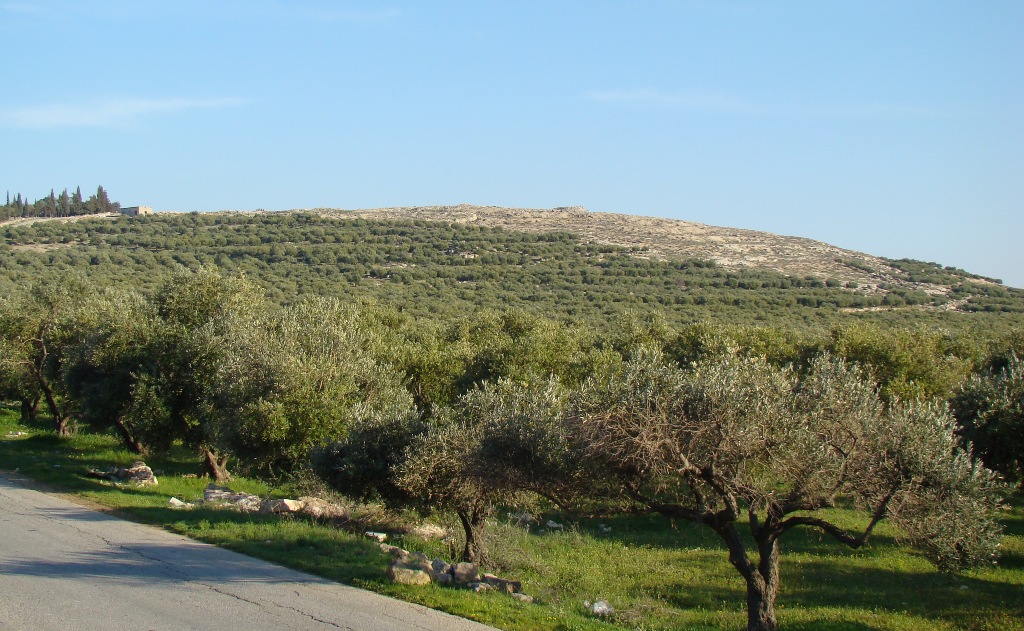
Our photo below illustrates the imagery of the Isaiah text, and was taken near biblical Sardis. Some workers, perhaps family members, have constructed a shelter in the field to have a place to rest and refresh themselves before getting back to work.

Booth in Vineyard Near Sardis. Illustrates Isa. 1:8. Photo ©Leon Mauldin.

Because of the idols which had filled the land of Israel (Isaiah 2:8), God was going to reduce the magnificent city of Zion, Jerusalem the fortress city, to a hut.

Click on image for larger view.


Not a Prophet or a Prophet’s Son

August 3, 2011

In our last post we introduced the prophet Amos of Tekoa. God sent him from Judah to Israel to cry out against the idolatry there, centered in such locations as Judah. A false prophet named Amaziah tried to intimidate Amos, and told him to go back home to Judah, i.e., we don’t need your kind of preaching here! Amos’ response:

14 Then Amos answered, and said to Amaziah: “I was no prophet, Nor was I a son of a prophet, But I was a sheepbreeder And a tender of sycamore fruit. 15 Then the LORD took me as I followed the flock, And the LORD said to me, ‘Go, prophesy to My people Israel.’ 16 Now therefore, hear the word of the LORD: You say, ‘Do not prophesy against Israel, And do not spout against the house of Isaac.’ 17 “Therefore thus says the LORD: ‘Your wife shall be a harlot in the city; Your sons and daughters shall fall by the sword; Your land shall be divided by survey line; You shall die in a defiled land; And Israel shall surely be led away captive From his own land.'” (Amos 7:14-17).

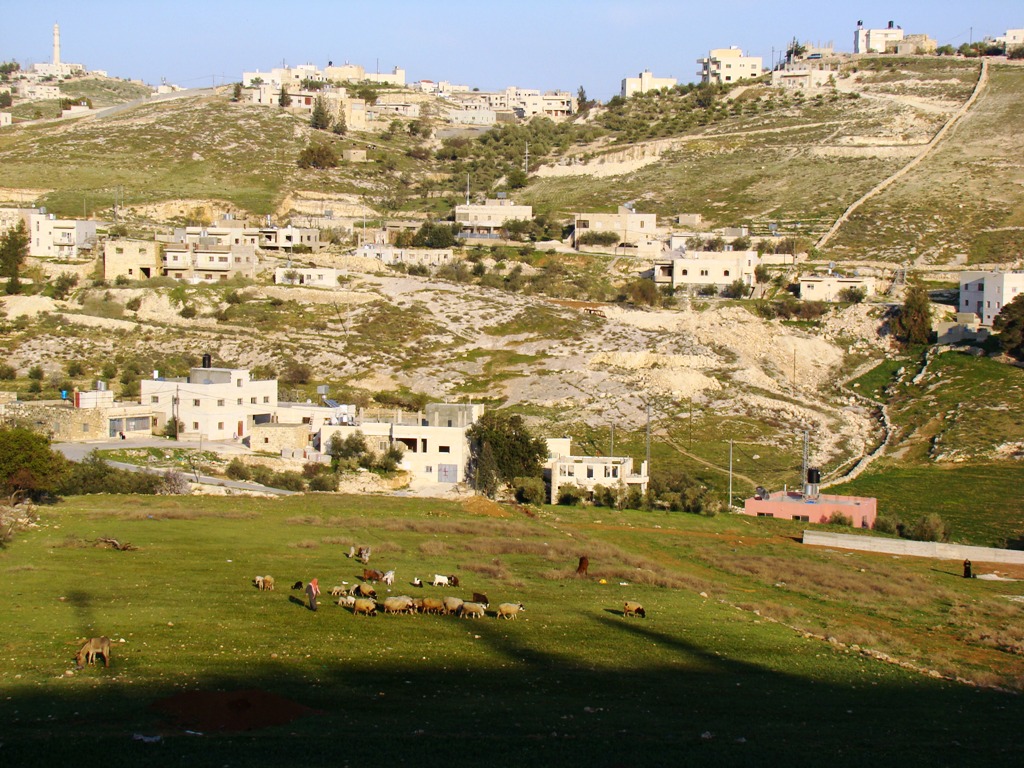
Our photo below was taken on the road between Tekoa and Bethlehem. You can see the sheep in the distance, which illustrate the kind of work Amos would have done in this general area before being called to the prophetic office.

Sheep near Tekoa. Amos was a sheepherder. Photo by Leon Mauldin.

Note also that Amos said that he was a “tender of sycamore fruit” (NASB: “a grower of sycamore figs” and NET: “I was a herdsman who also took care of sycamore fig trees”). Below is a photo of the biblical sycamore tree.

Sycamore tree, which produces figs. Amos tended trees like this. Photo by Leon Mauldin.

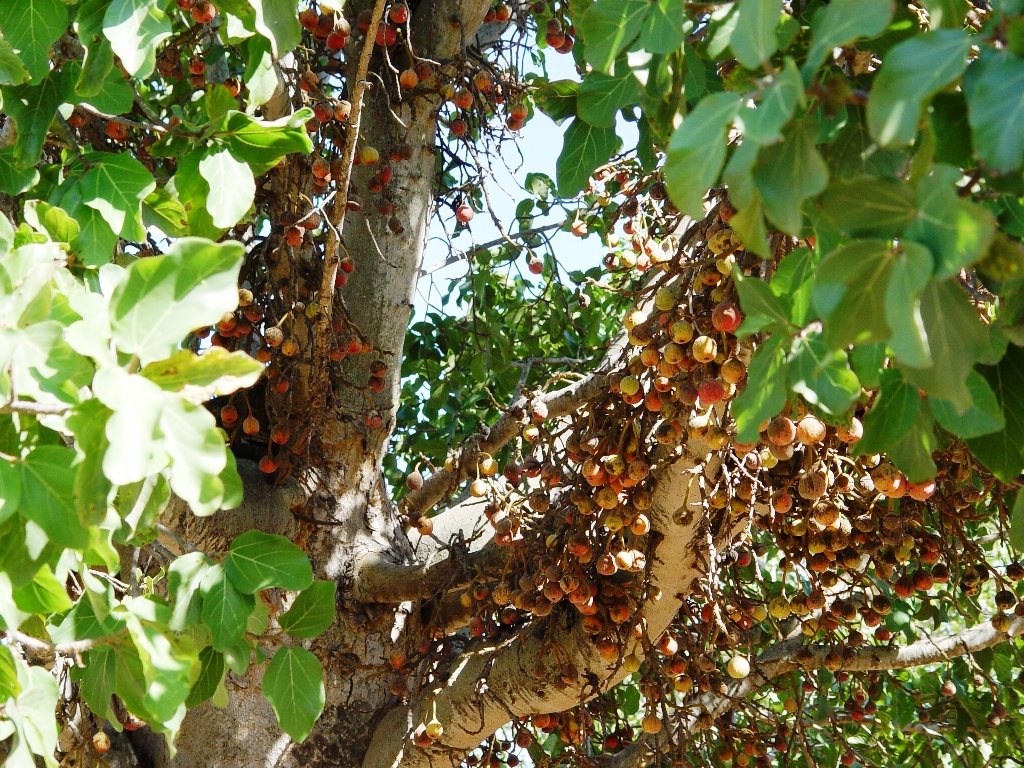
Here is a close up of the fruit. The sycamore fig is inferior to the fig produced by the fig tree, and was eaten by the poorer people of the land.

Close-up of sycamore figs. Photo by Leon Mauldin.

*******

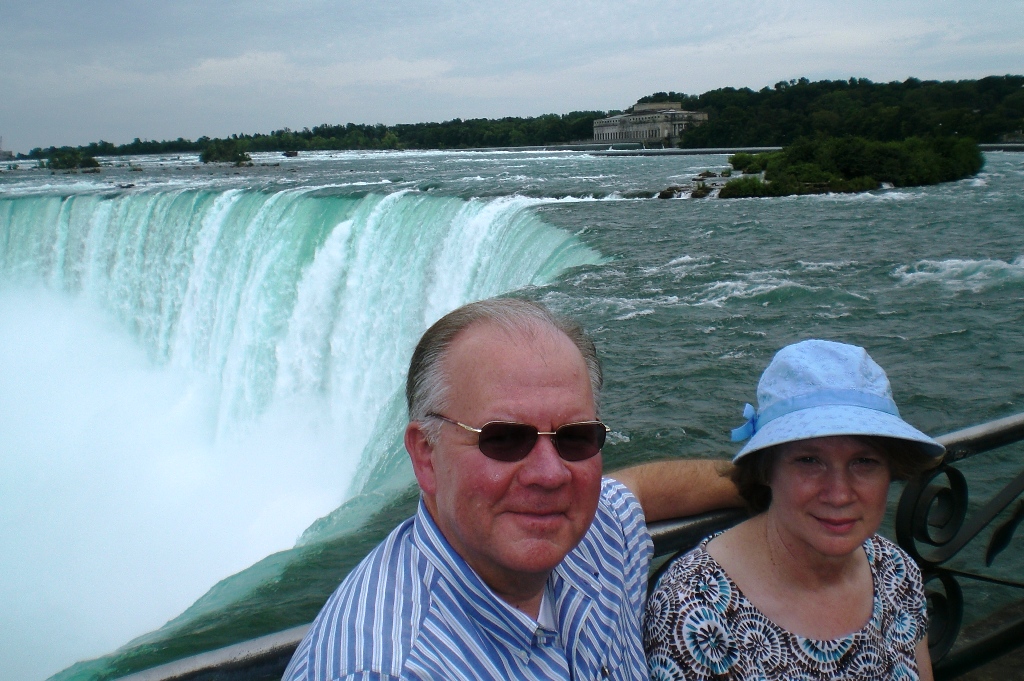
A pleasant surprise: our friends John and Lisa Hains of Jordan, Ontario, invited us to spend the night in their home (when our Sudbury meeting concluded) and then get us to the Toronto airport for our flight home (to “Sweet Home Alabama”). John met us when I turned in our rental car at Toronto, and en route to his home took Linda & me to see Niagara Falls, which was our first time to do so. The Falls are only about 20-25 minutes away from his house.  John took this photo.

Leon & Linda at Niagara Falls. Photo by John Hains.

 Click on images for higher resolution.


Amos of Tekoa

August 2, 2011

The prophet Amos begins his biblical book, “The words of Amos, who was among the sheepbreeders of Tekoa, which he saw concerning Israel in the days of Uzziah king of Judah, and in the days of Jeroboam the son of Joash, king of Israel, two years before the earthquake” (Amos 1:1). Tekoa is just south of Bethlehem.

Tekoa. Home of the prophet Amos. Map by bibleatlas.com

 This rustic southern prophet was sent by God to the northern kingdom of Israel to cry out against the idolatrous shrines there. More to come, but for now a photo of Tekoa, Amos’ home.

Site of Tekoa, home of Amos the Prophet. Photo by Leon Mauldin.

 **********

It has been great to be in Sudbury again. I presented seven lessons in this Fri.-Mon. series. We are heading for home today.


Citadel of David

July 16, 2011

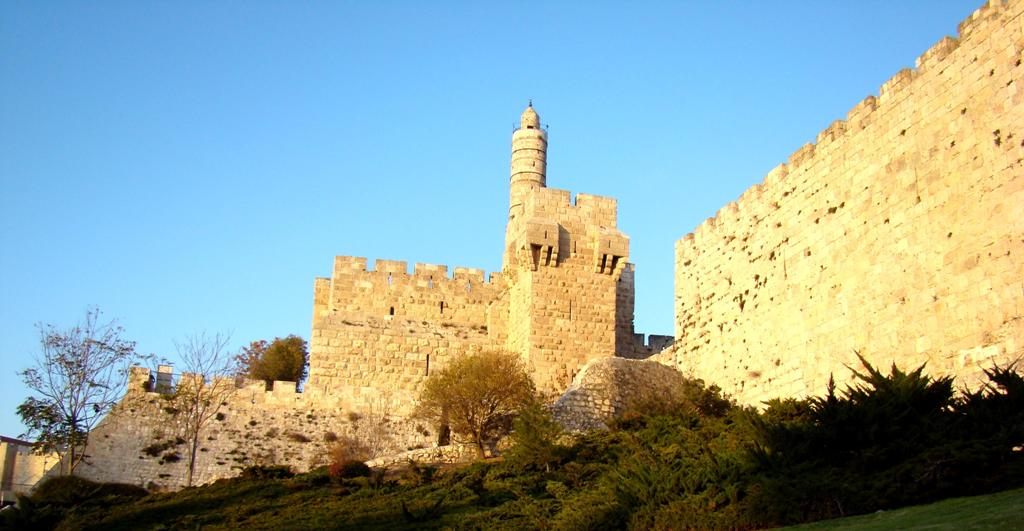
The Citadel of David is located near the Jaffa Gate on Jerusalem’s western wall.

Citadel of David, located at Jerusalem's Western Wall near Jaffa Gate. Photo by Leon Mauldin.

The site, www.jewishvirtuallibrary.org has this helpful info:

The citadel of Jerusalem, known as the “Tower of David,” has been a landmark of the city since ancient times. . .Its location was chosen for topographic reasons – this is the highest point of the southwestern hill of Jerusalem, higher than any other point in the ancient city, including the Temple Mount. A series of fortifications built here in the course of more than twenty centuries, protected Jerusalem from the west and also overlooked and controlled the entire city.

A first archeological survey of the citadel, and excavations, were conducted between 1934 and 1947. Renewed excavations were undertaken after the reunification of the city, between the years 1968 and 1988, preparing the opening of the site to visitors.

Every period has left its mark and has been identified in the assemblage of architectural remains. In the citadel’s foundations are buried the remains of Jerusalem’s fortifications from the end of the monarchic period (8th to 6th centuries BCE) through the early Arab period (seventh to eleventh centuries). The outline of the citadel known today is from the Crusader period; the citadel itself was built in the mid-16th century by the Ottoman sultan Suleiman the Magnificent, and incorporates the remains of earlier citadels dating from Ayyubid and  Mamluk times.

The Citadel is protected by a high wall and large towers, and it is surrounded by a wide, deep moat, part of which was blocked in modern times. The entrance is from the east, via an outer gate, a bridge over the moat and a fortified inner gate house.

Click on image for higher resolution.


Sacred Lake at Karnak

July 5, 2011

Biblical Thebes (Ezekiel 30:14-16) is identified with Luxor, Egypt. Karnak was a vast temple complex dedicated primarily to the god Amun.

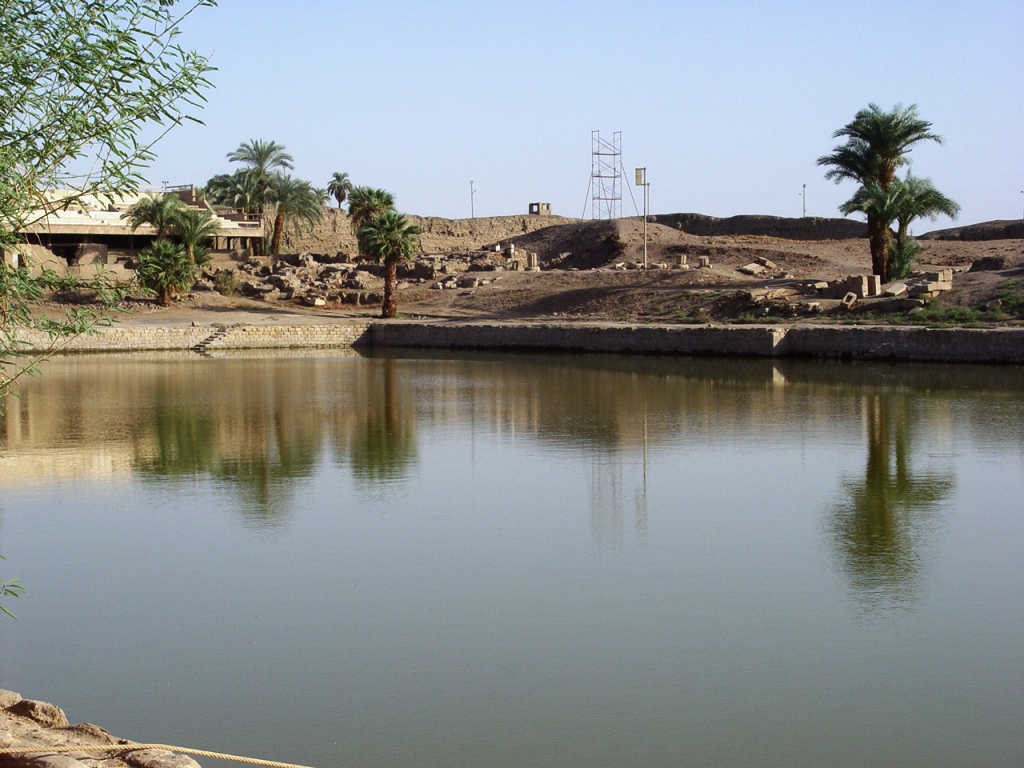
Our photo shows the sacred lake of the Karnak Temple.

Sacred Lake at Karnak Temple. Photo ©Leon Mauldin.

Todd Bolen writes:

Every Egyptian temple had a sacred lake, and the one at Karnak Temple was the largest. Used daily by the priests for purification, the sacred lake was also used in festivals during which images of the gods would travel across the lake in boats. The lake measures 130 x 77 meters and was surrounded by storerooms and homes of the priests.

Our view here of the sacred lake is to the southwest.

Click on image for larger view.


The Biblical Winepress

June 28, 2011

One of our readers asked about either artwork or archaeological dig of a winepress in order to help visualize the situation described in the account of Gideon: “The LORD’s angelic messenger came and sat down under the oak tree in Ophrah owned by Joash the Abiezrite. He arrived while Joash’s son Gideon was threshing wheat in a winepress so he could hide it from the Midianites” (Judges 6:11, NET).

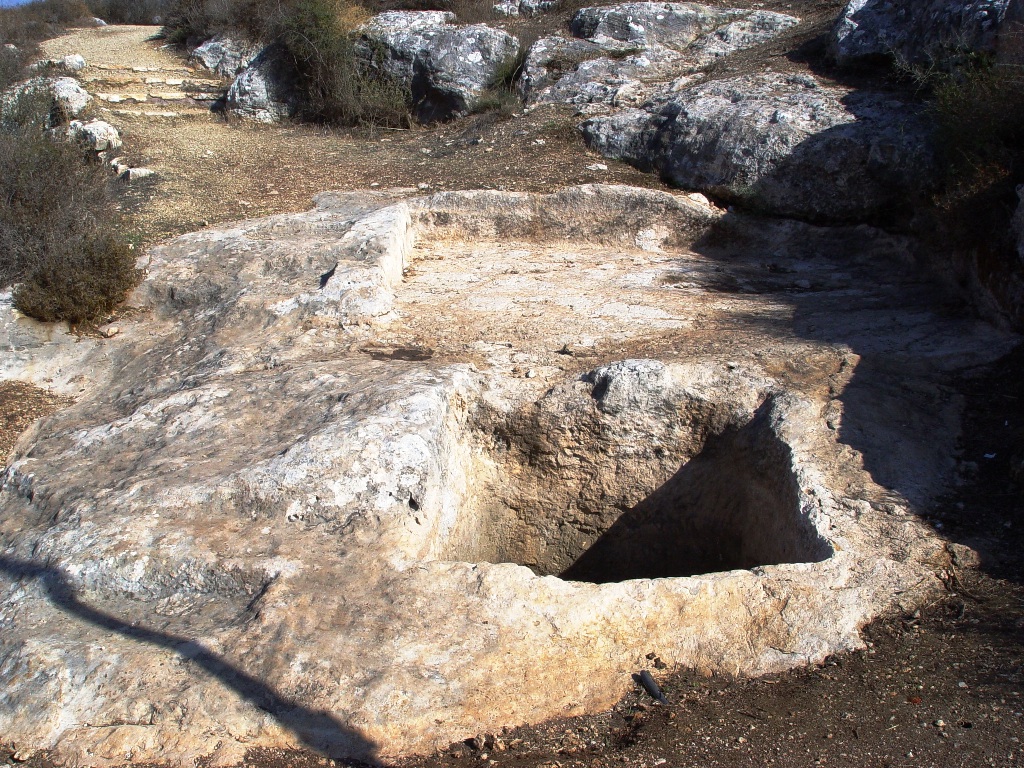
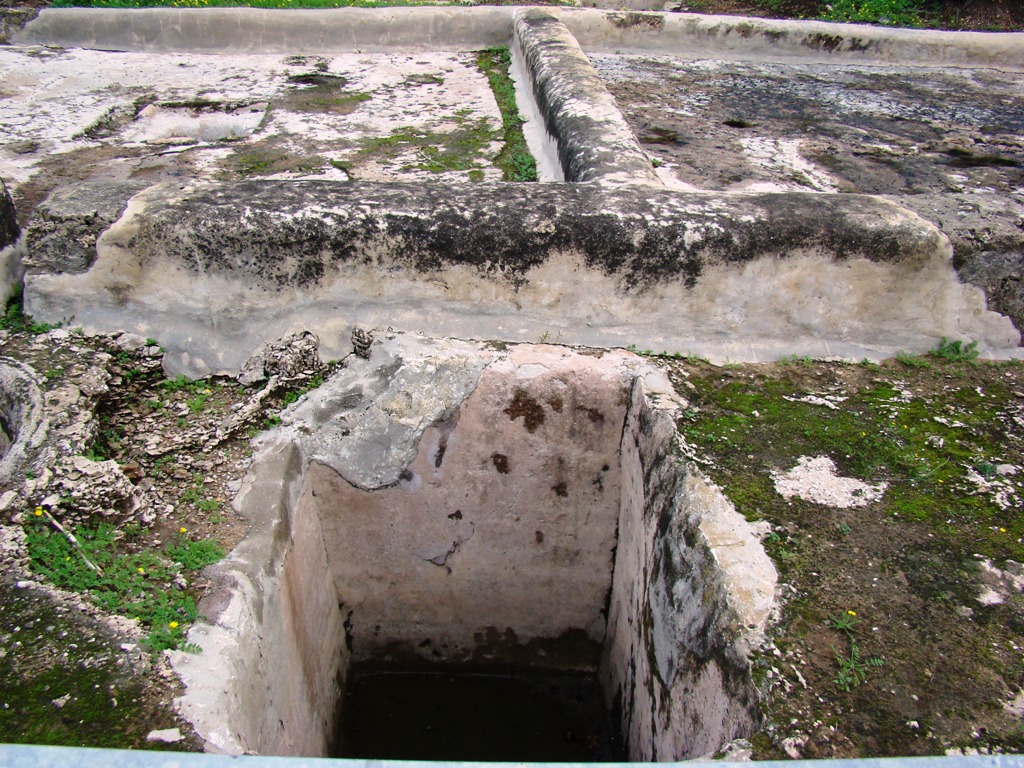
At Neot Kedumim there is a good example of a biblical winepress.

A Winepress at Neot Kedumim. Photo ©Leon Mauldin.

Neot Kedumim, the Biblical Landscape Reserve in Israel, is located halfway between Jerusalem and Tel Aviv. This unique recreation of the physical setting of the Bible in all its depth and detail allows visitors to see life as it was lived by our ancestors 3,000 years ago. More than a “garden” showing various plants, Neot Kedumim embodies the panorama and power of the landscapes which shaped the values of the Bible and provided the rich vocabulary for expressing those values. (http://www.neot-kedumim.org.il/)

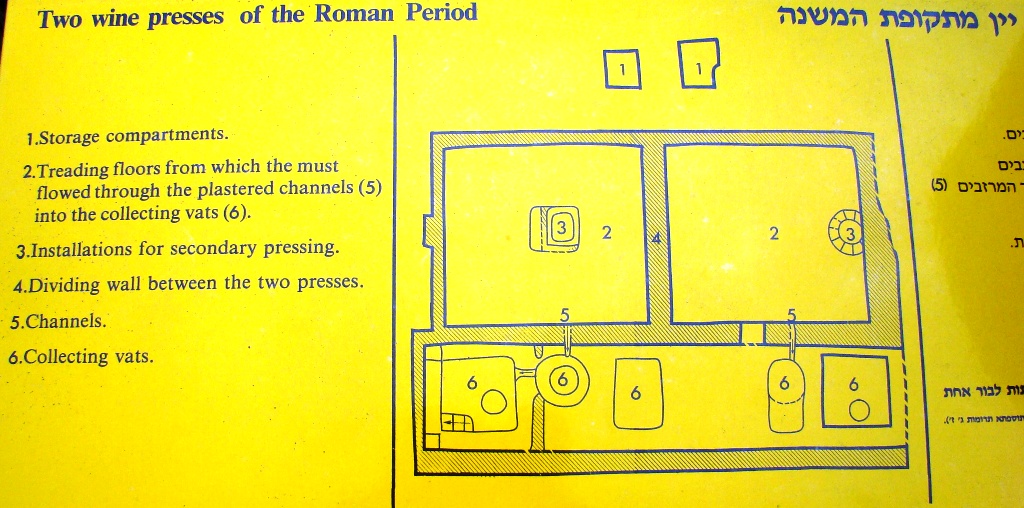
There is also a winepress at Tel Qasile, which dates back to Roman times. Here is a diagram:

Diagram for winepress at Tel Qasile. Photo ©Leon Mauldin.

Here is a photo of the winepress:

Winepress at Tel Qasile. Dates back to Roman times. Photo ©Leon Mauldin.

Though this would be much later than the period of the Judges it is still helpful for illustration purposes.

Click on images for larger view.


David’s Mighty Men

June 14, 2011

It would seem that much of the material in 2 Sam. 23:8ff. is “appendix” kind of information, supplemental to the narrative that has preceded it. v. 13 reads, “Then three of the thirty chief men went down at harvest time and came to David at the cave of Adullam. And the troop of Philistines encamped in the Valley of Rephaim.” It would seem that this incident occurred early in David’s reign, and is to be identified with one of the two campaigns of Israel vs the Philistines recorded in 2 Sam. 5:17-25.

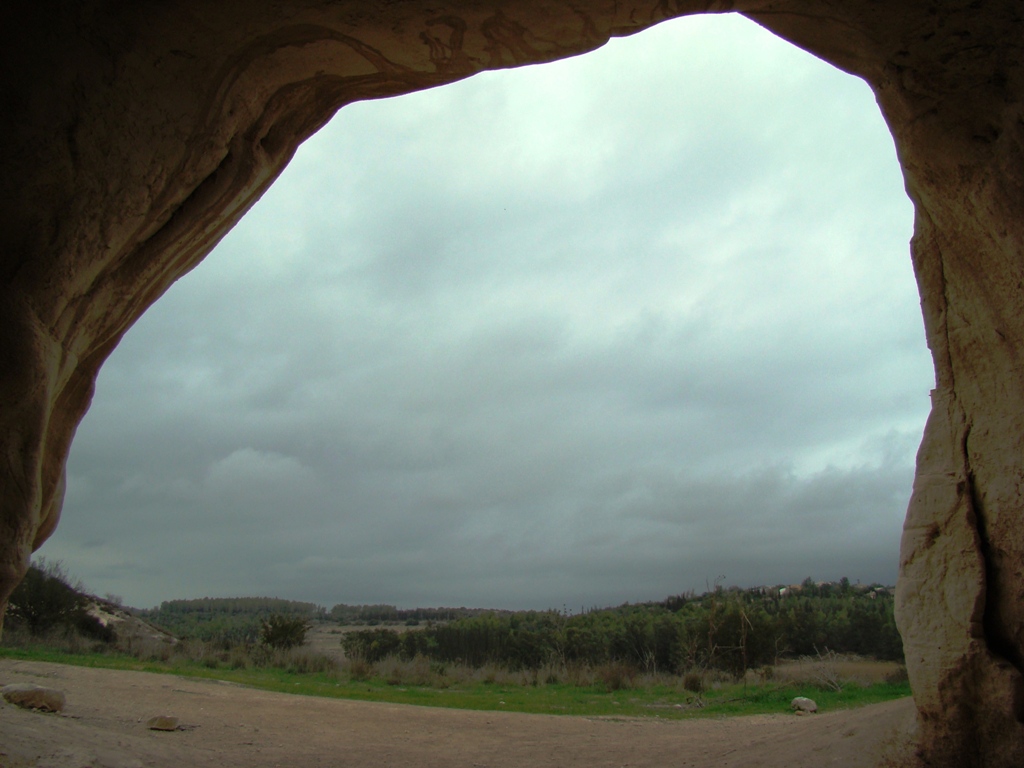
Looking out through entrance of a cave in Adulum Grove National Park. Photo ©Leon Mauldin.

At this time referenced in 2 Sam. 23, a garrison of Philistines was in Bethlehem (v.14). “And David said longingly, ‘Oh, that someone would give me water to drink from the well of Bethlehem that is by the gate!'” (v.15, ESV).

Bob Waldron writes, “David made an offhand remark how he would love a drink of water from the well of Bethlehem by the gate. He did not dream that anyone would take his wish as a command and go get water for him.”

But go they did. “So the three elite warriors broke through the Philistine forces and drew some water from the cistern in Bethlehem near the gate. They carried it back to David, but he refused to drink it. He poured it out as a drink offering to the LORD” (v.16, NET).

The word rendered “broke” is baqa, which means to cleave, divide; to break or lay open. Waldron writes,

They fought their way, killing every Philistine who tried to stop them, until they got to the well. Drawing the water, they fought their way out, and made their way back to David and gave him the drink of water he longed for. We admire the love of these three men for David, and their devotion to him that made his wish their command.

The 2 Sam. texts shows that David was so moved by the devotion of these men that “he would not drink it, but poured it out to the Lord” (v.16). Again, Waldron observes,

David felt that is would be sacrilege before the Lord to drink water purchased at the risk of his men’s lives. He felt that it was essentially the blood of his men since they had hazarded their lives to get him the water. The only thing he could do with the water that would be worthy of the price paid for it was to give it to the Lord, so he poured it out as a solemn drink offering to God.

Lesson: All these men cared about was David. It was enough to know what he wanted, and they were willing to die to make it happen. Is Jesus worthy of any less love and loyalty?

Our photo above looks out through the entrance of a cave at Adulum Grove National Park. Click on image for larger view. Quotes from my friend Bob Waldron are from his commentary on 1-2 Samuel in the Truth Commentary series.


Columbarium Caves

June 13, 2011

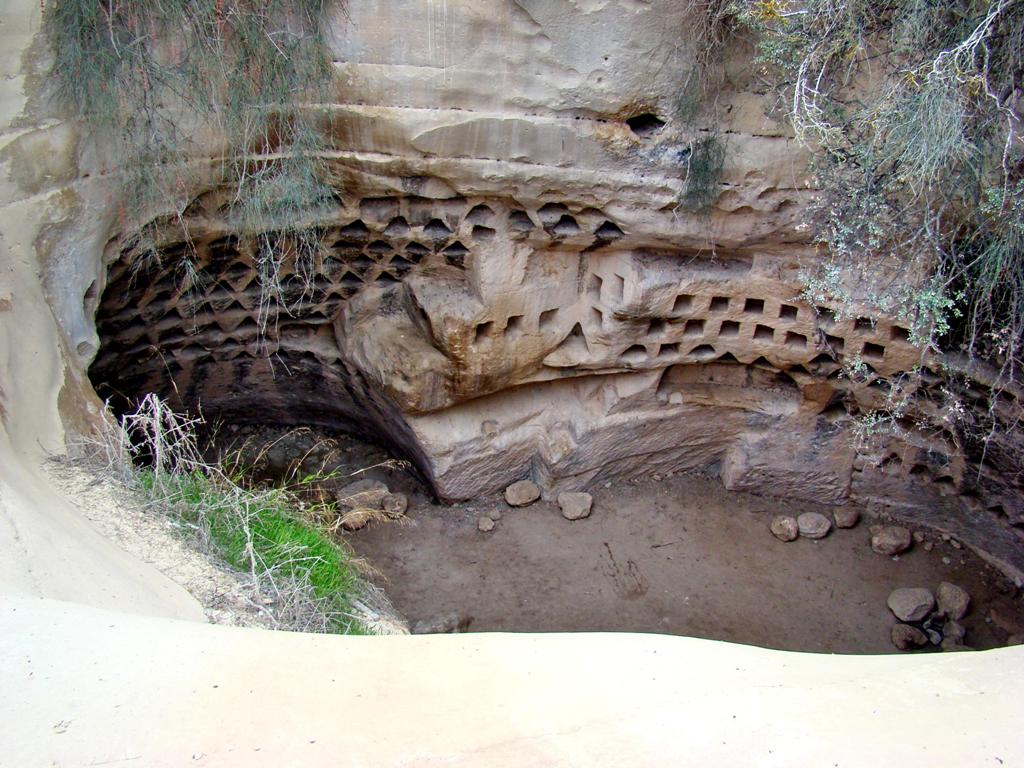
In the biblical lowlands of Judea, the Shephelah, there are numbers caves. Some of these were used for raising doves. The Midras ruins, where our photo below was taken, are located in the Adulum Grove Nature Reserve.

Columbarium at Midras Ruins, Adulum Grove National Park in Southern Israel. Photo ©Leon Mauldin.

On site there is a sign with the following info:

Columbarium means dovecote in Greek. Hundreds of caves of this type were found in the Judean lowlands, usually in the vicinity of ancient settlements. Dozens of small niches of various sizes, ranging in depth from 15 to 25 cm, were carved into the wall of the columbarium. Scholars believe that doves were raised in these niches for food, and to use their dung as fertilizer. The doves may also have been used for ritual purposes. The raising of doves was apparently a significant part of the economy of the Judean lowlands during the Hellenistic and Roman periods.

This area would be the general context for 2 Sam. 23, an event during the life of David: “And three of the thirty chief men went down and came about harvest time to David at the cave of Adullam, when a band of Philistines was encamped in the Valley of Rephaim”(v.13).


Beersheba

June 8, 2011

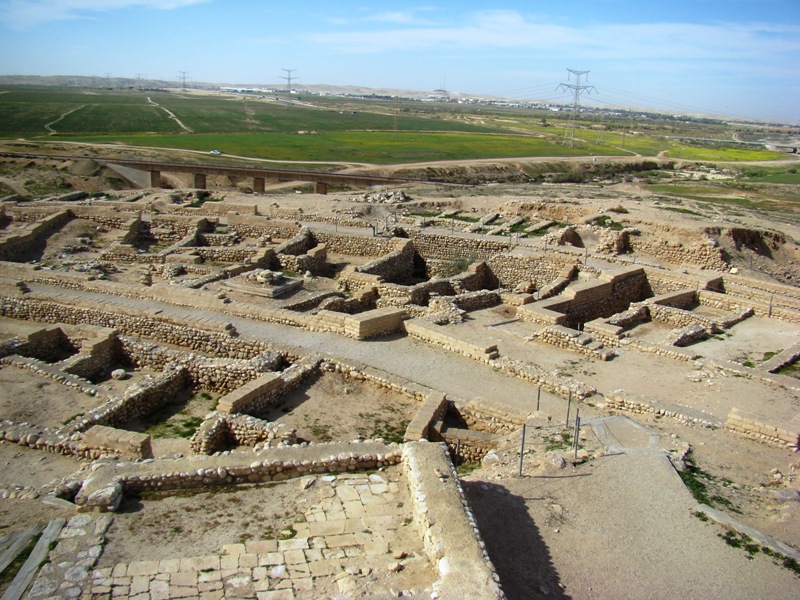
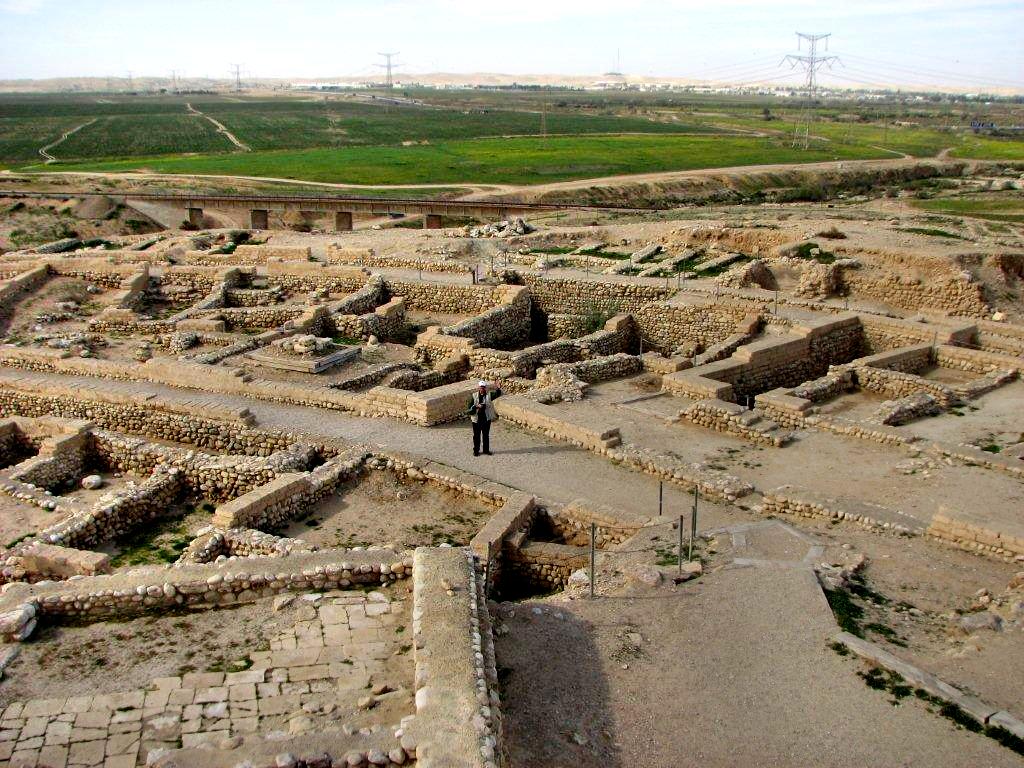
As I make use of photos of Bible places in teaching/preaching and writing, I tend to select shots of the biblical sites themselves without people (whenever possible). For example, this photo shows Beersheba of the Negev, home of the patriarchs and later designated as the southernmost border of Israel.

Beersheba, southernmost city of Israel. Photo ©Leon Mauldin.

Sometimes, however, it is helpful to have someone(s) in the photo to give a sense of scale and proportion.

Beersheba w/Mauldin in photo center. Gives sense of proportion. Photo by Sandy Parker.

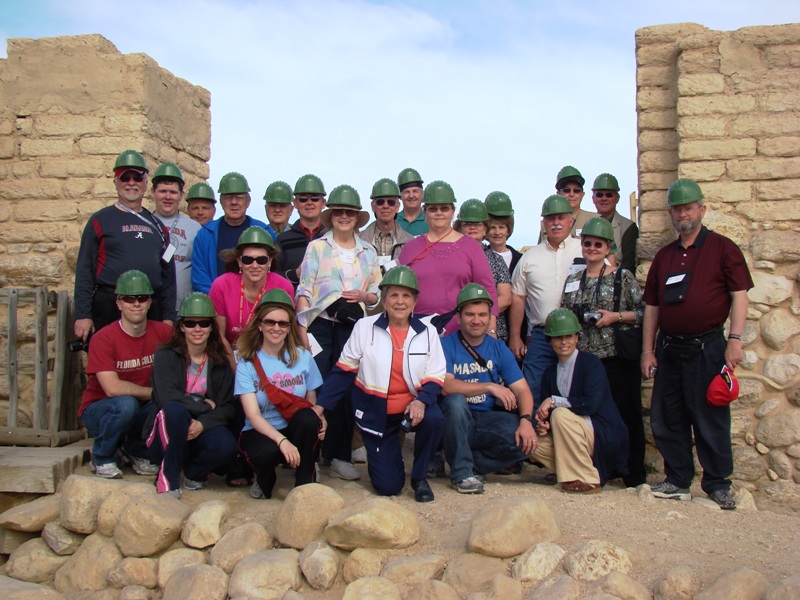
While visiting Beersheba (Tel Sheva) in March ’11, we took a group shot. Hardhats are required for one to walk through Beersheba’s water system. This photo was taken at the city’s gate.

Beersheba. Group shot at City Gate. Photo ©Leon Mauldin.

Now I wouldn’t say that my group was hard-headed, but they were in fact hard-hatted 🙂

Click on images for larger view. Previous posts of Beersheba may be found here and here.

I am enjoying the meeting with the Kimberly church of Christ, speaking there each night at 7:30 through Fri.


Gods of Egypt: Imhotep

June 4, 2011

In previous posts we have noted that the plagues of Egypt in Exodus were judgments against the gods of Egypt (Exodus 6:6; 12:12). See here and here.

In the plagues God was showing that the false gods were impotent and that Yahweh alone was the true and living God.

In some of the plagues it is possible that more than one Egyptian god may have been targeted. Some scholars believe that Imhotep, the god of medicine, was shown to be powerless with such plagues as the boils.

Imhotep, god of medicine. Brooklyn Museum. Photo by Leon Mauldin.

Imhotep, the polymath and architect of genius employed by Djoser, was deified soon after his death. Imhotep and Amenophis-sa-Hapu, who was Amenophis III’s architect, became a popular pair of gods for the everyday cares of the man in the street, especially in the field of medicine. In common with Thoth, Imhotep became the special tutelary god of scribes and learned men. The Greeks equated him with Asclepius (Egypt, Phaidon, 403-404).

Tomorrow morning I am to begin a 6-Day meeting at Kimberly, north of Birmingham, AL.