Mount Ebal

August 13, 2013

The first mention of Mount Ebal is Deuteronomy 11:29: “Now it shall be, when the LORD your God has brought you into the land which you go to possess, that you shall put the blessing on Mount Gerizim and the curse on Mount Ebal.”

More instructions were to follow in Deut. 27. When Israel crossed over to receive the promised land of Canaan, they were to go to Mount Gerizim and Mount Ebal, which are situated opposite each other, with Shechem in between. Six tribes were to stand on Mount Gerizim (representing the blessings of the law, conditioned upon obedience), and the other six on Mount Ebal (representing the curses/punishment resultant from disobedience).

Joshua 8 shows Israel’s compliance with God’s instructions. The Levites and Joshua were positioned at Shechem. There all the blessings and curses of the law were read, and all the people shouted, “Amen.”

It is significant that Shechem is where childless Abraham stood when God promised Canaan to his descendants (Genesis 12:6,7). Now his descendants, the nation of Israel, were there to receive the promise, to stake their claim to the land. But more was involved than their receiving the land–it was based on their covenant relationship with their God.

Our photo shows Mount Ebal, the mount of cursing. You will notice how barren it is; very little grows there.
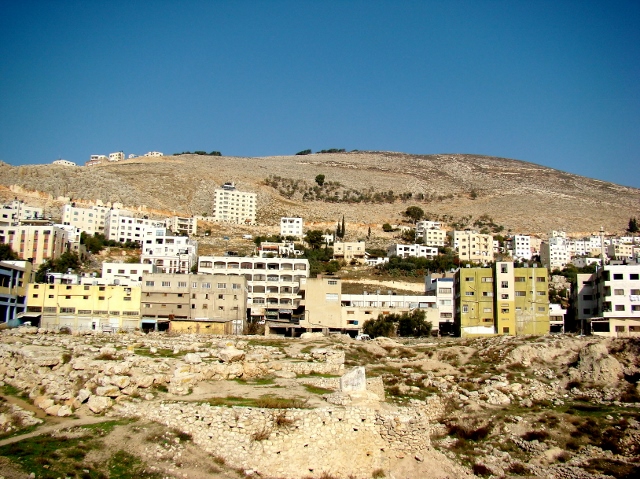
Mount Ebal, the mount of cursing. Six tribes ascended here in Josh. 8.

Mt Ebal, the mount of cursing. 6 tribes ascended here in Josh. 8. Photo: Leon Mauldin.

In the foreground you can see the ruins of ancient Shechem. Click image for larger view.


Dor on the Coastal Plain

August 13, 2013

I’ve been enjoying my Holman Bible Atlas on my Kindle Fire by Thomas V. Brisco. In his section on “Regions and Subdivisions” in the land of Israel he looks at the four major longitudinal zones that are characteristic of the  land, the first of which is the coastal plain. He includes a brief mention of the plain of Dor. “One of the most important harbors of Palestine, Dor gave the plain a strategic importance.”

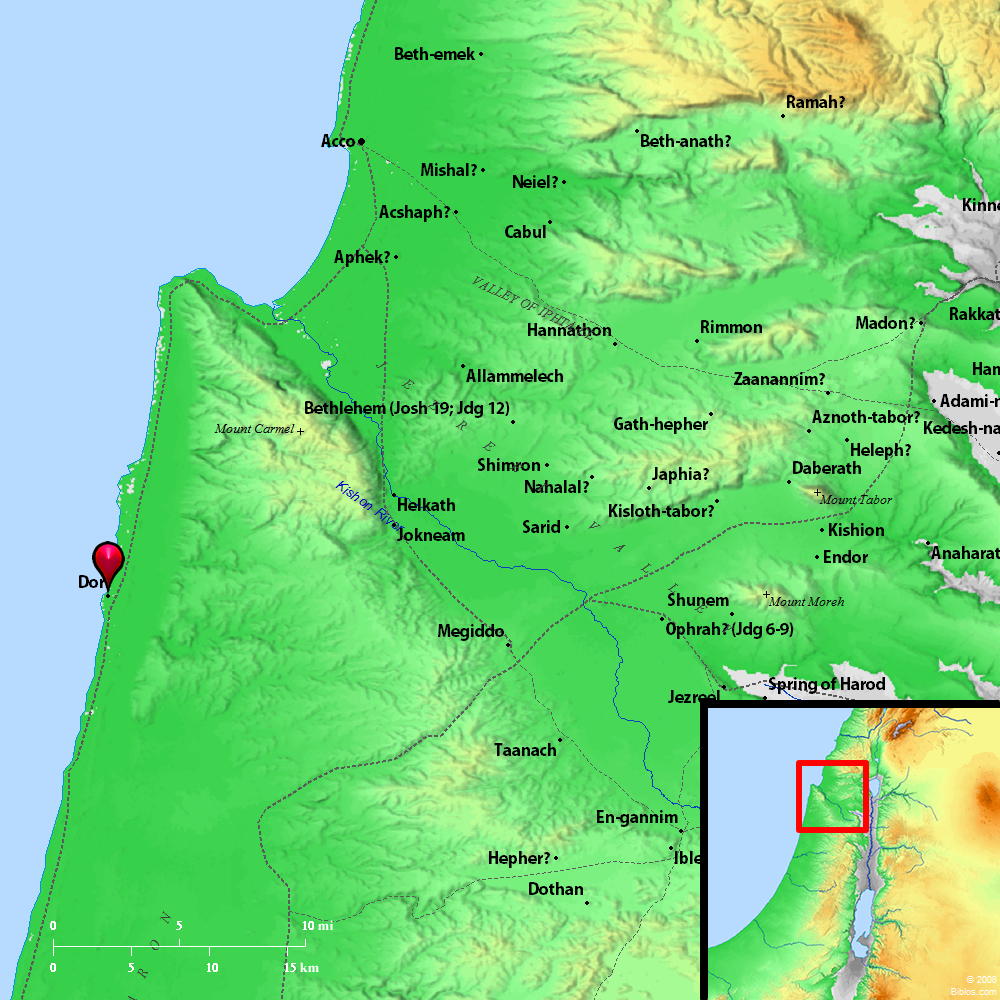
This map shows the location of Dor, the harbor city and the plain running north and south and for a short distance to the east.

Dor, an important harbor in ancient Israel. Map by Bibleatlas.com.

Dor, an important harbor in ancient Israel. Map by Bibleatlas.com.

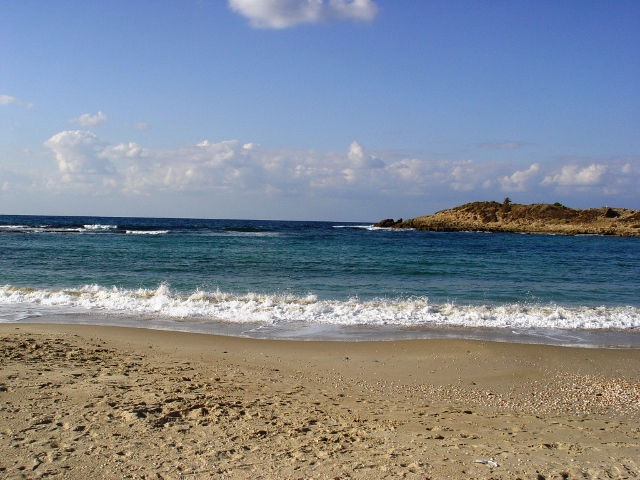
Here is a view of the harbor.

Harbor of Dor on Coast of Israel. Photo by Leon Mauldin.

Harbor of Dor on Coast of Israel. Photo by Leon Mauldin.

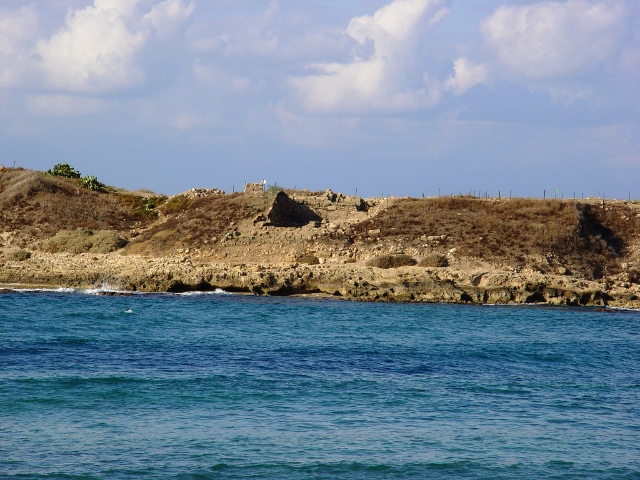
Here you can see some of the excavations (from a distance) at the city of Dor.

Excavations at Dor. Photo by Leon Mauldin.

Excavations at Dor. Photo by Leon Mauldin.

We previously posted on Dor here.

Click on images for larger view.


Like Trees Planted Along a Riverbank

June 12, 2013

Our previous couple of posts illustrated the barrenness of a life without God, a life where God has been displaced with idolatry. The Old Testament often set forth the principle that disobedience results in divine punishment, whereas blessings are upon the obedient. Jeremiah places these concepts back to back. The “shrub in the desert” is contrasted with “trees planted along a riverbank.

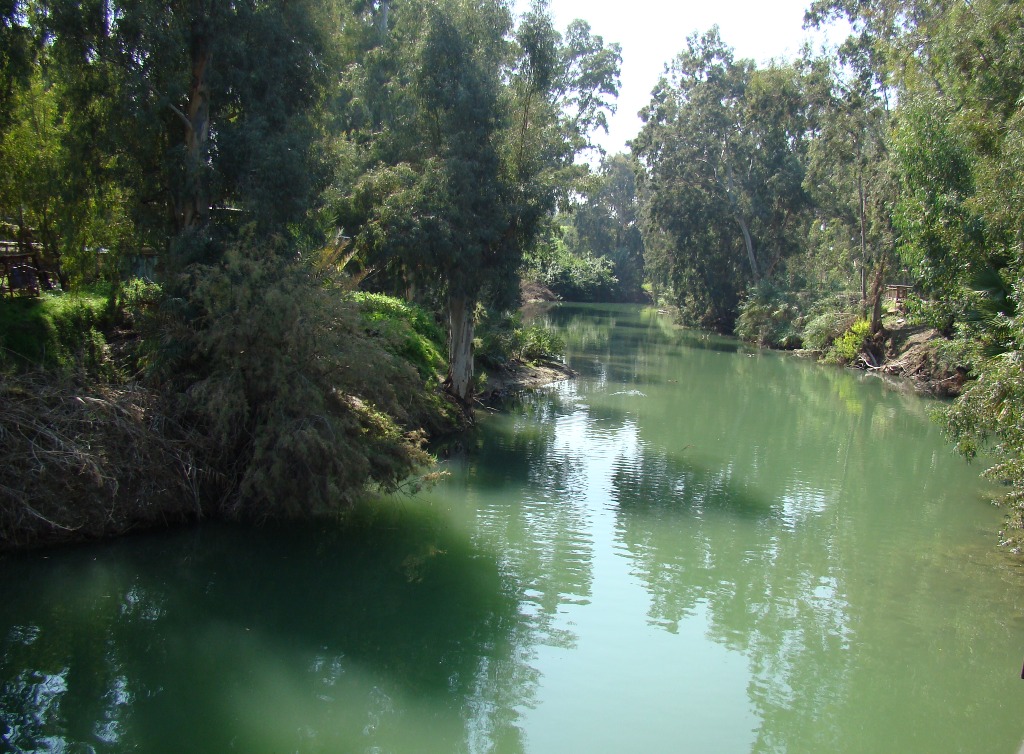
Trees growing along the banks of Jordan. Photo by Leon Mauldin.

Trees growing along the banks of Jordan. Photo by Leon Mauldin.

But blessed are those who trust in the LORD and have made the LORD their hope and confidence. They are like trees planted along a riverbank, with roots that reach deep into the water. Such trees are not bothered by the heat or worried by long months of drought. Their leaves stay green, and they never stop producing fruit (Jer. 17:7,8).

That is a wonderful word picture. A fruitful, blessed life, resulting from right relationship with the One from whom all blessings flow.

Click on image for larger view.


A Shrub in the Desert (cont’d.)

June 10, 2013

We recently referenced Jeremiah 17:6-7, which refers to the consequences of a life which displaces God for idolatry, human wisdom (or anything else):

Thus says the LORD, “Cursed is the man who trusts in mankind And makes flesh his strength, And whose heart turns away from the LORD. For he will be like a bush in the desert And will not see when prosperity comes, But will live in stony wastes in the wilderness, A land of salt without inhabitant.”

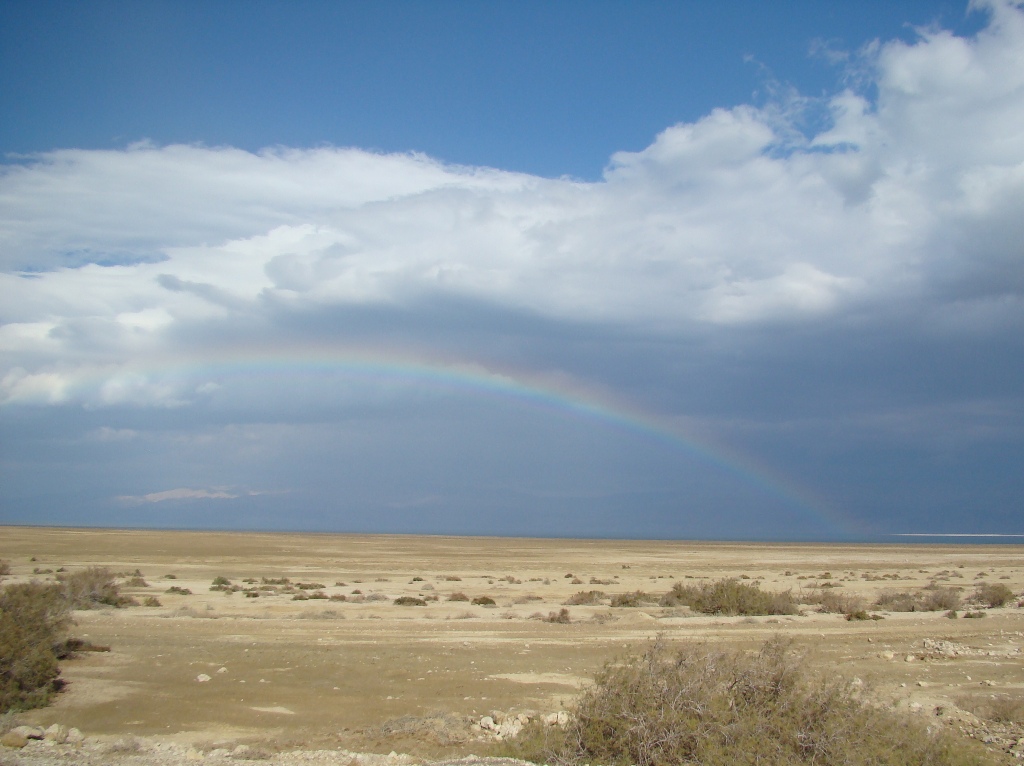
This passage reminded me of the bushes you can see along the Dead Sea area, a site that would certainly qualify as a land of salt without inhabitant.

Shrubs at Dead Sea. Photo by Leon Mauldin.

Shrubs at Dead Sea. Photo by Leon Mauldin.

This is certainly a “land of salt” as you view this area where the Dead Sea has receded. On right of photo you can see some glimmer on the Sea. Also in this photo I captured a rainbow. (It’s not everyday you see a rainbow over the Dead Sea!)

Again, the point of the text is how barren and how fruitless is a life which is not attuned to God and the doing of His will!

Click on image for larger view.


Like a Shrub in the Desert

June 5, 2013

The captivity prophet Jeremiah said, “The sin of Judah is written down with an iron stylus; With a diamond point it is engraved upon the tablet of their heart, And on the horns of their altars” (17:1), and went on to describe the idolatry that permeated the land. The result, as predicted by Moses, was to be under the curse of God (cf. Deut. 28:15-68).

Thus says the LORD, “Cursed is the man who trusts in mankind And makes flesh his strength, And whose heart turns away from the LORD. For he will be like a bush in the desert And will not see when prosperity comes, But will live in stony wastes in the wilderness, A land of salt without inhabitant” (Jer. 17:6,7).

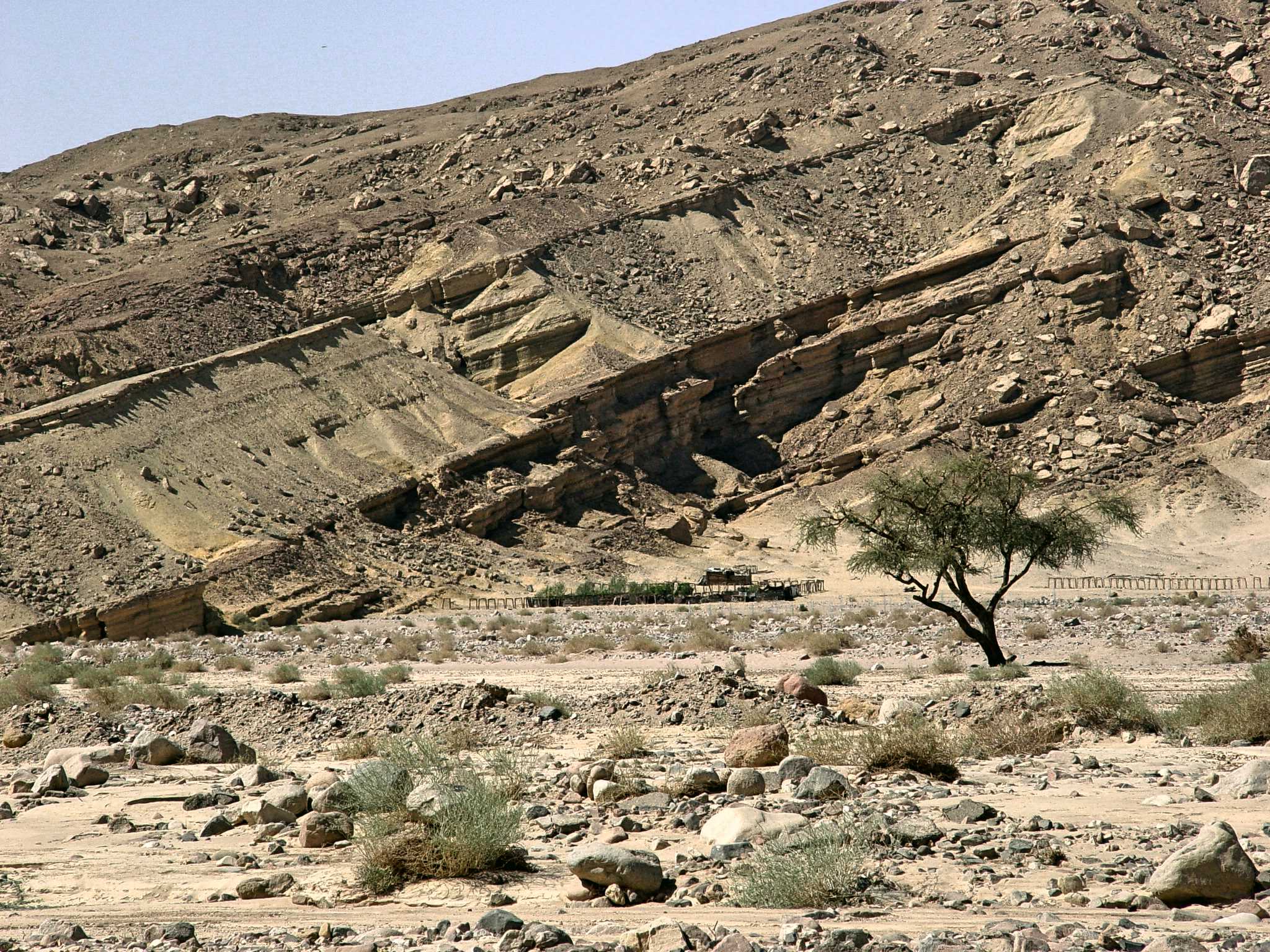
Many areas of biblical lands would illustrate the point in the text, of a bush or tree in a dry desert area. This photo was taken in the wilderness of Sinai.

Shrubs in the Desert of Sinai. Photo by Leon Mauldin.

Shrubs in the Desert of Sinai. Photo by Leon Mauldin.

Scene such as this would surely depict a barren and fruitless life.

Click on image for larger view.


Straw in the Bricks

February 7, 2013

Recently I was reading the text of Exodus 5 which tells of Pharaoh’s initial reaction to Moses’ request that Israel be permitted to journey into the wilderness to worship Yahweh:

That same day Pharaoh commanded the slave masters and foremen who were over the people: 7 “You must no longer give straw to the people for making bricks as before. Let them go and collect straw for themselves. 8 But you must require of them the same quota of bricks that they were making before. Do not reduce it, for they are slackers. That is why they are crying, ‘Let us go sacrifice to our God.’ 9 Make the work harder for the men so they will keep at it and pay no attention to lying words!” (Ex. 5:6-9). 

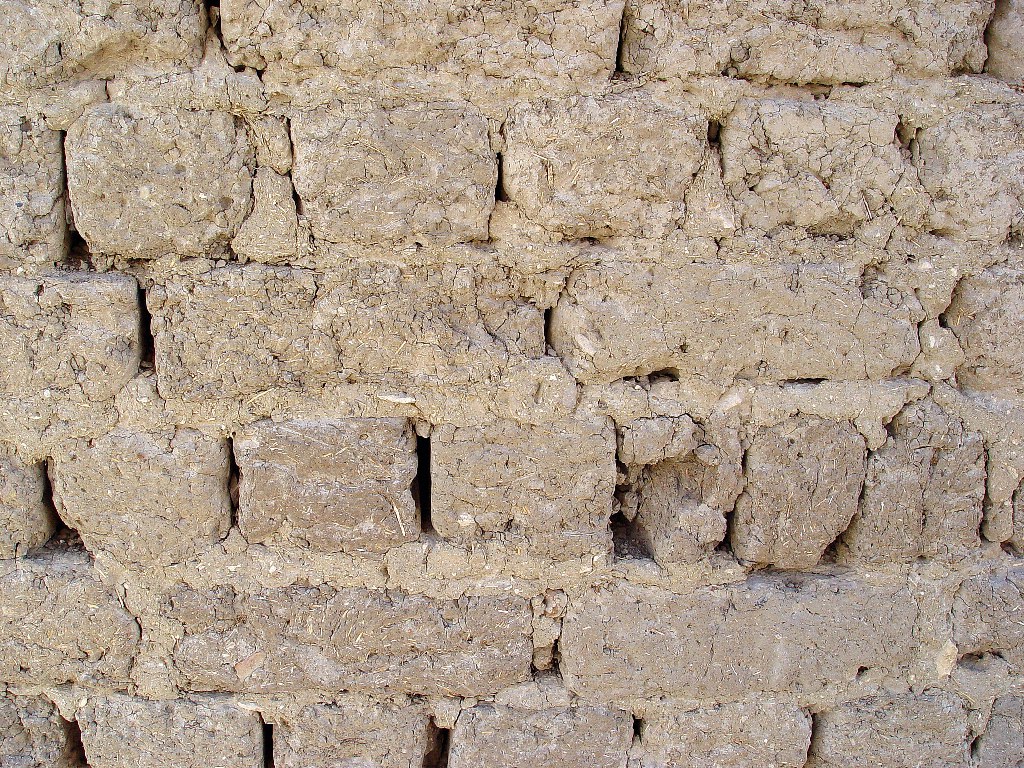
That put me in mind of some bricks I saw in Egypt at Luxor. In these mud bricks you could clearly see light-colored bits of straw.

Bricks made of mud mixed with straw in Luxor, Egypt. Photo by Leon Mauldin.

Bricks made of mud mixed with straw in Luxor, Egypt. Photo by Leon Mauldin.

W. C. Kaiser writes, “Chopped straw was mixed in with the clay to make the bricks more pliable and stronger by first binding the clay together and then by decaying and releasing a humic acid similar to glutamic or gallotanic acid” (The Expositor’s Bible Commentary, Volume 2, p. 337).

Click on image for larger view.


Joppa

October 24, 2012

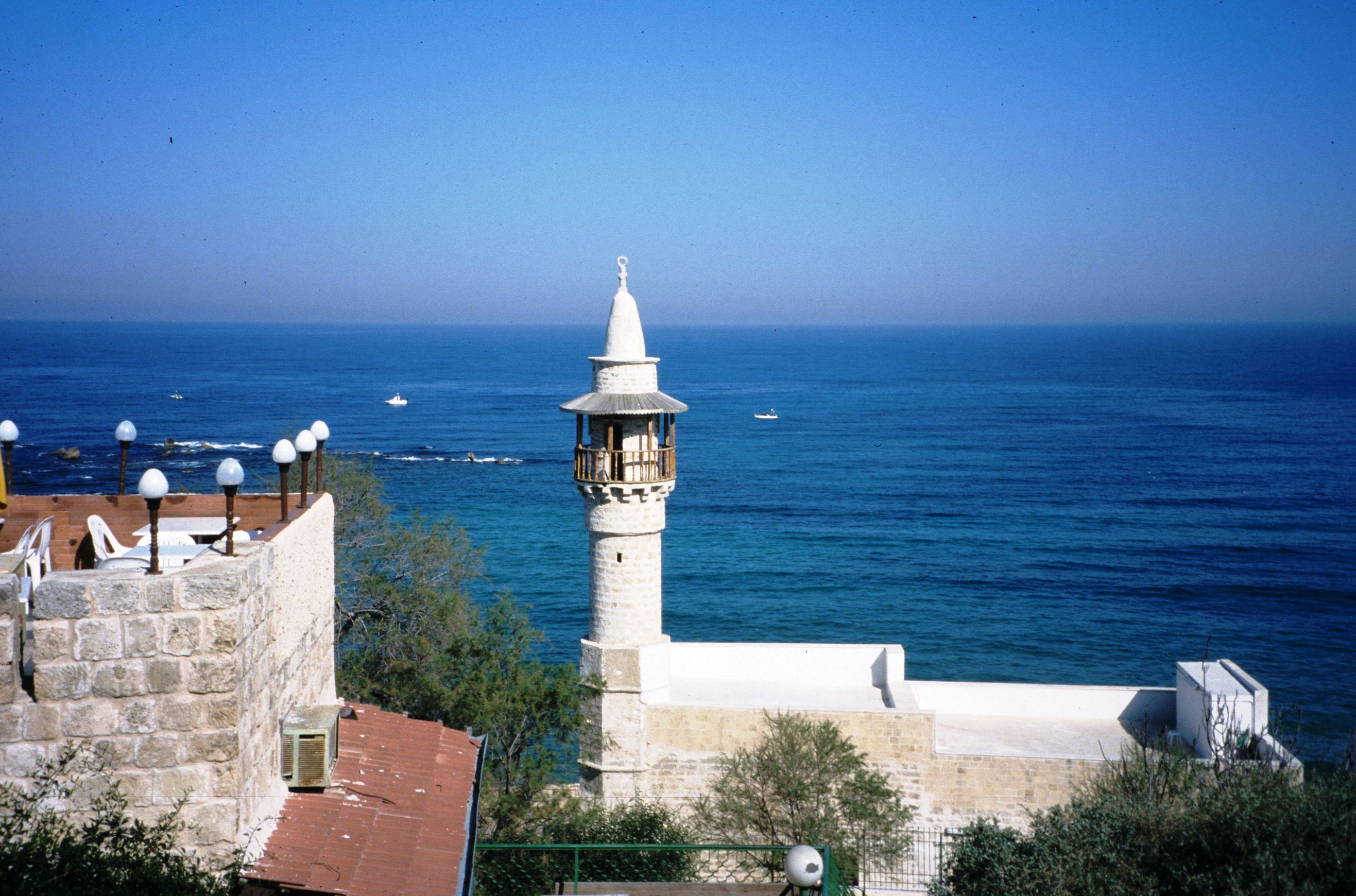
Joppa, an ancient Mediterranean harbor of Canaan, was the geographical setting for several events in biblical history.

When Solomon was to construct the temple, the king of Tyre offered,  “We will get all the timber you need from Lebanon and bring it in raft-like bundles by sea to Joppa. You can then haul it on up to Jerusalem.” (2 Chron. 2:16, NET).

Joppa was again used in this same manner when the second temple was rebuilt (Ezra 3:7). It’s about 35 miles from Joppa to Jerusalem.

Joppa figures in with the narrative of Jonah, who, when God told him to preach to Nineveh, “Instead, Jonah immediately headed off to Tarshish to escape from the commission of the LORD. He traveled to Joppa and found a merchant ship heading to Tarshish. So he paid the fare and went aboard it to go with them to Tarshish far away from the LORD” (Jonah 1:3, NET).

In NT times, there were disciples of Christ at Joppa. It was here that Peter raised Tabitha from the dead (Acts 9:36-43). Peter remained at Joppa for “many days” (Acts 9:43) and was there when the Gentile Cornelius, a Roman centurion stationed at Caesarea,  sent for him, that he could hear the Gospel message of salvation (Acts 10; 11:1-18; see esp. 11:14).

Joppa, ancient harbor on Israel’s coast. Photo by Leon Mauldin.

This photo of Joppa was taken in 1999, a 35mm slide which I had digitalized.

I posted an aerial photo of Joppa here.


Joshua’s Defeat of Libnah

October 9, 2012

We read in Joshua 10:29,30:

29 Then Joshua and all Israel with him passed on from Makkedah to Libnah, and fought against Libnah. 30 The LORD gave it also with its king into the hands of Israel, and he struck it and every person who was in it with the edge of the sword. He left no survivor in it. Thus he did to its king just as he had done to the king of Jericho.

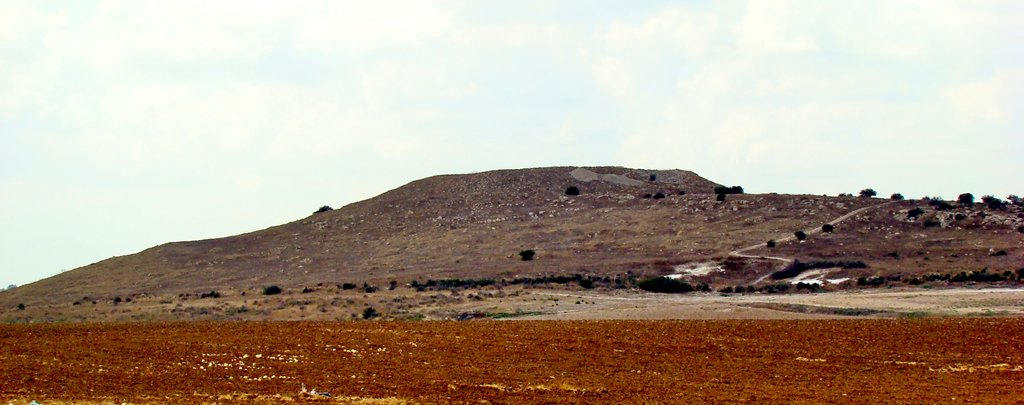
We had the occasion last year to visit Tel Burna, in Israel’s Shephelah, a location which many believe to be biblical Libnah.

Tel Burna, believed to be biblical Libnah. Photo by Leon Mauldin.

The Tel Burna Excavation Project is devoted to this site and may be viewed here.

Another biblical reference to Libnah is found in 2 Kgs. 19:8, contextually speaking of the Assyrian invasion of Judah, 701 BC: “Then Rabshakeh returned and found the king of Assyria fighting against Libnah, for he had heard that the king had left Lachish.”


Resource: Zondervan Atlas of the Bible

September 22, 2012

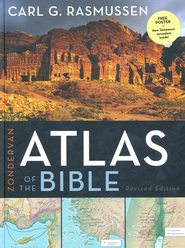
A resource I own and would recommend is Dr. Carl G. Rasmussen’s Zondervan Atlas of the Bible. It is currently on sale for the bargain price of 19.99 at Christianbook.com.  Click here to read more. Click here to order.A good resource for a great price!

Publisher’s Description:

Zondervan Atlas of the Bible … a thoroughly revised edition of the most comprehensive Bible atlas ever designed for * Students * Bible Study Groups * Adult Learners * Travelers/Pilgrims to the Lands of the Bible * Pastors * Teachers * All Lovers of the Bible This major revision of the Gold Medallion Award-winning Zondervan NIV Atlas of the Bible is a visual feast that will help you experience the geography and history of Scripture with unprecedented clarity. The first section of the Atlas introduces the ‘playing board’ of biblical history–using three–dimensional maps and photographic images to help the lands of the Bible come alive. The next section, arranged historically, begins with Eden and traces the historical progression of the Old and New Testaments. It provides an engaging, accurate, and faithful companion to God’s Word–illuminating the text with over one hundred full-color, multidimensional maps created with the help of Digital Elevation Modeling data. It concludes with chapters on the history of Jerusalem, the disciplines of historical geography, and the most complete and accurate listing and discussion of place-names found in any atlas. Throughout the Atlas, innovative graphics, chronological charts, and over one hundred specially selected images help illuminate the geographical and historical context of biblical events. The Zondervan Atlas of the Bible is destined to become a favorite guide to biblical geography for students of the Bible. This accessible and complete resource will assist you as you enter into the world of the Bible as never before.


Traveling in Israel (in 2005)

September 21, 2012

In November 2005 Ferrell Jenkins and I made a personal study trip to Israel. One factor that made that trip significant was the fact that this was Mr. Jenkin’s (who has directed scores of tours to Israel) first visit to Israel since the events of 9/11/2001. So the purpose in part was exploratory, to see what had changed and new developments/excavations, etc. He made posts of photos and comments every day.  You can still access that Nov. ’05 Israel trip info here. I thought some of our readers might enjoy the photos and info. This was before the widely read Ferrell’s Travel Blog.

I can tell you, that was a great trip. There is nothing quite like on-site Bible study! I think we each took around 2,500-3,000 photos.

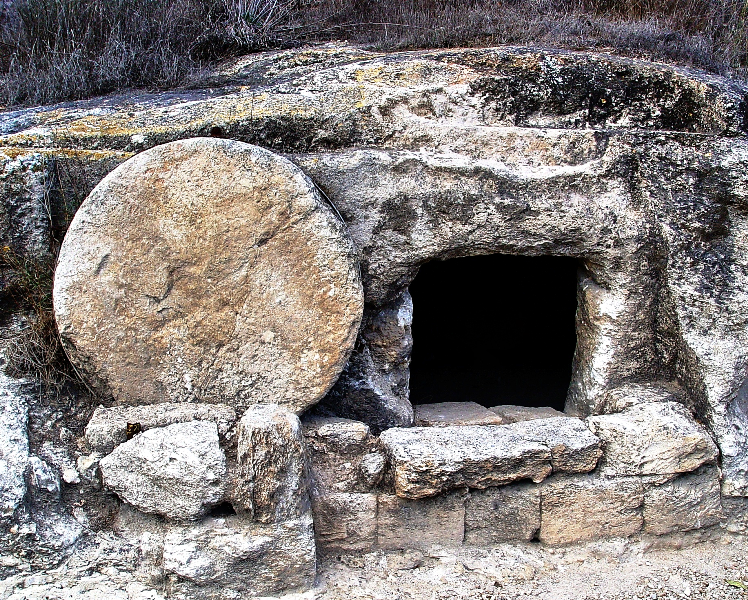
Rolling Stone Tomb in Northern Israel, Nov. 2005. Photo by Leon Mauldin.

This is one of my favorite shots from that trip. You can see there is no green grass, as it was dead and dry in Nov. It is good to be able to see the land at different times of the year if possible.

This Roman tomb is not far from Megiddo. Its use dates back to the time of Jesus, and well illustrates the kind of tomb in which Jesus was buried. Unfortunately it is not possible to get this same photo today as there is a safety railing in front of the tomb.

Click on photo for larger view.