Sea of Galilee, at Capernaum

June 9, 2016

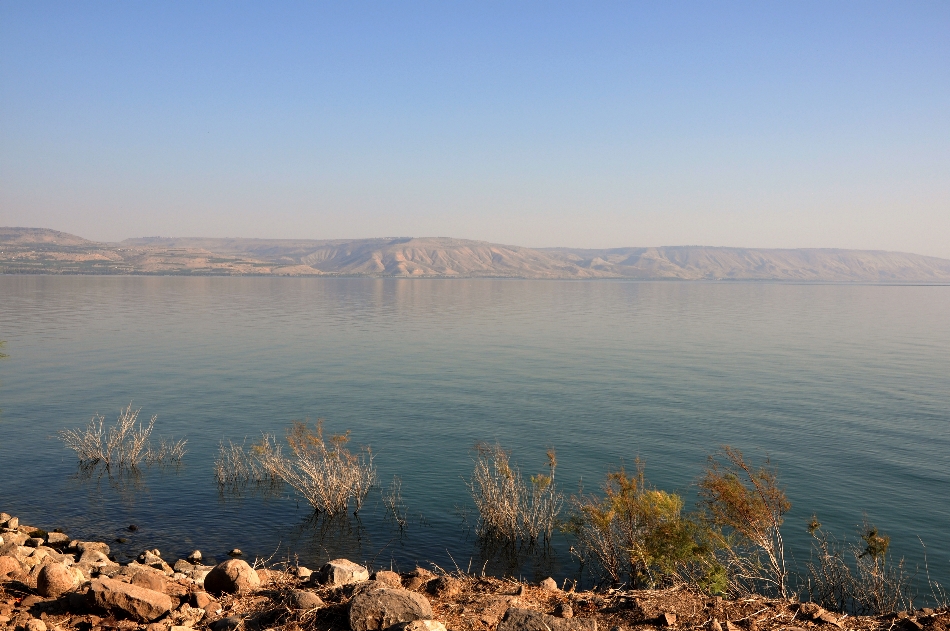
This past week was a busy week in our local congregation — our annual Vacation Bible School. The theme was “Soaring to Bible Places” and included lessons from three Old Testament and two New Testament texts. Our studies took us to Capernaum, where Jesus healed a Centurion’s servant, and commended the Centurion for his great faith (Jesus marveled!, Matt. 8:5-13). From Capernaum you have a beautiful view of the Sea of Galilee.

Sea of Galilee, looking east from Capernaum. Photo by Leon Mauldin.

Sea of Galilee, looking east from Capernaum. Photo by Leon Mauldin.

I enjoy showing photos such as this to children and adults alike, to help us visualize the setting of the biblical world. It was in this very area that Jesus did so much of His earthly ministry.


Milestones near Beth Shan

May 18, 2016

You’ve heard about “going the second mile.” In His “Sermon on the Mount” in Galilee Jesus said (in a context forbidding retaliation for evil), “And whoever compels you to go one mile, go with him two” (Matt. 5:41). In New Testament times a Roman soldier could compel a Jewish citizen (or others) to carry burdens for them. They were authorized by the Roman government to press civilians into service of this nature; such would have to carry the load for the distance of one mile, but no further.

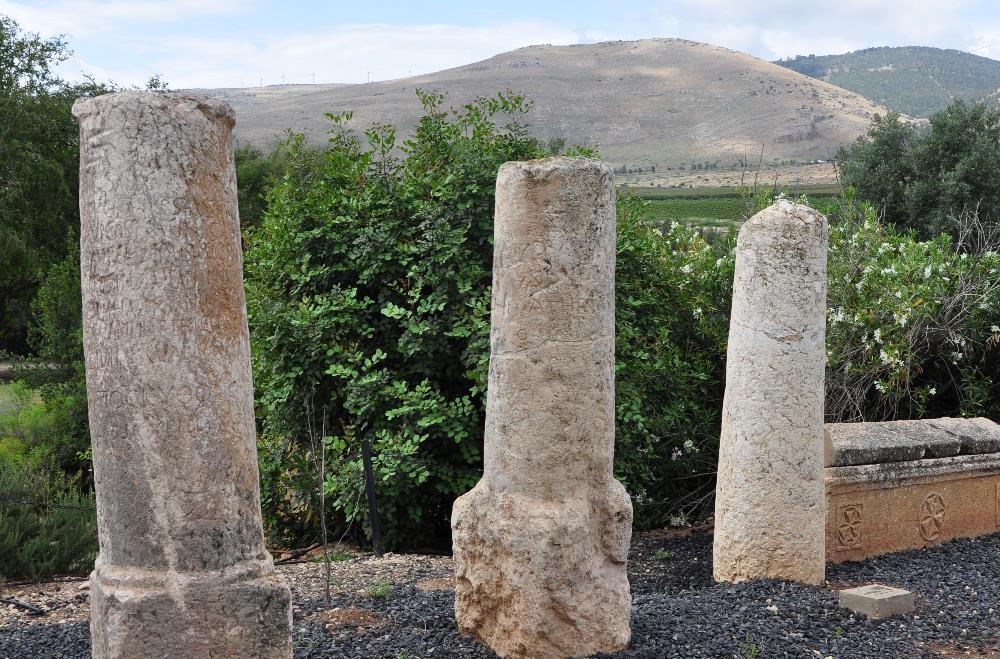
But how would you know when the mile was up? Conveniently, Roman roads had mile markers, such as these below, collected from the Beth Shan area.

Milestones from the Beth Shan area, at Gan Hashlosha National Park. Photo by Leon Mauldin.

Milestones from the Beth Shan area, at Gan Hashlosha National Park. Photo by Leon Mauldin.

Jesus tells His disciples that instead of complaining about an oppressive government, or bemoaning their victimization, they were to go an extra mile. You see, Jesus’ disciples are different; in the world, but not of the world. Who knows but that from time to time this kind of unusual conduct would cause that soldier to ask, “What makes you different; what do you have that I don’t have?” If so then as Peter said, “But sanctify the Lord God in your hearts, and always be ready to give a defense to everyone who asks you a reason for the hope that is in you, with meekness and fear; having a good conscience, that when they defame you as evildoers, those who revile your good conduct in Christ may be ashamed” (1 Pet. 3:15,16).

I’ve previously written on milestones here.


Jesus’ Galilean Ministry

May 4, 2016

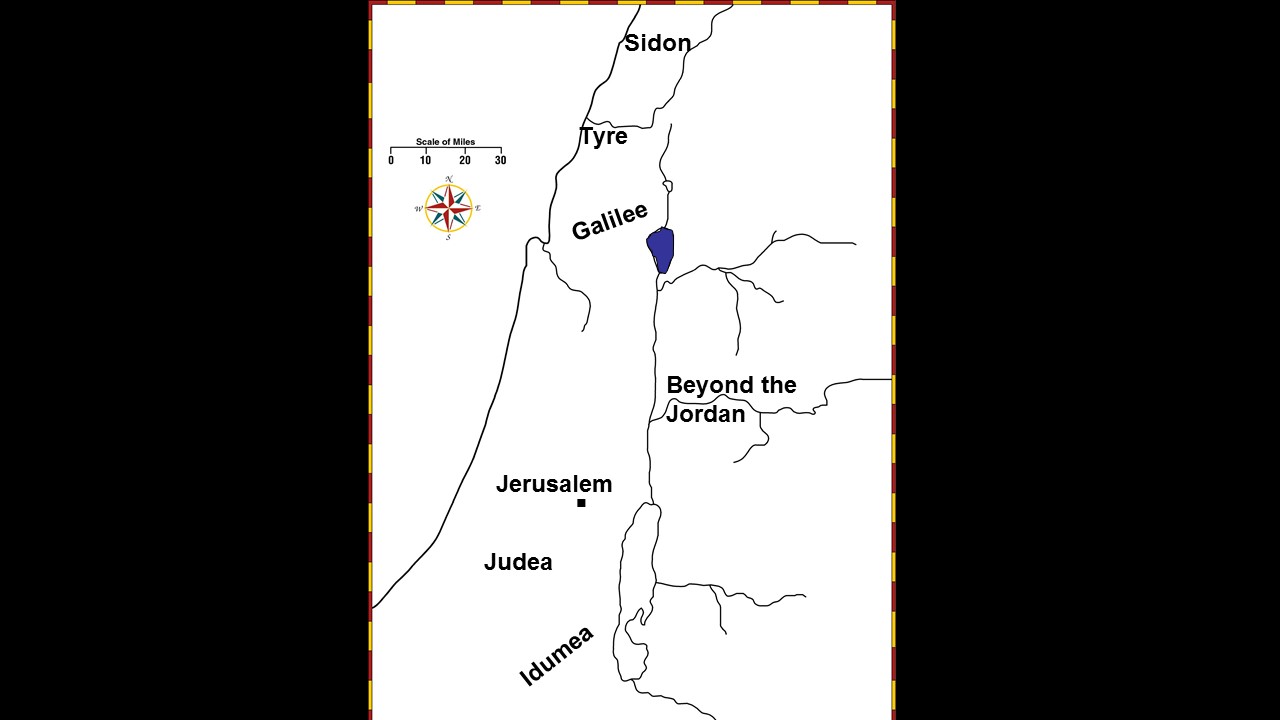
Frequently the Bible will have “summary statements,” such as is found regarding Jesus’ Galilean Ministry: ” Jesus withdrew to the sea with His disciples; and a great multitude from Galilee followed; and also from Judea, and from Jerusalem, and from Idumea, and beyond the Jordan, and the vicinity of Tyre and Sidon, a great number of people heard of all that He was doing and came to Him” (Mark 3:7-8, NASB).

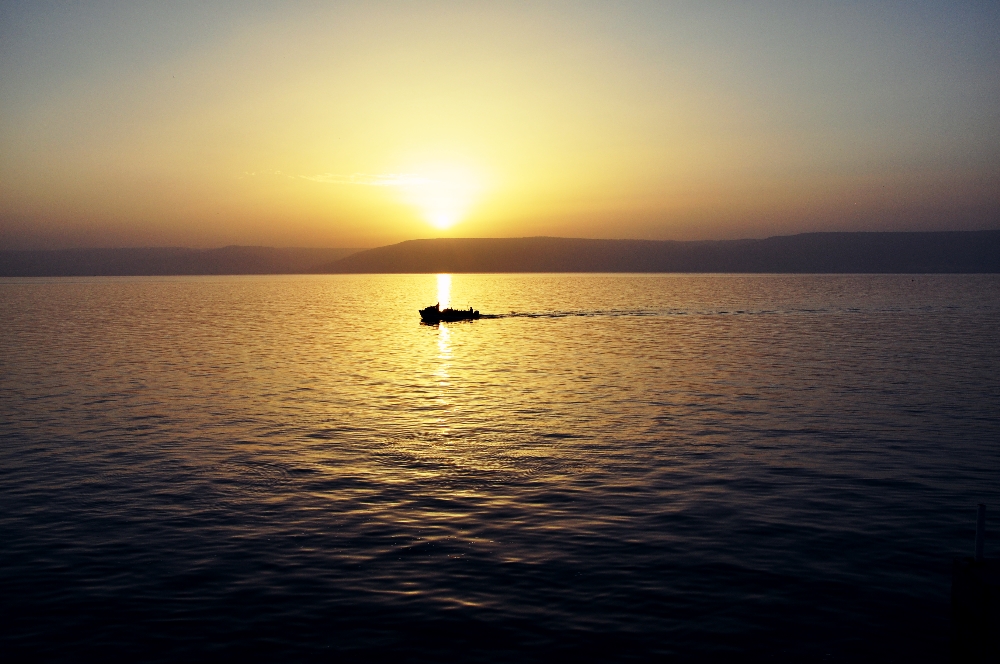
Note Jesus “withdrew to the sea,” meaning the Sea of Galilee, which is really a fresh water lake fed by the Upper Jordan. Its surface is currently 696 feet below sea level. Here see a sunrise view I photographed last month:

Sunrise at the Sea of Galilee. Photo ©Leon Mauldin.

Sunrise at the Sea of Galilee. Photo ©Leon Mauldin.

I labeled this blank map to show all the sites mentioned in these two verses.

Map, areas mentioned in Mark 3:7-8. Blank map by Bob Waldron & Scott Richardson.

Map, areas mentioned in Mark 3:7-8. Blank map by Bob Waldron & Scott Richardson.

The text is saying that people from all of these areas came to hear and see Jesus when He “withdrew to the sea.” Mark records the above portion of Jesus’ ministry immediately before he narrates Jesus’ selection and appointment of the twelve apostles.


Ferrell Jenkins Conducts 50th Anniversary Tour: A Tribute to my Friend

April 27, 2016

The March 28 – April 8, 2016 Israel tour directed by Ferrell Jenkins was advertised as his “50th Anniversary Tour,” thus completing 50 years of Distinctive World Tours, designed and led by Mr. Jenkins. What a remarkable, incredible milestone! These tours, custom-designed with Christians in mind, have literally gone around the world, but the emphasis has been on travel to the lands where the biblical events transpired. That of course includes Israel, but also Turkey, Greece, Italy, Egypt and more; literally from Ararat (where Noah’s ark landed; book of Genesis) to Patmos (where John received the Revelation). All who have traveled with Mr. Jenkins have profited, but it is especially the Bible class teachers (men & women), preachers and elders who have made the greatest use of resources, photos and knowledge gained. In that way also the folks “back home” that do not travel have benefited as well.

His blog, Ferrell’s Travel Blog was started in 2007, to feature not only photos of Bible places but also helpful info, biblical texts and other resources/links. Since then his blog has received more than two million visits. (You will also find biblicalstudies.info to be a very helpful site).

Mr. Jenkins wrote, “I have been preaching and teaching the Word of God since 1952, and I have always loved it. Nothing gives me a greater thrill than teaching at the sites where biblical events occurred. Thanks for the memories. It is my conviction that an understanding of the Bible lands can enhance one’s Bible study and improve understanding of the text. This, in turn, must be converted to action in obedience to the will of the Lord, and in service to Him” (Biblical Insights, Dec. 2009, p.28).

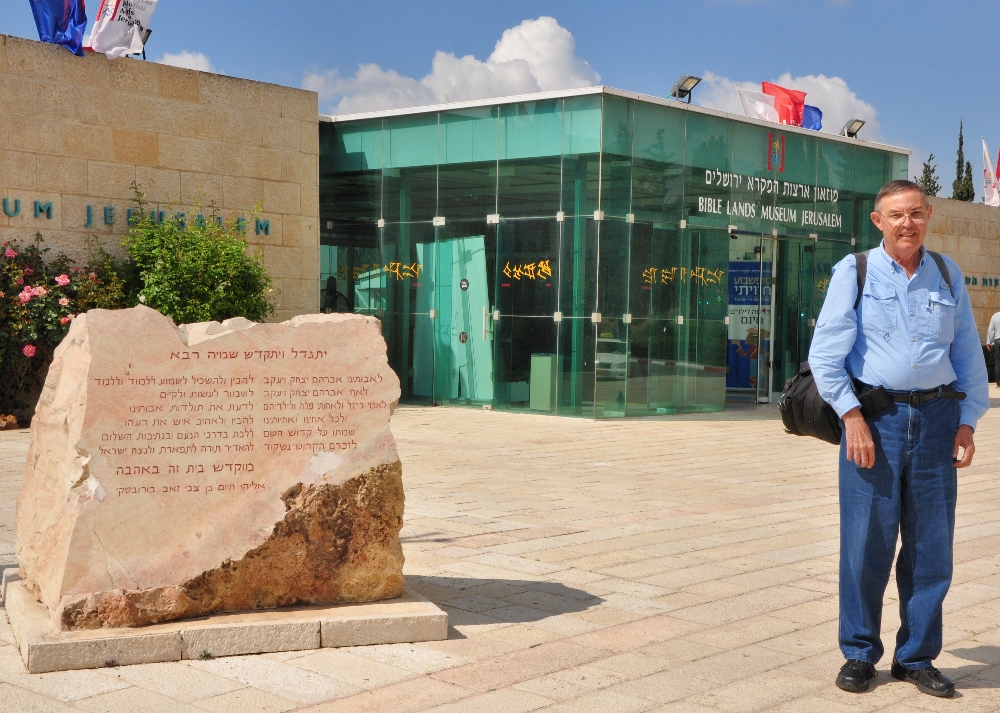
Ferrell Jenkins outside Bible Lands Museum, Jerusalem. Photo by Leon Mauldin.

Ferrell Jenkins outside Bible Lands Museum, Jerusalem (Apr. 14, 2016). Photo by Leon Mauldin.

On my part I wanted to say Thanks! for a job well done, for such an outstanding contribution to the field of biblical studies. It is amazing to look back at those last 50 years and think of the good that has been accomplished. Though retired, Mr. Jenkins continues to study several hours daily, and writes and does some teaching as time permits. He has devoted his life to helping people, especially young people, better understand and be equipped to teach the Bible. All of his work has been done with the loving support of Mrs. Elizabeth Jenkins.

On a personal note, I was able to join this 50th tour on the evening before its final day. Then after the tour group left for home, Mr. Jenkins & I rented a car, and for the next several days visited sites all over Israel, using Tiberius and Jerusalem as our “base,” especially focusing on places we had not seen before. We were also able to do some aerial photography from Joppa to the south as far as Beersheba and east to Jerusalem. I have enjoyed and profited from several personal study trips he & I have made of this nature.

So to my fellow Gospel preacher, former professor, and traveling friend, please accept this small token of my lasting gratitude, and of the high esteem in which you are held, furnished by the occasion of this extraordinary milestone! To God be the glory!


Banias Falls, near Caesarea Philippi

April 11, 2016

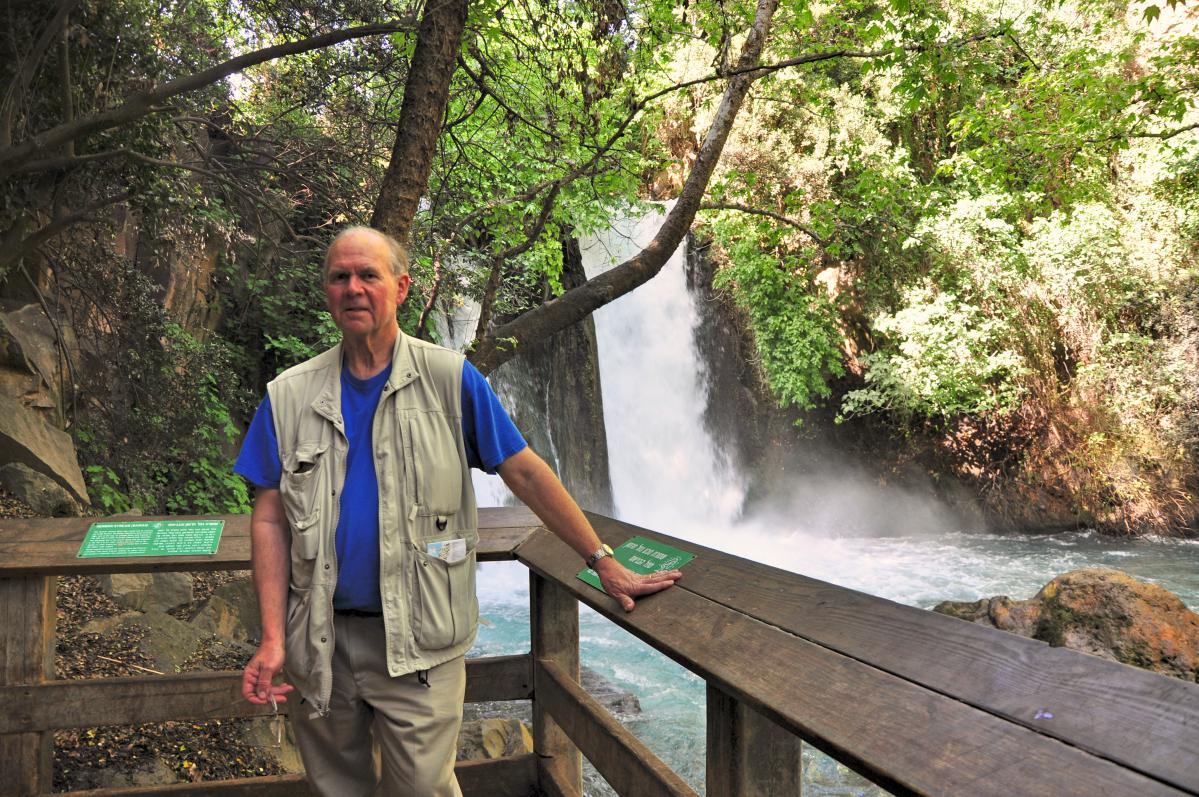
Today’s travels in northern Israel took us to Lake Hula (migratory birds pass through here, to and from Africa-Turkey) and then past Abel-beth-maacah (see 1 Kings 15:20) to the border of Lebanon. We also saw the Senir River and Banias River, two of the main sources that converge to form the Jordan River. The Banias Spring emanates at Caesarea Philippi. Downstream from there are the Banias Falls.

Banias Falls near Caesarea Philippi. One of the major sources of the Jordan River.

Banias Falls near Caesarea Philippi. One of the major sources of the Jordan River.

Jesus was in this area during His “Retirement Ministry,” in that time-frame when He was trying to spend more private teaching/training time with the apostles for the great evangelistic work for which He had chosen them. Text–Matthew 16:

13 Now when Jesus came into the district of Caesarea Philippi, He was asking His disciples, “Who do people say that the Son of Man is?” 14 And they said, “Some say John the Baptist; and others, Elijah; but still others, Jeremiah, or one of the prophets.” 15 He said to them, “But who do you say that I am?” 16 Simon Peter answered, “You are the Christ, the Son of the living God.” 17 And Jesus said to him, “Blessed are you, Simon Barjona, because flesh and blood did not reveal this to you, but My Father who is in heaven. 18 “I also say to you that you are Peter, and upon this rock I will build My church; and the gates of Hades will not overpower it. 19 “I will give you the keys of the kingdom of heaven; and whatever you bind on earth shall have been bound in heaven, and whatever you loose on earth shall have been loosed in heaven.”


Odeion at Troy

April 1, 2016

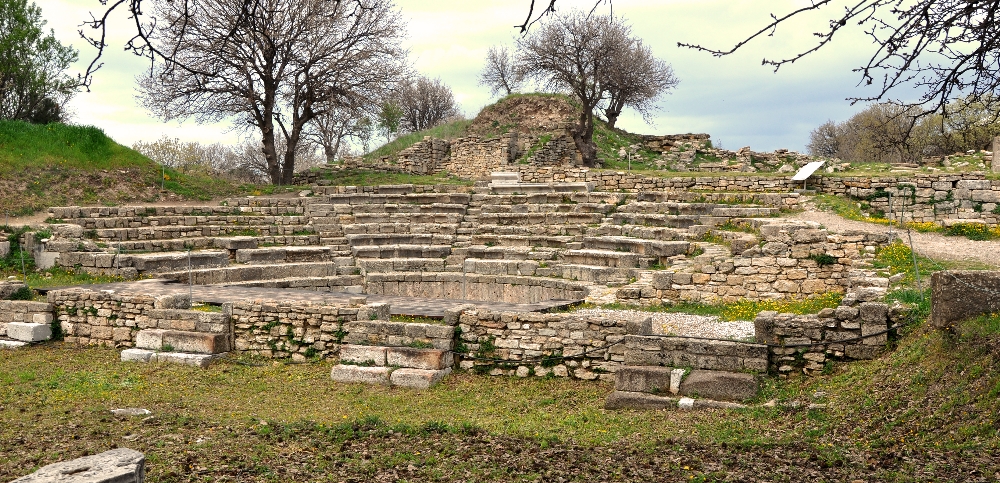
Ancient Troy has been made famous by Homer’s Iliad. Troy is located within the province of Çanakkale, located in extreme western Turkey. Troy’s extensive remains are the most significant and substantial evidence of the first contact between the civilizations of Anatolia and the Mediterranean world. This past Spring, 2015, we were able to visit Troy. Among the fascinating ruins there was the Roman Odeion, a small theater where concerts, lectures and other events took place.

Roman Odeion at Troy, Turkey. Photo by Leon Mauldin.

Roman Odeion at Troy, Turkey. Photo by Leon Mauldin.

The skene, stage building included a larger-than-life statue of the Emperor Hadrian (AD 117-138). Also, a sculpted head of Augustus was found at the odeion, causing some to surmise that this may have been erected in honor of his visit here in 20 BC. Beyond the odeion at the back you can see a portion of the fortification wall of Troia VI.

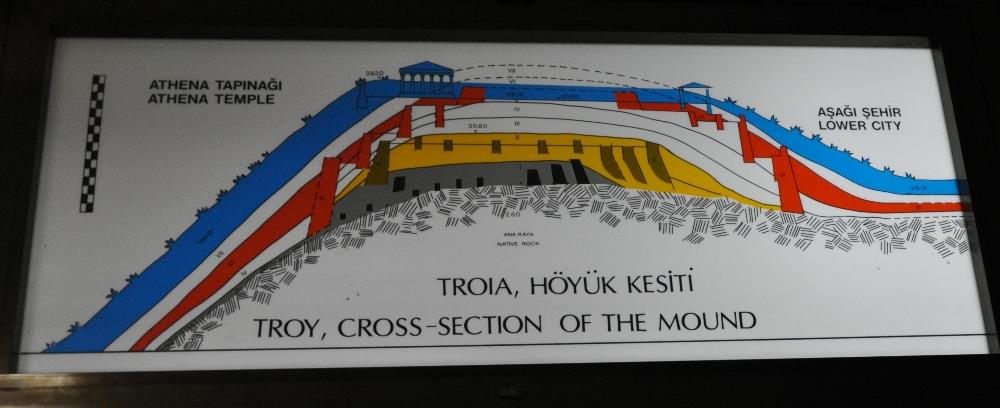
The Roman odeion is in Troy’s Level IX. Over the centuries there were nine levels of occupation.

Cross-section of Troy, showing 9 occupation levels. Istanbul Museum. Photo by Leon Mauldin.

Cross-section of Troy, showing 9 occupation levels. Istanbul Museum. Photo by Leon Mauldin. 

Wikipedia has this helpful chart:

Troy I 3000–2600 BC (Western Anatolian EB 1)
Troy II 2600–2250 BC (Western Anatolian EB 2)
Troy III 2250–2100 BC (Western Anatolian EB 3 [early])
Troy IV 2100–1950 BC (Western Anatolian EB 3 [middle])
Troy V: 20th–18th centuries BC (Western Anatolian EB 3 [late])
Troy VI: 17th–15th centuries BC
Troy VIh: late Bronze Age, 14th century BC
Troy VIIa: c. 1300–1190 BC, most likely setting for Homer’s story
Troy VIIb1: 12th century BC
Troy VIIb2: 11th century BC
Troy VIIb3: until c. 950 BC
Troy VIII: c. 700–85 BC
Troy IX: 85 BC–c. AD 500

Biblical significance: It was here at Troy (Ilium) at the temple of Athena that Xerxes (Ahasuerus) of the book of Esther sacrificed 1,000 head of cattle en route on his march through the Hellespontine region towards Greece. This was 480 BC.

We have previously posted on Troy here.


Syracuse, Mt. Etna, and Taromina, Sicily

March 13, 2016

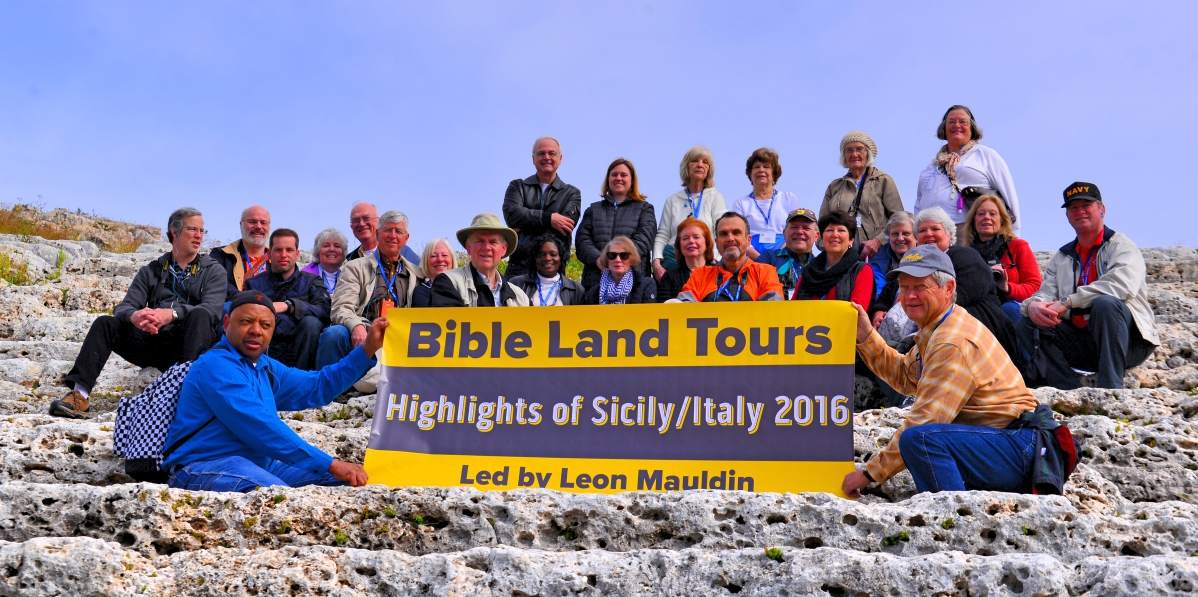
Yesterday (Saturday) we visited the archaeological sites Syracuse, Sicily, and from there went on to Mt. Etna (Europe’s most active volcano), and then to Taromina. While at the Greek theater at Syracuse we took this group photo.

Group photo at Greek Theater at Syracuse, Sicily. Photo by David Deason.

Group photo at Greek Theater at Syracuse, Sicily. Photo by David Deason.

This theater was built in the 5th century BC.

The city of Syracuse was founded in 733 BC by Greek settlers from Corinth. Some names associated with Syracuse include Aeschylus, considered the father of the Greek tragedy. The philosopher Plato was in Syracuse. Syracuse was the birthplace of Archimedes, the famous mathematician and most influential scientist of the ancient world.

But actually none of those names brought us to this ancient site; rather it was its biblical mention in connection with Paul’s journey (as a prisoner) to Rome. Of that point in the journey Luke writes, “And landing at Syracuse, we stayed three days” (Acts 28:12).


Jordan River

February 17, 2016

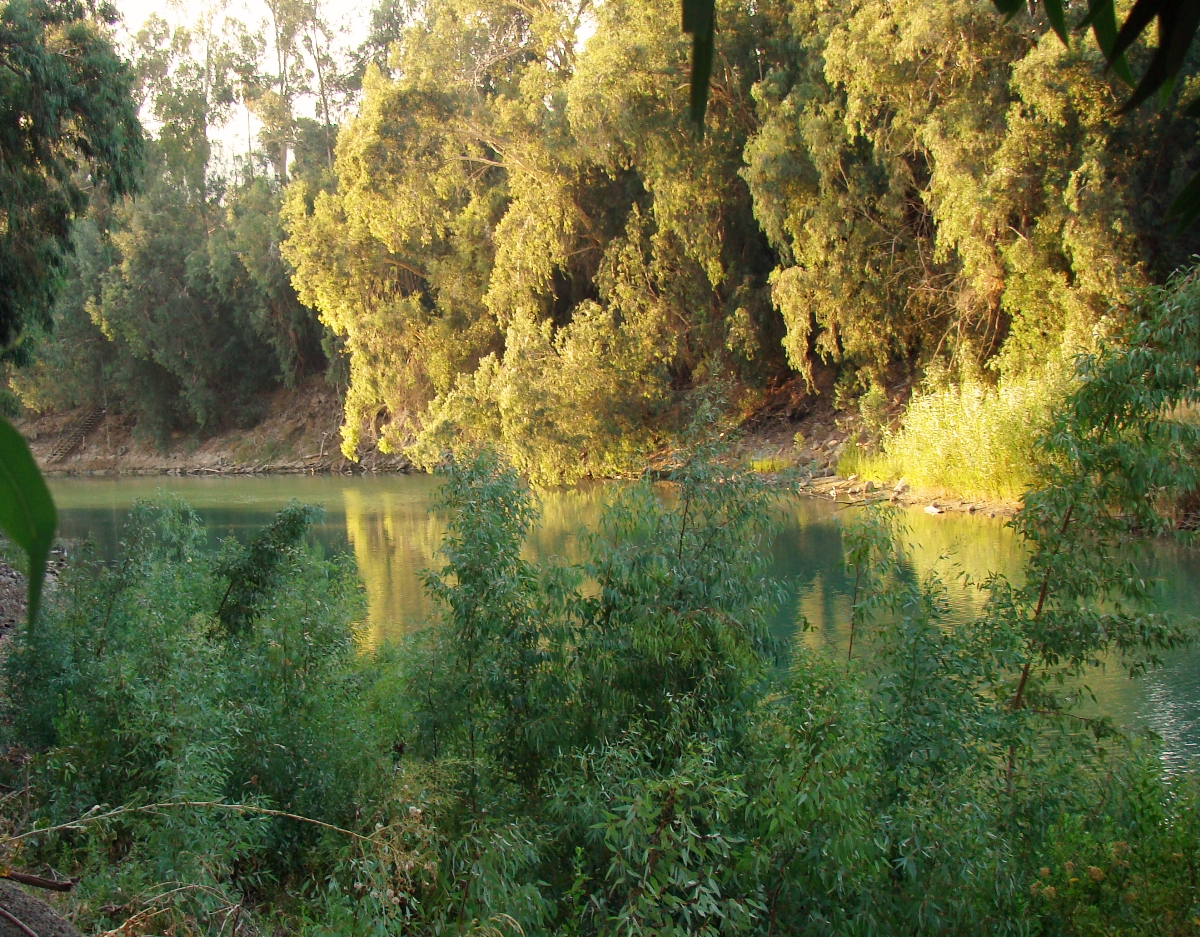
In preparing for our mid-week Bible study tonight (Life of Christ) I came across a photo of the River Jordan I took back in Sept. 2011.

Jordan River. Photo by Leon Mauldin.

Jordan River. Photo by Leon Mauldin.

This is where the Jordan continues its flow just south of the Sea of Galilee.

Some of my other posts and photos of the Jordan River may be seen by clicking here and here.

Click image for larger view.


Jesus and the Money-changers

February 10, 2016

John records the beginning of Jesus’ ministry, including this visit to Jerusalem for Passover:

The Passover of the Jews was near, and Jesus went up to Jerusalem. And He found in the temple those who were selling oxen and sheep and doves, and the money changers seated at their tables. And He made a scourge of cords, and drove them all out of the temple, with the sheep and the oxen; and He poured out the coins of the money changers and overturned their tables; and to those who were selling the doves He said, “Take these things away; stop making My Father’s house a place of business.” (John 2:13-16).

It is noteworthy that Jesus both began (above text) and concluded (Matt. 21:12-13) His ministry by cleansing the temple (hieros), “My Father’s house,” of its abuses–of its being turned into a “house of merchandise.”

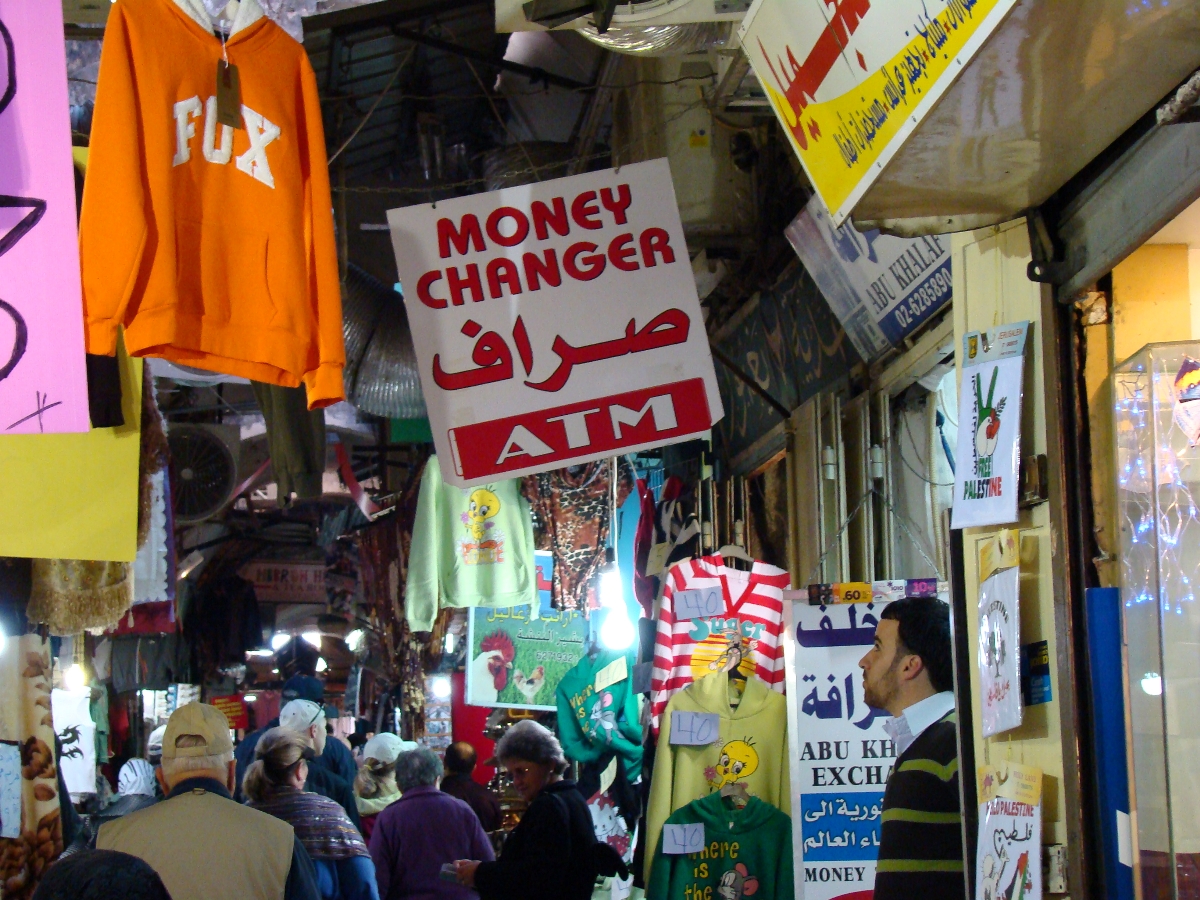
I’ve thought of these biblical texts when walking through Old Jerusalem and seeing signs such as this one:

Money-changers in Jerusalem. Photo by Leon Mauldin.

Money-changers in Jerusalem. Photo by Leon Mauldin.

Money-changers were:

bankers who exchanged one nation’s currency, or one size of coin, for another. These people provided a convenience, charging a fee (often exorbitant) for their services. Some moneychangers operated in the temple area (the Court of the Gentiles), because all money given to the Temple had to be in the Tyrian silver coin. According to Exodus 30:11–16, every Israelite 20 years old or older was required to pay an annual tax of a half-shekel into the treasury of the sanctuary (Nelson’s New Illustrated Bible Dictionary).

Note the location is the hieros (temple area with its spacious courts, John 2:14-15) and not the naos, or sanctuary, where only the priests could go.
What do you think Jesus might do if He were to walk among “modern churches” today? (I know the church in the biblical sense is not the physical church building/meeting place, but rather is the people of God).

Click image for larger view.


Photos Now Allowed At Egyptian Museum

January 30, 2016

I note in Todd Bolen’s BiblePlaces Blog that photography “is once again permitted in the Egyptian Museum with purchase of a camera ticket.” The Egyptian Museum is located at Cairo, and for many years photos have not been permitted. See here. 

I was able to visit the museum in 2003 when photos were permissible.

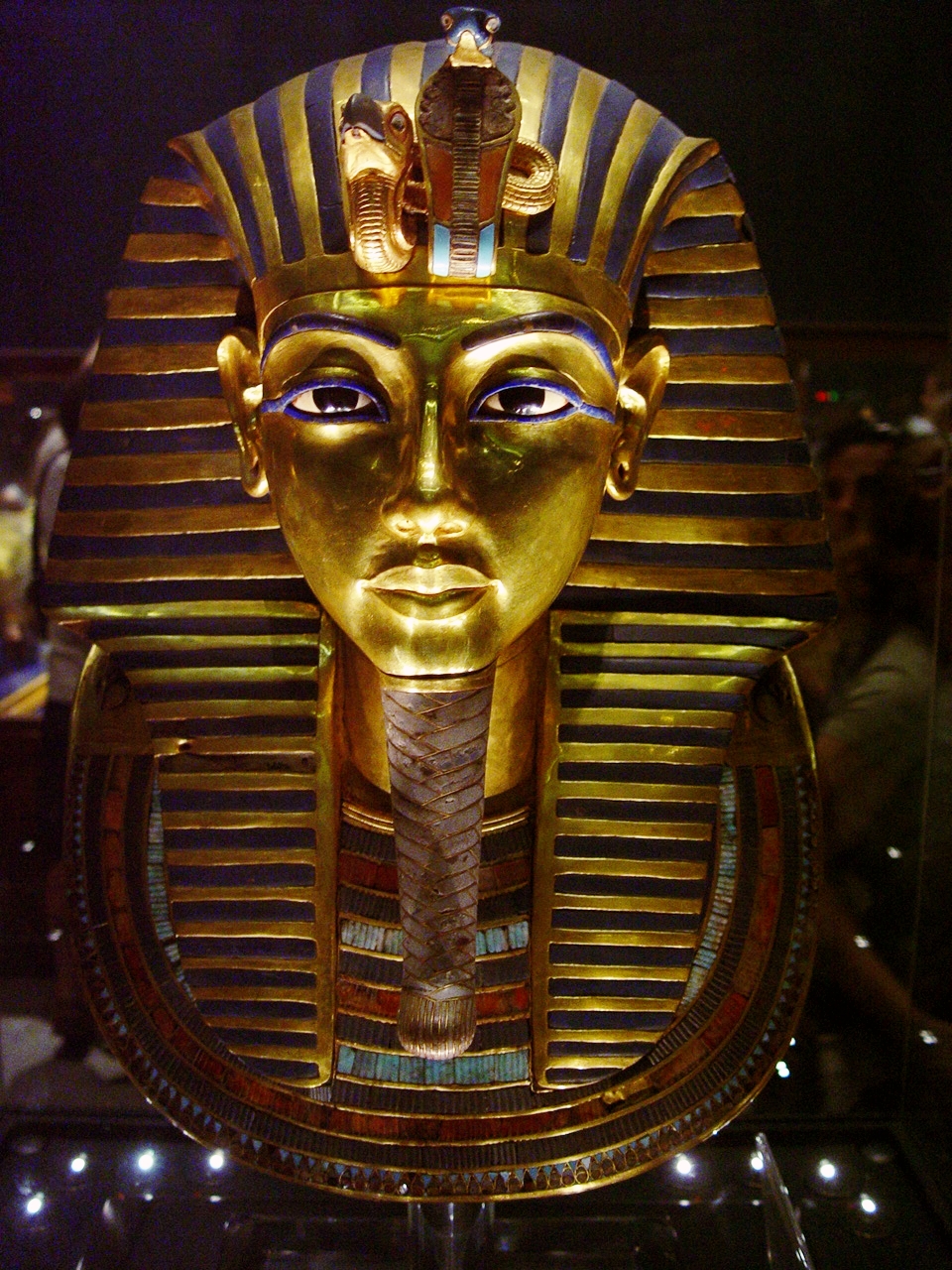
King Tut's Funerary Mask. Egyptian Museum. Photo by Leon Mauldin.

King Tut’s Funerary Mask. Egyptian Museum. Photo by Leon Mauldin.

Tutankhamun was an Egyptian pharaoh of the 18th dynasty (ruled c. 1332–1323 BC in the conventional chronology), during the period of Egyptian history known as the New Kingdom. He is colloquially referred to as King Tut. His original name, Tutankhaten, means “Living Image of Aten”, while Tutankhamun means “Living Image of Amun”. In hieroglyphs, the name Tutankhamun was typically written Amen-tut-ankh, because of a scribal custom that placed a divine name at the beginning of a phrase to show appropriate reverence. He is possibly also the Nibhurrereya of the Amarna letters, and likely the 18th dynasty king Rathotis who, according to Manetho, an ancient historian, had reigned for nine years—a figure that conforms with Flavius Josephus’s version of Manetho’s Epitome.
The 1922 discovery by Howard Carter and George Herbert of Tutankhamun’s nearly intact tomb received worldwide press coverage. It sparked a renewed public interest in ancient Egypt, for which Tutankhamun’s mask, now in the Egyptian Museum, remains the popular symbol. Exhibits of artifacts from his tomb have toured the world. In February 2010, the results of DNA tests confirmed that he was the son of Akhenaten (mummy KV55) and Akhenaten’s sister and wife (mummy KV35YL), whose name is unknown but whose remains are positively identified as “The Younger Lady” mummy found in KV35. The “mysterious” deaths of a few of those who excavated Tutankhamun’s tomb has been popularly attributed to the curse of the pharaohs. (Wikipedia).

See my previous posts re: the Egyptian Museum here and here. Additionally I have a post on the Valley of the Kings where Tut’s tomb was found. Click here.