Caesarea, and on to Galilee

November 2, 2016

This morning upon leaving Natana with its beautiful view of the Mediterranean, we first visited Caesarea, the Roman capitol of Israel during Jesus’ Ministry. We saw lots of wave action.
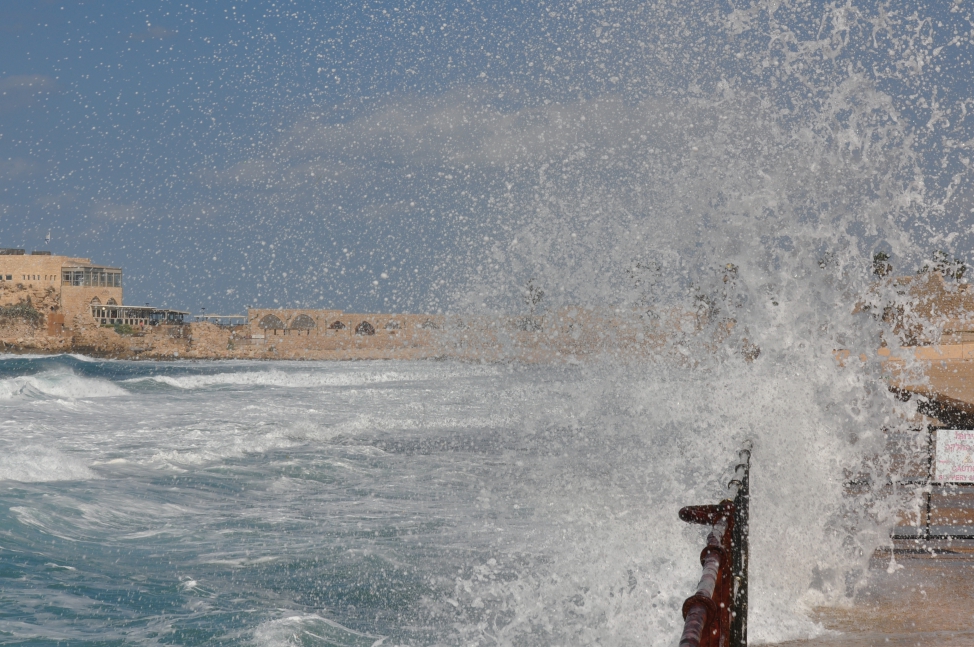
Waves at Caesarea. Photo by Leon Mauldin.

Waves at Caesarea. Photo by Leon Mauldin.

Caesarea is mentioned numerous times in the New Testament. This became the home of Philip the evangelist (Acts 8:40; 21:8). Cornelius, the first Gentile convert, resided here (Acts 10-11). Paul used the port when leaving for Tarsus (Acts 9:30), and when returning from 2nd and 3rd journeys (Acts 18:22; 21:8). Later Paul was imprisoned here for two years (Acts 24:27), during which time he stood before Felix and Drusilla (Acts 24), Festus (Acts 25) and Herod Agrippa II (Acts 26). Paul left for Rome still as a prisoner from here (Acts 27).
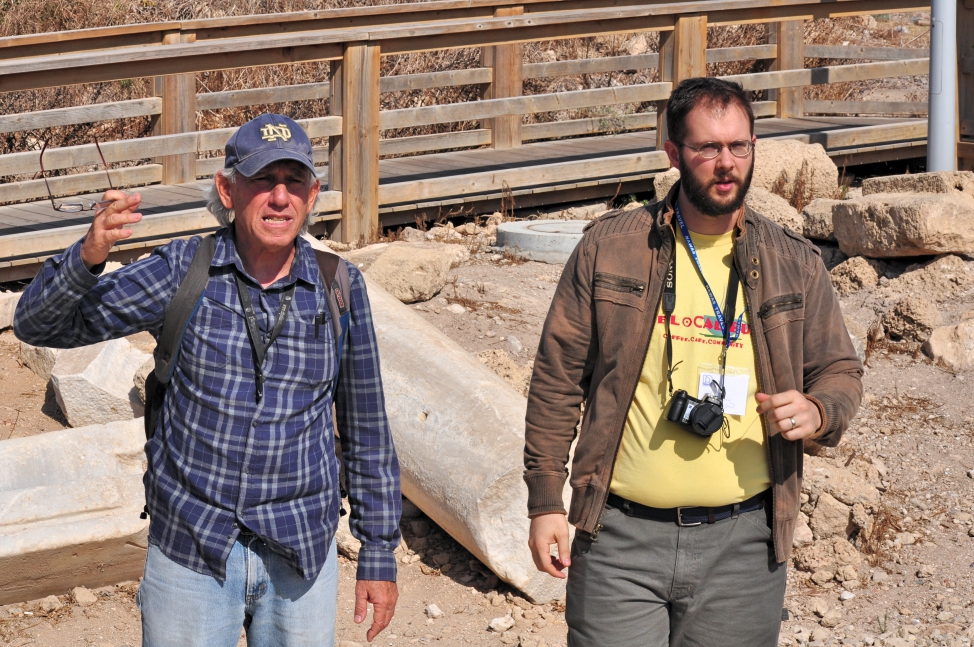
Our Israeli guide, Zack, and my son, Seth. Photo by Leon Mauldin.

Our Israeli guide, Zack (left), and my son, Seth, at Caesarea. Photo by Leon Mauldin.

As we were leaving Caesarea I noticed some pomegranates. I was compelled to drink a glass of a couple of these, freshly squeezed.
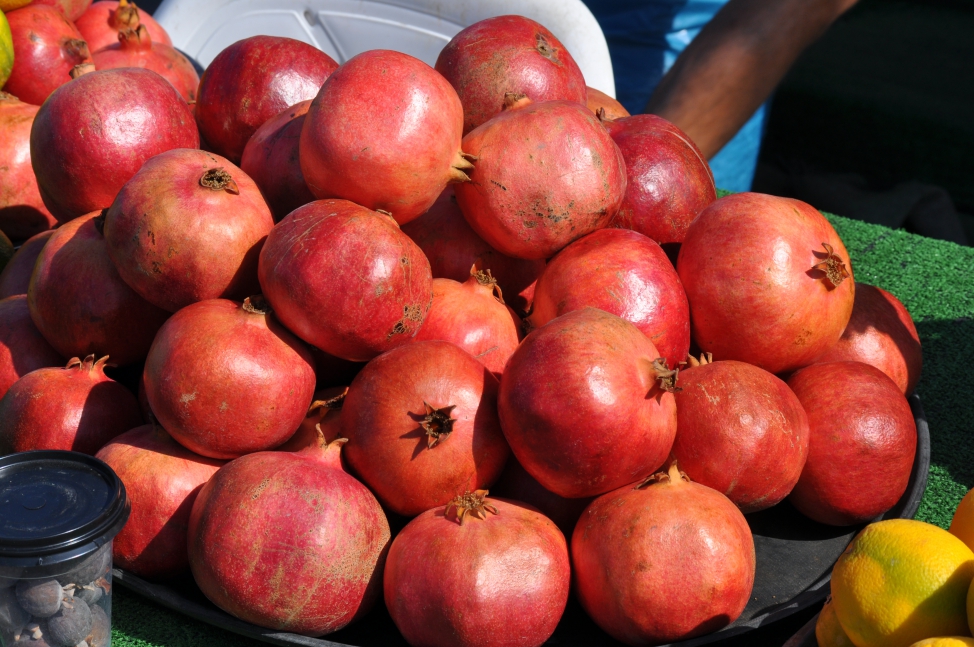
Pomegranates at Caesarea. Photo by Leon Mauldin.

Pomegranates at Caesarea. Photo by Leon Mauldin.

Later at the strategic city of Megiddo we saw several points of interest, including Solomon’s stables.
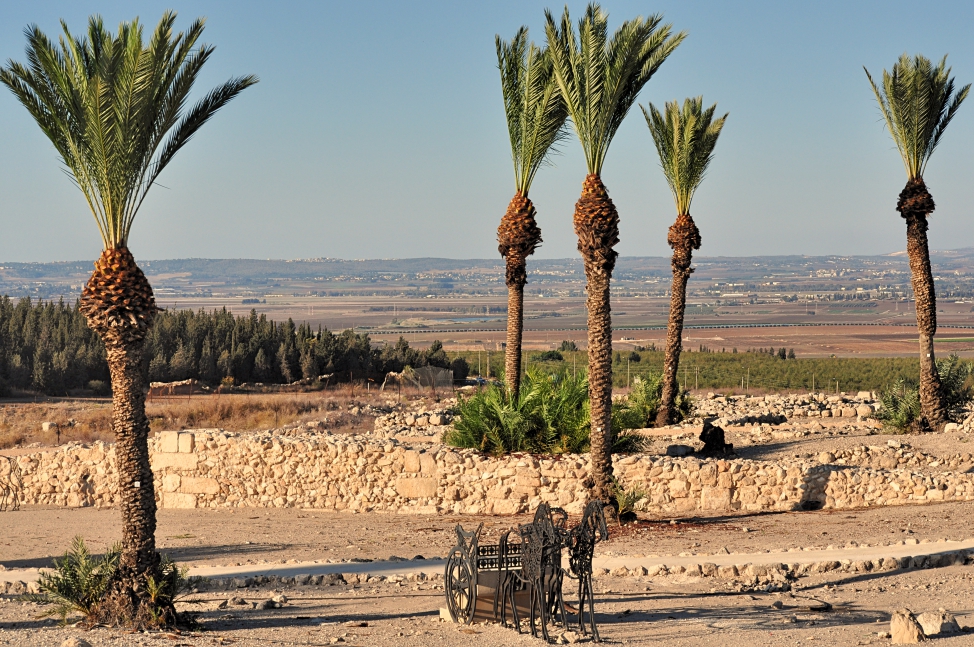
Solomon's Stables at Megiddo. Photo by Leon Mauldin.

Solomon’s Stables at Megiddo. Photo by Leon Mauldin.

As we headed on the way to Tiberias we stopped briefly for a photo of Nain of Galilee, the village where Jesus raised from the dead a young man, the only son of a widow (Luke 7:11-17).
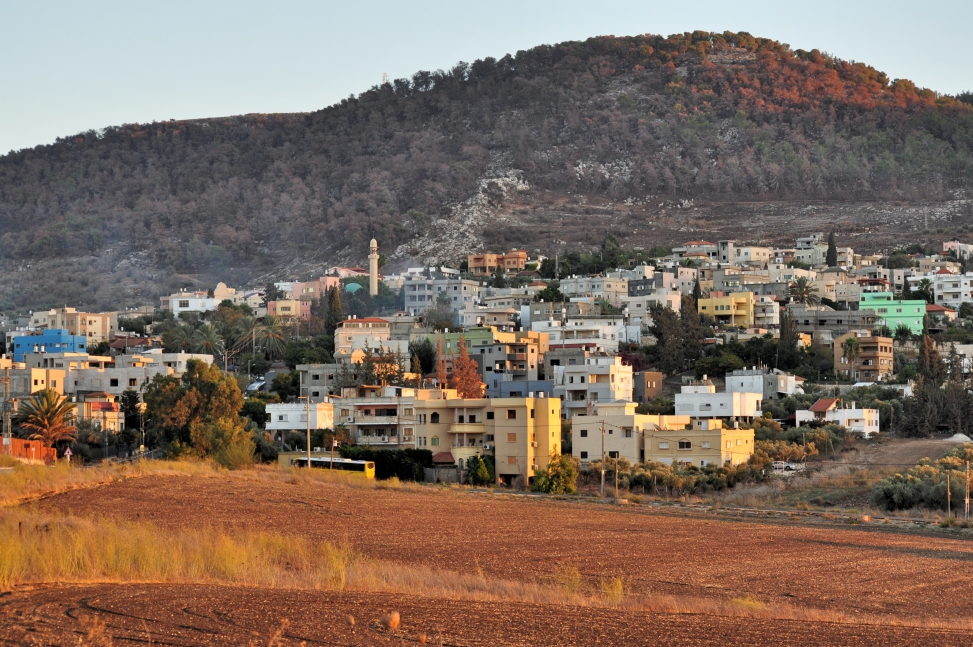
Nain, of Galilee, where Jesus raised a young man from the dead. Photo by Leon Mauldin.

Nain, of Galilee, where Jesus raised a young man from the dead. Photo by Leon Mauldin.

Thanks for following our travels. I’m writing this from Tiberias, on the Sea of Galilee. More to come!


Joppa, Newly Excavated City Gate

November 1, 2016

Many of you have read of the recent excavations at biblical Joppa, published in the Oct 22, 2016 issue of Haaretz, entitled, “Previously unknown Canaanite revolt against Egypt revealed in ancient Jaffa” with subtitle, “There is no record of the Canaanites ousting their Egyptian overlords, but 3,100-year-old remains of fiery destruction suggest they did just that,” by Philippe Bohstrom.
You can read more at: http://www.haaretz.com/jewish/archaeology/1.748579

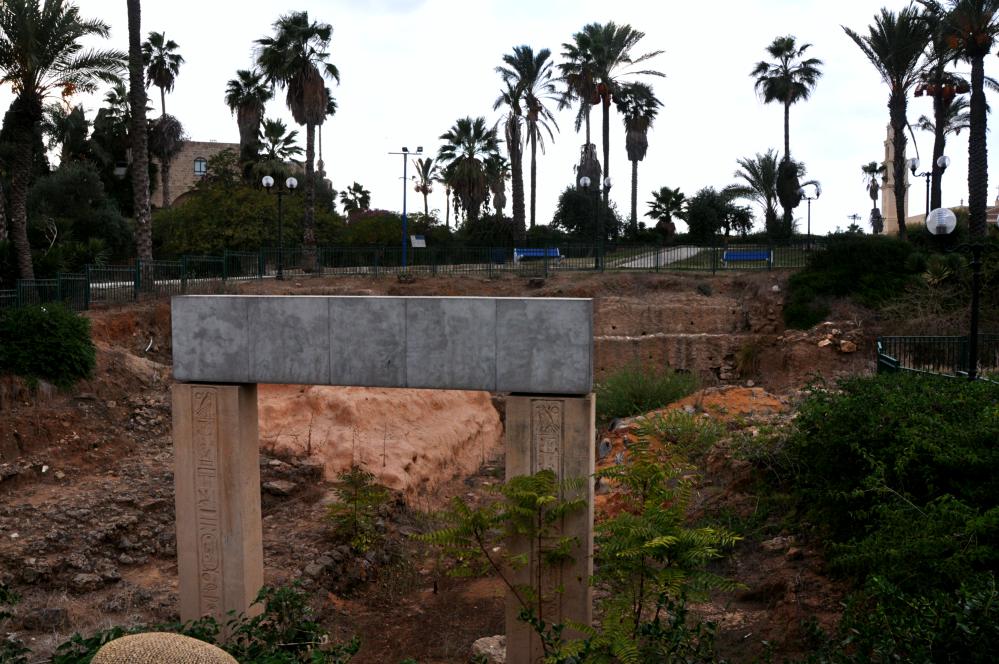
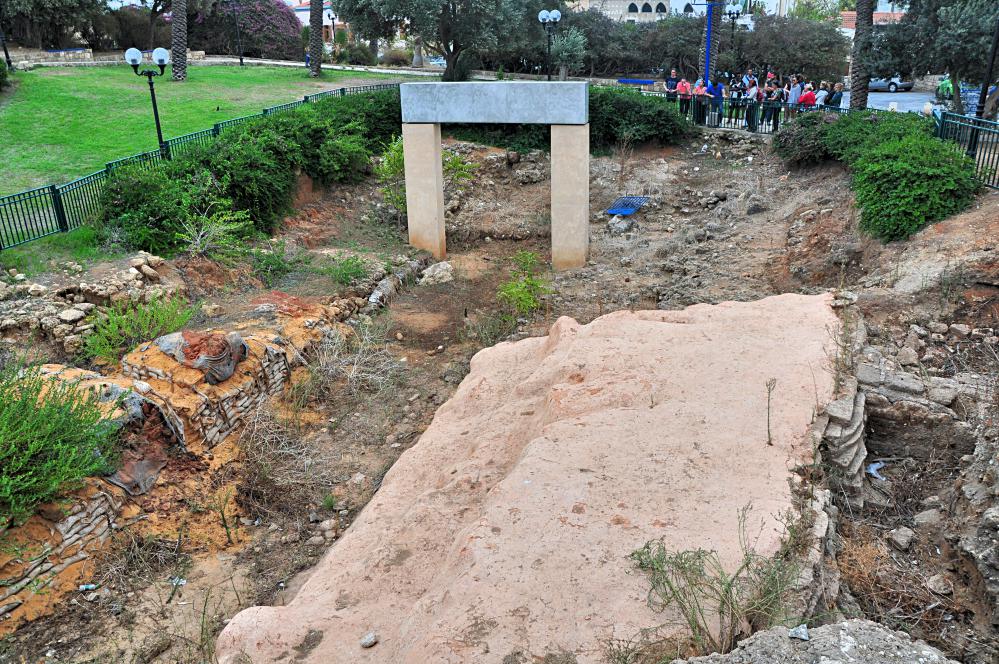
My group was able to visit Joppa as our first stop today in Israel. We enjoyed viewing the ancient harbor ruins, where long ago the prophet Jonah purchased voyage on a ship in a futile effort to run in the opposite direction from God’s charge for him to preach in Nineveh. At the traditional Church of St. Peter we read from Acts 10, remembering the events that led to the door of faith being opened to the Gentiles (Cornelius, his family & friends) by Peter, who was here at Joppa. But we were also especially interested to see the new areas of excavation.

Newly Excavated gate at Joppa, Israel. Photo by Leon Mauldin..

Newly Excavated gate at Joppa, Israel. Photo by Leon Mauldin.

Excavations at Joppa. Photo by Leon Mauldin.

Excavations at Joppa. Photo by Leon Mauldin.

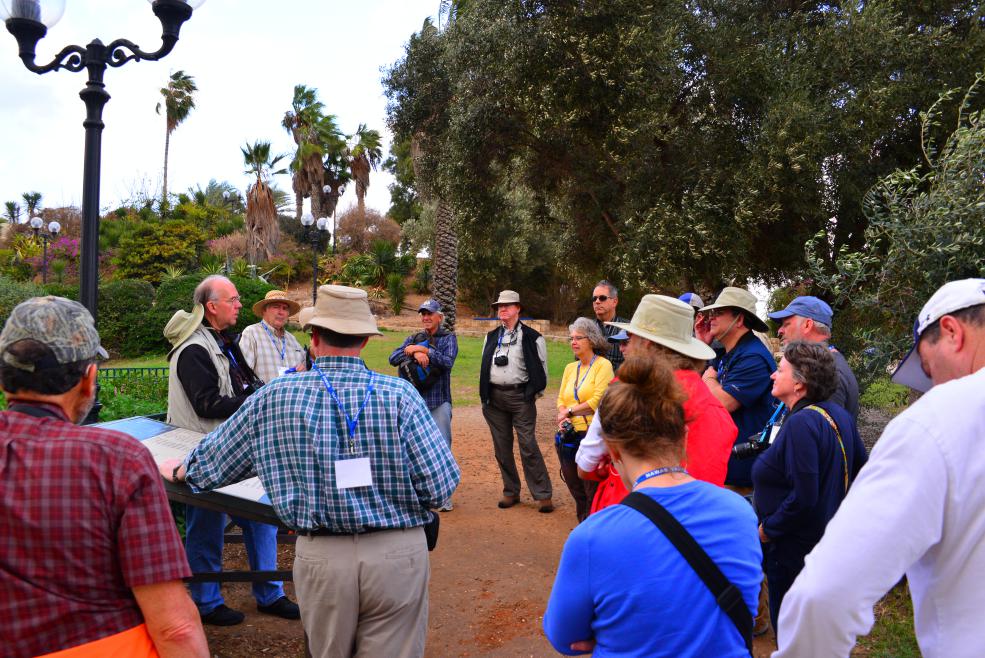
Here is a group shot at Joppa:

Leon teaching on the significance of the new excavations at Joppa gate. Photo by David Deason.

Leon teaching on the significance of the new excavations at Joppa gate. Photo by David Deason.


En Kerem, in the Hill Country of Judah

October 18, 2016

After the virgin Mary was informed by the angel Gabriel that by “the power of the Highest” she would conceive “and bring forth a Son, and shall call His name JESUS” (Luke 1:31,35), she then went to visit her relative Elizabeth, who was the then 6-months expectant mother of John the Baptist. “Now Mary arose in those days and went into the hill country with haste, to a city of Judah, and entered the house of Zacharias and greeted Elizabeth” (vv. 39-40).

The text does not specify which city of Judah in which Zacharias (the priest) and his wife Elizabeth resided. However the traditional site is that of En Kerem, located 4+ miles west of Jerusalem.

En Kerem, in the hill country of Judah, west of Jerusalem. Traditional birthplace of John the Baptist. Photo by Leon Mauldin.

En Kerem, in the hill country of Judah, west of Jerusalem. Traditional birthplace of John the Baptist. Photo by Leon Mauldin.

R. Riesner has this entry on “The Birthplace of John the Baptist”:

A literary tradition that can be traced back to the sixth century identifies the birthplace with En-Kerem (Arabic Ain Karim), seven kilometers west of Jerusalem (ELS 44ff.). Remains of two fourth-century churches indicate, however, that the tradition stretches back to a still-earlier time (GBL II.776). (Dictionary of Jesus and the Gospels, p. 34).

En Kerem, city sign. Photo by Leon Mauldin.

En Kerem, city sign. Photo by Leon Mauldin.

I’m making this post from beautiful Fair Haven, Vermont, where I’m currently presenting an 8-lesson Visualized Survey of the Bible.


The End of Wicked Athaliah

August 16, 2016

When Jehu (841 BC) killed King Jehoram (Israel) and King Ahaziah (Judah), Ahaziah’s mother, Queen-mother Athaliah (daughter of Ahab and Jezebel) moved quickly to position herself in power as ruler of Judah. Called “that wicked woman Athaliah” (2 Chron. 24:7, NIV), she killed all of her son Ahaziah’s children, her own grandchildren, and proclaimed herself ruler of Judah. Only one-year-old Joash was spared (unknown to Athaliah) by faithful priest Jehoiada and his wife Jehosheba (sister to Ahaziah! (2 Kings 1:1-3)

Jehoiada waited six years to make his move:

Now in the seventh year Jehoiada sent and brought the captains of hundreds of the Carites and of the guard, and brought them to him in the house of the LORD. Then he made a covenant with them and put them under oath in the house of the LORD, and showed them the king’s son (2 Kings 11:4).

Then on a Sabbath at the time of the shift change, so as to include all who were finishing their duties as well as those who were arriving, armed with swords, spears and shields, and surrounding young Joash, Jehoiada “put the crown on him and gave him the testimony; and they made him king and anointed him, and they clapped their hands and said, ‘Long live the king!'”

Model of Temple Mount and city of David. Bible Lands Museum, Jerusalem. Photo by Leon Mauldin.

Model of Temple Mount and city of David. Bible Lands Museum, Jerusalem. Photo by Leon Mauldin.

The inspired historian continues:

When Athaliah heard the noise of the guard and of the people, she came to the people in the house of the LORD. 14 She looked and behold, the king was standing by the pillar, according to the custom, with the captains and the trumpeters beside the king; and all the people of the land rejoiced and blew trumpets. Then Athaliah tore her clothes and cried, “Treason! Treason!” 15 And Jehoiada the priest commanded the captains of hundreds who were appointed over the army and said to them, “Bring her out between the ranks, and whoever follows her put to death with the sword.” For the priest said, “Let her not be put to death in the house of the LORD.” 16 So they seized her, and when she arrived at the horses’ entrance of the king’s house, she was put to death there. 17 Then Jehoiada made a covenant between the LORD and the king and the people, that they would be the LORD’S people, also between the king and the people. 2 Kings 11:13-17.

Our photo shows a very nice model of the temple and city of David, featured at the Bible Lands Museum in Jerusalem. This can help us visualize the setting for the events of our text of 2 Kings 11.


Jezebel’s Violent Death

August 7, 2016

I am enjoying being with the church of Christ in Chipley, FL, for a 3-day meeting conducting a Visualized Survey of the Bible. This morning we will include that challenging period of Israel’s Divided Kingdom.

Once Jehu was anointed to be king of Israel (841 BC) he immediately killed King Jehoram. But the Queen-mother Jezebel (wife of deceased King Ahab) had to be reckoned with also.

Woman Looking Out Window. Phoenician Art. Hecht Museum. Photo by Leon Mauldin

Woman Looking Out Window. Phoenician Art. Hecht Museum. Photo by Leon Mauldin

The biblical text reads:

30 When Jehu came to Jezreel, Jezebel heard of it, and she painted her eyes and adorned her head and looked out the window. 31 As Jehu entered the gate, she said, “Is it well, Zimri, your master’s murderer?” 32 Then he lifted up his face to the window and said, “Who is on my side? Who?” And two or three officials looked down at him. 33 He said, “Throw her down.” So they threw her down, and some of her blood was sprinkled on the wall and on the horses, and he trampled her under foot. 34 When he came in, he ate and drank; and he said, “See now to this cursed woman and bury her, for she is a king’s daughter.” 35 They went to bury her, but they found nothing more of her than the skull and the feet and the palms of her hands. 36 Therefore they returned and told him. And he said, “This is the word of the LORD, which He spoke by His servant Elijah the Tishbite, saying, ‘In the property of Jezreel the dogs shall eat the flesh of Jezebel; 37 and the corpse of Jezebel will be as dung on the face of the field in the property of Jezreel, so they cannot say, This is Jezebel.'” (2 Kings 9:30-37).

For the prophecy referenced by Jehu, see 1 Kings 21:23.

Our photo is from the Phoenician exhibit at the Hecht Museum at the University of Haifa, Israel. The placard dated this artifact at 8th century bc, which would be just slightly after the time of Jezebel. It well illustrates her looking out the window at Jehu before she was thrown to her death below.

Click image for larger view.


Altar at Arad, in Southern Israel

July 14, 2016

During the Mosaic Dispensation God specified that the central place of worship (for offering sacrifices, attending annual feasts, etc.) was to be the tabernacle, and later, the temple built by Solomon. The temple was located in Jerusalem (called by Jesus “the city of the great King,” Matt. 5:35).

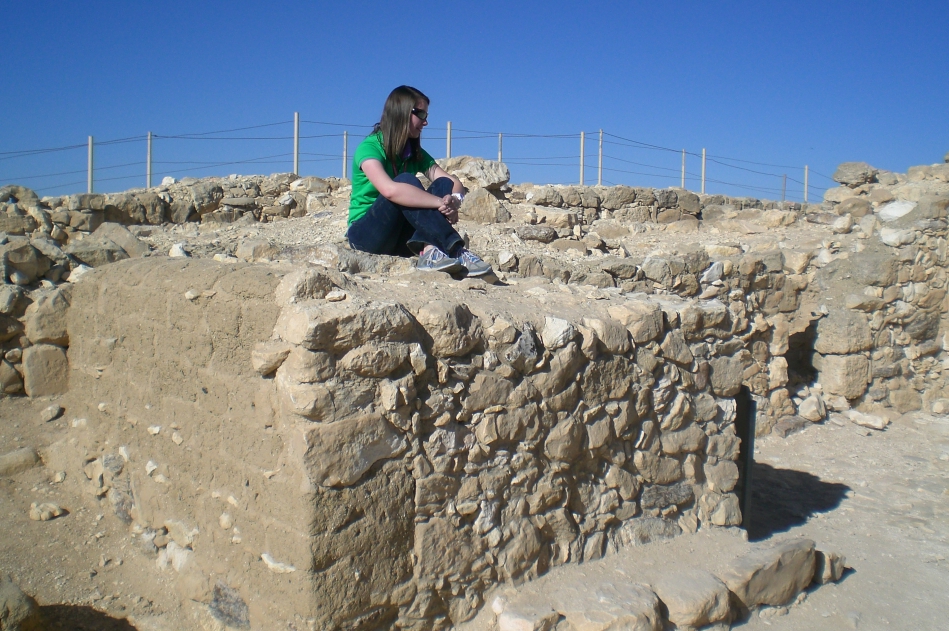
Unfortunately the will of God was not always sought and obeyed. After the death of King Solomon, Jeroboam built rival shrines at Dan and Bethel. There was also a temple built at the fortress city of Arad, to the south, east of Beersheba. The temple at Arad, built by the Israelites, was used at the same time Solomon’s temple stood in Jerusalem. Here is the altar upon which sacrifices were offered at Arad. Note the use of mud-bricks.

Altar at Israelite temple at Arad. Photo by Leon Mauldin.

Altar at Israelite temple at Arad. Photo by Leon Mauldin.

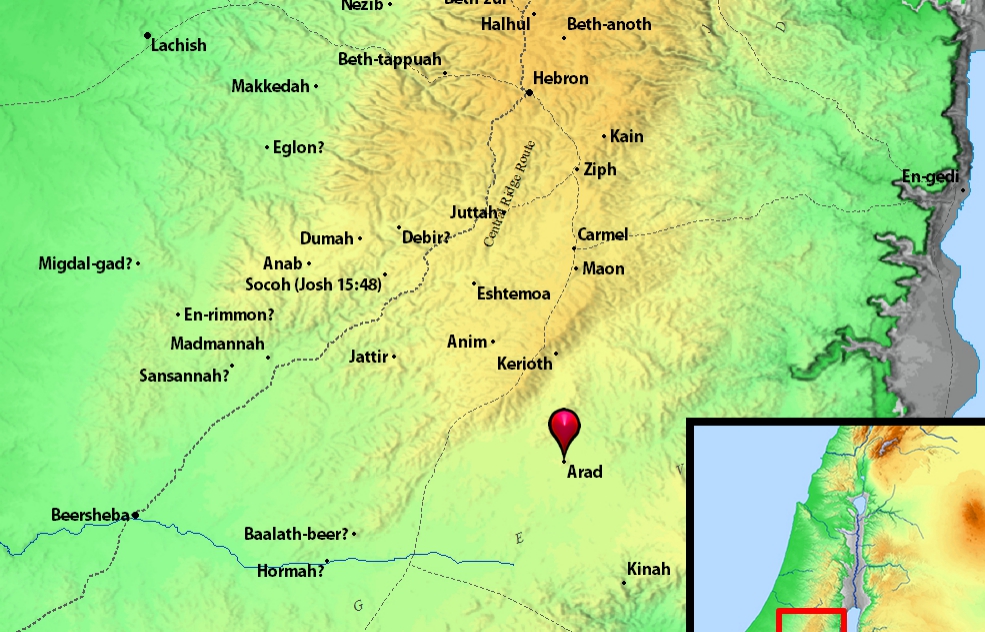
Here you can see the location of Arad.

Arad. BibleAtlas.com.

Arad. BibleAtlas.com.

Arad is mentioned five times in the Bible (Num. 21:1, etc.); however no biblical mention is made of the illicit temple there.


Sea of Galilee, at Capernaum

June 9, 2016

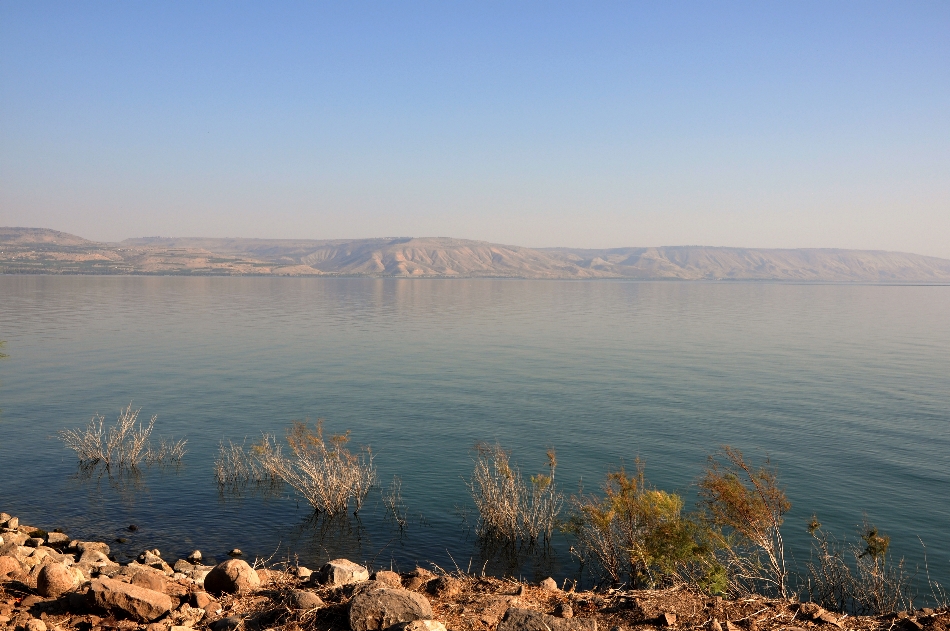
This past week was a busy week in our local congregation — our annual Vacation Bible School. The theme was “Soaring to Bible Places” and included lessons from three Old Testament and two New Testament texts. Our studies took us to Capernaum, where Jesus healed a Centurion’s servant, and commended the Centurion for his great faith (Jesus marveled!, Matt. 8:5-13). From Capernaum you have a beautiful view of the Sea of Galilee.

Sea of Galilee, looking east from Capernaum. Photo by Leon Mauldin.

Sea of Galilee, looking east from Capernaum. Photo by Leon Mauldin.

I enjoy showing photos such as this to children and adults alike, to help us visualize the setting of the biblical world. It was in this very area that Jesus did so much of His earthly ministry.


Milestones near Beth Shan

May 18, 2016

You’ve heard about “going the second mile.” In His “Sermon on the Mount” in Galilee Jesus said (in a context forbidding retaliation for evil), “And whoever compels you to go one mile, go with him two” (Matt. 5:41). In New Testament times a Roman soldier could compel a Jewish citizen (or others) to carry burdens for them. They were authorized by the Roman government to press civilians into service of this nature; such would have to carry the load for the distance of one mile, but no further.

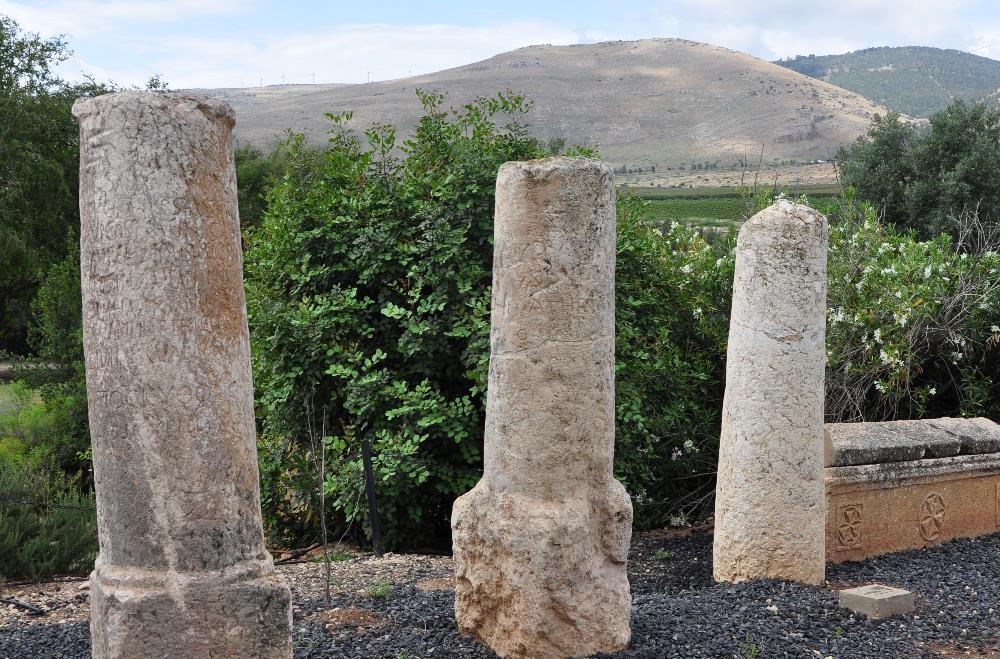
But how would you know when the mile was up? Conveniently, Roman roads had mile markers, such as these below, collected from the Beth Shan area.

Milestones from the Beth Shan area, at Gan Hashlosha National Park. Photo by Leon Mauldin.

Milestones from the Beth Shan area, at Gan Hashlosha National Park. Photo by Leon Mauldin.

Jesus tells His disciples that instead of complaining about an oppressive government, or bemoaning their victimization, they were to go an extra mile. You see, Jesus’ disciples are different; in the world, but not of the world. Who knows but that from time to time this kind of unusual conduct would cause that soldier to ask, “What makes you different; what do you have that I don’t have?” If so then as Peter said, “But sanctify the Lord God in your hearts, and always be ready to give a defense to everyone who asks you a reason for the hope that is in you, with meekness and fear; having a good conscience, that when they defame you as evildoers, those who revile your good conduct in Christ may be ashamed” (1 Pet. 3:15,16).

I’ve previously written on milestones here.


Jesus’ Galilean Ministry

May 4, 2016

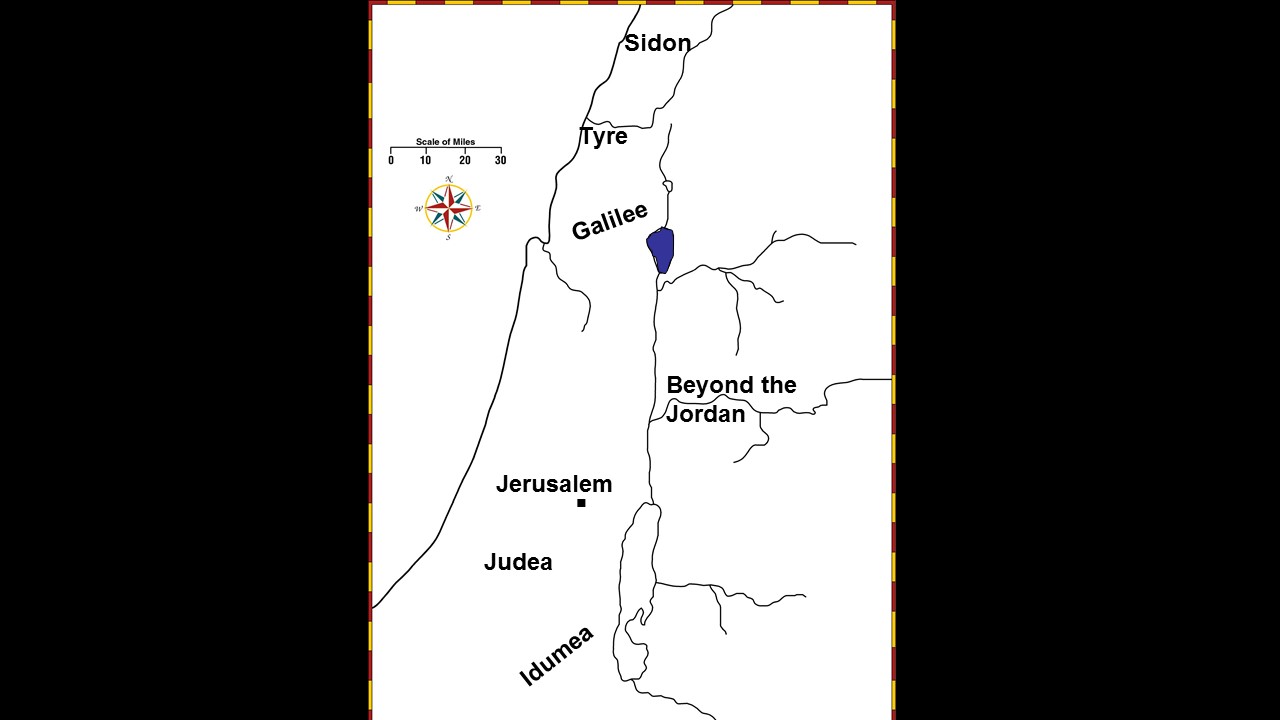
Frequently the Bible will have “summary statements,” such as is found regarding Jesus’ Galilean Ministry: ” Jesus withdrew to the sea with His disciples; and a great multitude from Galilee followed; and also from Judea, and from Jerusalem, and from Idumea, and beyond the Jordan, and the vicinity of Tyre and Sidon, a great number of people heard of all that He was doing and came to Him” (Mark 3:7-8, NASB).

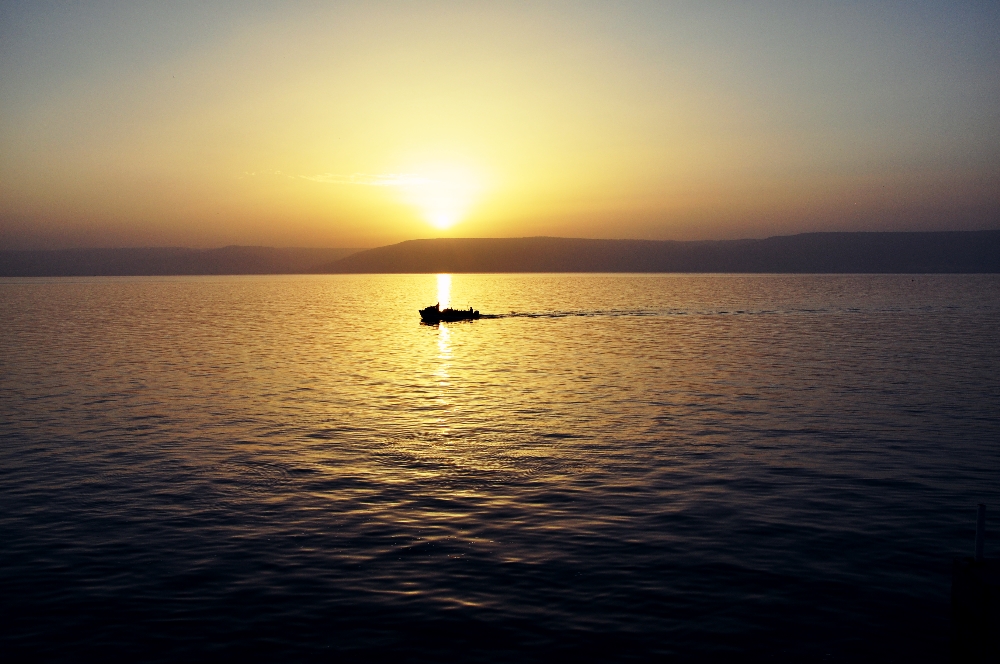
Note Jesus “withdrew to the sea,” meaning the Sea of Galilee, which is really a fresh water lake fed by the Upper Jordan. Its surface is currently 696 feet below sea level. Here see a sunrise view I photographed last month:

Sunrise at the Sea of Galilee. Photo ©Leon Mauldin.

Sunrise at the Sea of Galilee. Photo ©Leon Mauldin.

I labeled this blank map to show all the sites mentioned in these two verses.

Map, areas mentioned in Mark 3:7-8. Blank map by Bob Waldron & Scott Richardson.

Map, areas mentioned in Mark 3:7-8. Blank map by Bob Waldron & Scott Richardson.

The text is saying that people from all of these areas came to hear and see Jesus when He “withdrew to the sea.” Mark records the above portion of Jesus’ ministry immediately before he narrates Jesus’ selection and appointment of the twelve apostles.


Elijah Fled to Beersheba

May 1, 2016

In the 1 Kings narrative of the prophet Elijah and his dealings with wicked Ahab & Jezebel, YHWH proved dramatically on Mt. Carmel that He was the true God, answering Elijah’s prayer by sending fire on the mountain to devour the sacrifice. The Baal prophets who were present were destroyed. The 3 1/2 year drought ended, showing God, not Baal, controlled the rain (1 Kings 18).

While one might expect that this would be a real turning point for the spiritual condition of Israel, such was not the case. Jezebel’s response: “Then Jezebel sent a messenger to Elijah, saying, “So may the gods do to me and even more, if I do not make your life as the life of one of them by tomorrow about this time” (19:2).

Elijah then had a very real struggle with fear and depression. His response: “And he was afraid and arose and ran for his life and came to Beersheba, which belongs to Judah, and left his servant there. But he himself went a day’s journey into the wilderness, and came and sat down under a juniper tree; and he requested for himself that he might die, and said, ‘It is enough; now, O LORD, take my life, for I am not better than my fathers'” (19:3-4).

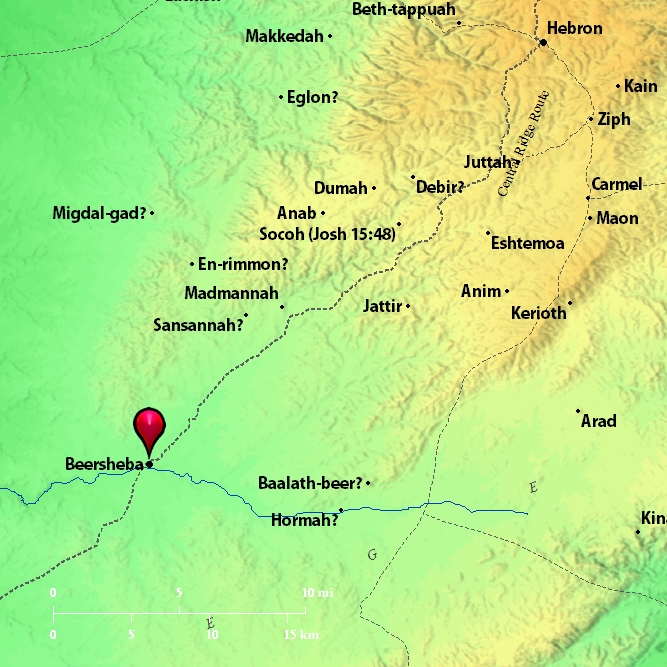
Beersheba is located in the Negeb, the south of Israel.

Beersheba. BibleAtlas.com

Beersheba. BibleAtlas.com

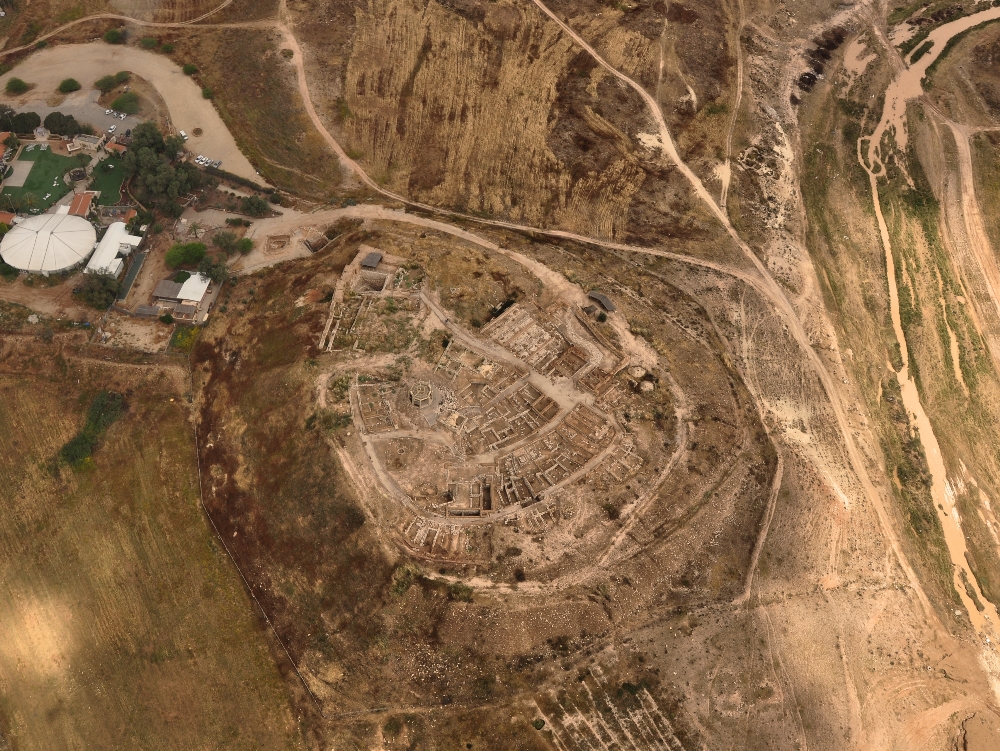
Last month I had opportunity to take some aerial photos of Beersheba.

Aerial photo of Beersheba. Photo by Leon Mauldin.

Aerial photo of Beersheba. Photo by Leon Mauldin.

We have previously posted on Beersheba here here here and here.