Early Aegean civilization developed on island of Crete. The king was called “minos” and the people of Crete became known as Minoans.
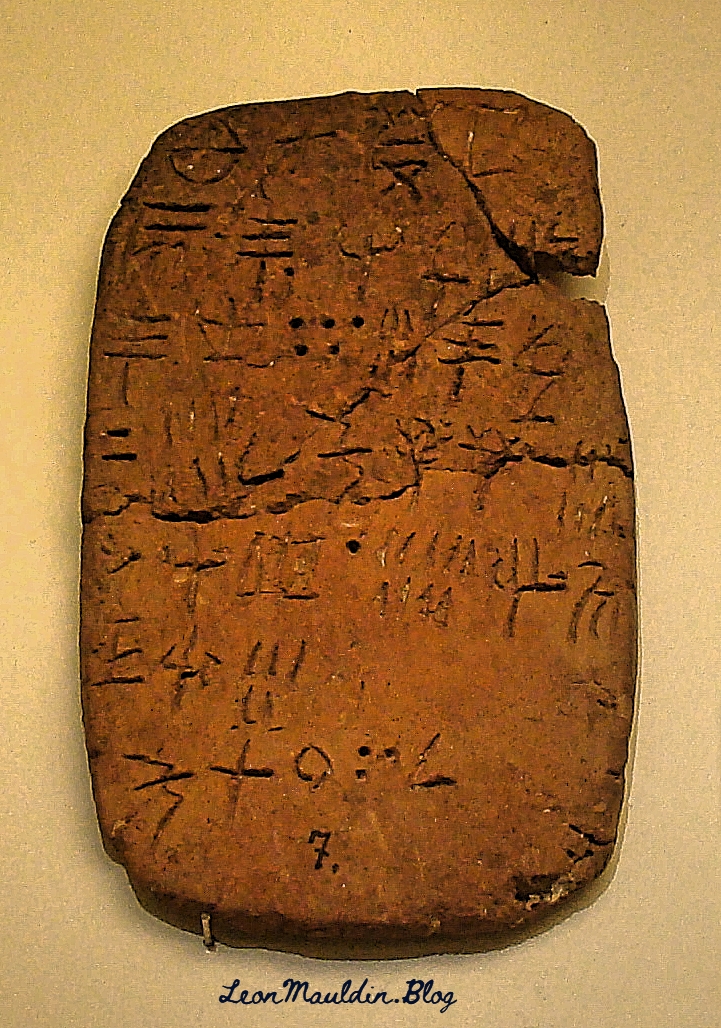
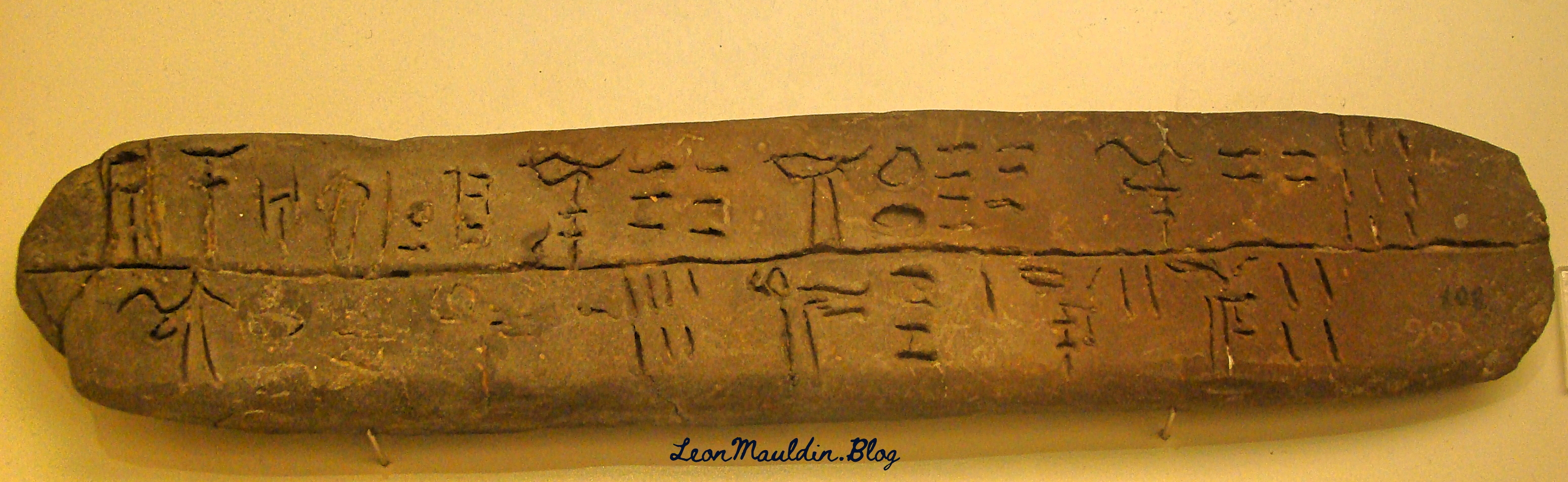
Some of the earliest writing can be traced to the Minoans. They developed three types of writing which included Linear Script A, B, and C. Linear Script B was a combination of Cretan and Greek scripts and is the only one to be translated.
The Heraklion Archaeological Museum in Knossos, Crete, has displays of some of these early scripts.
Linear Script A. This writing system was used by the Minoans of Crete from ca. 1800 to 1450 BC. This writing system was not in the Egyptian and Mesopotamian systems.
Linear Script B. This is script is said to be the earliest attested form of the Greek language. The earliest known examples are dated ca. 1450 BC. This script was deciphered in 1952 by Michael Ventris, who based his work on that of Alice Kober.
In our local congregation we are continuing to explore the Seven Churches of Asia, of Revelation 2-3. John the Apostle received the Revelation on the Island of Patmos.
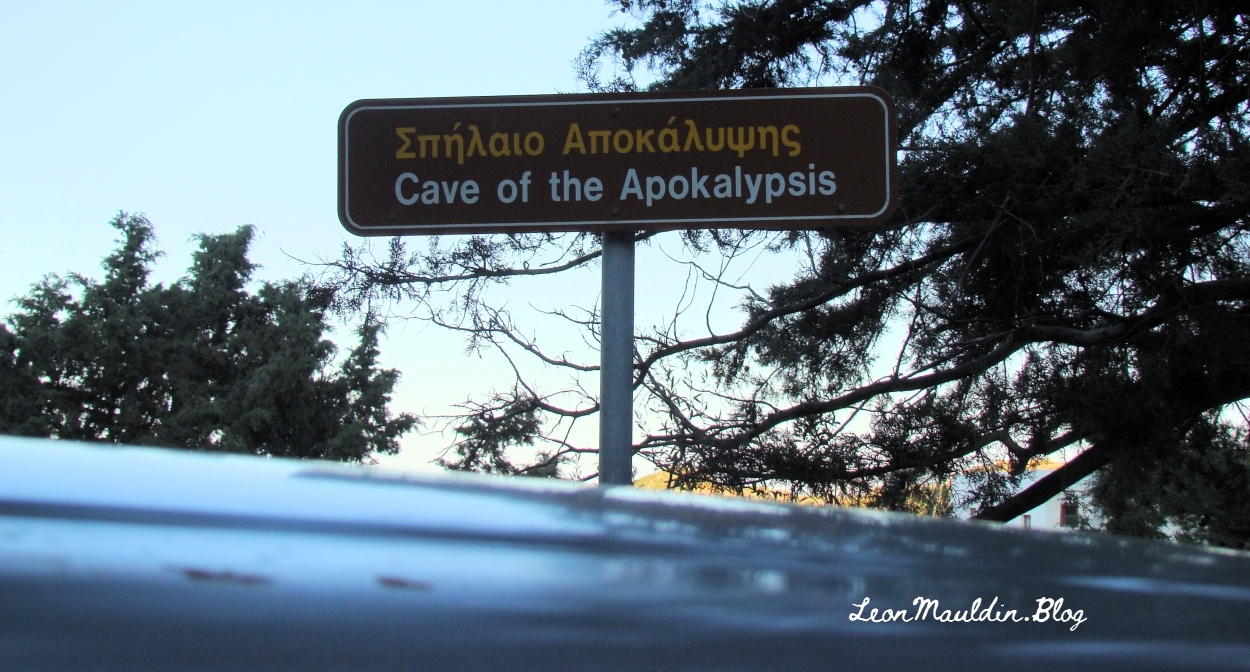
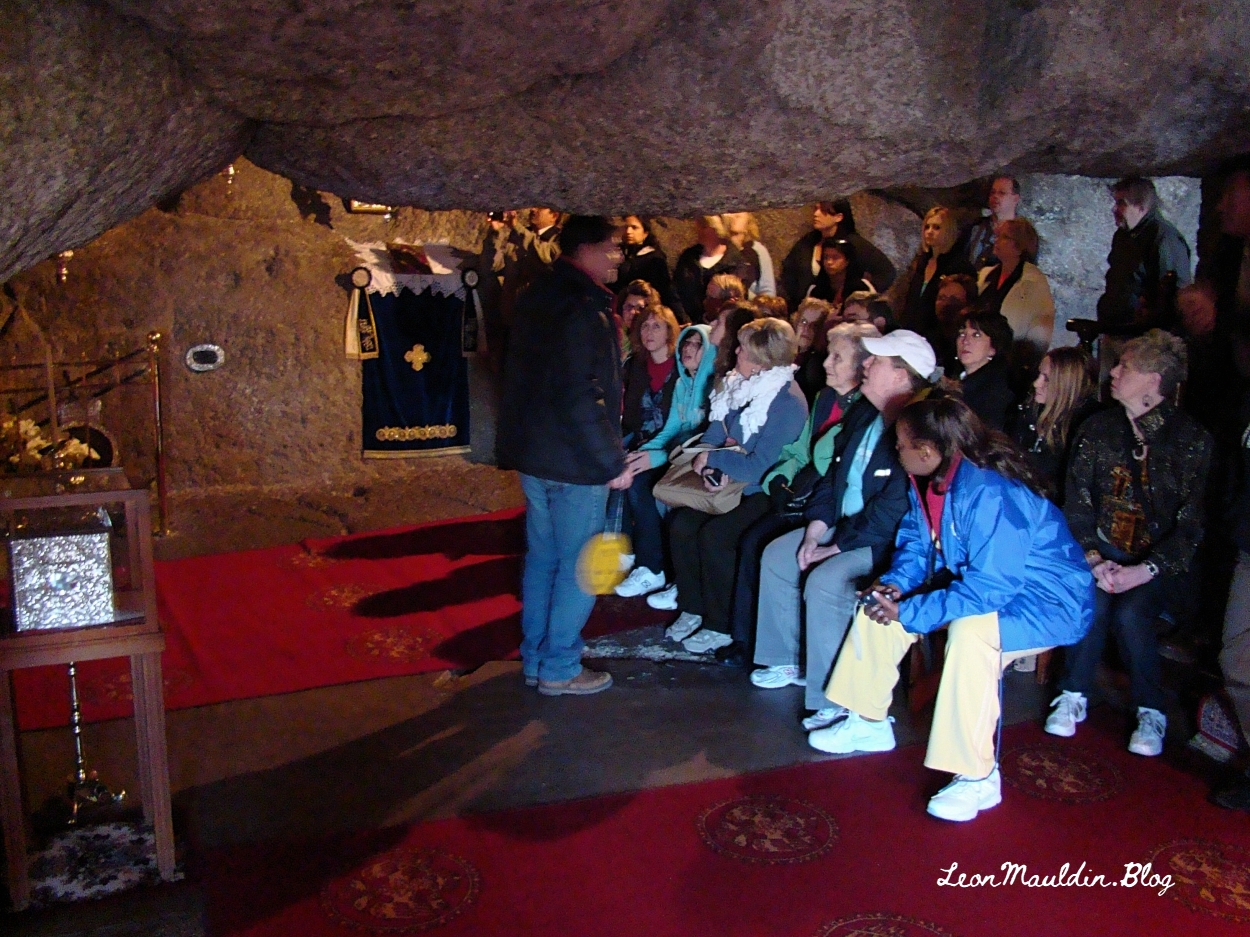
While we cannot know the exact spot on the island where John was when he was “in the Spirit on the Lord’s Day” and told, “What you see, write in a book and send it to the seven churches which are in Asia” (Rev. 1:10-11), visitors to Patmos are shown a “traditional” location, known as the “Cave of the Apocalypse.”
The church at Pergamum lived “where Satan’s throne is . . . where Satan dwells (Rev. 2:13). There have been many suggestions as to the basis of this designation. Pergamum was known for its worship of Asklepios (god of healing), Serapis, Athena, Dionysus, Demeter, as well as being a center for the Imperial Cult (emperor worship).
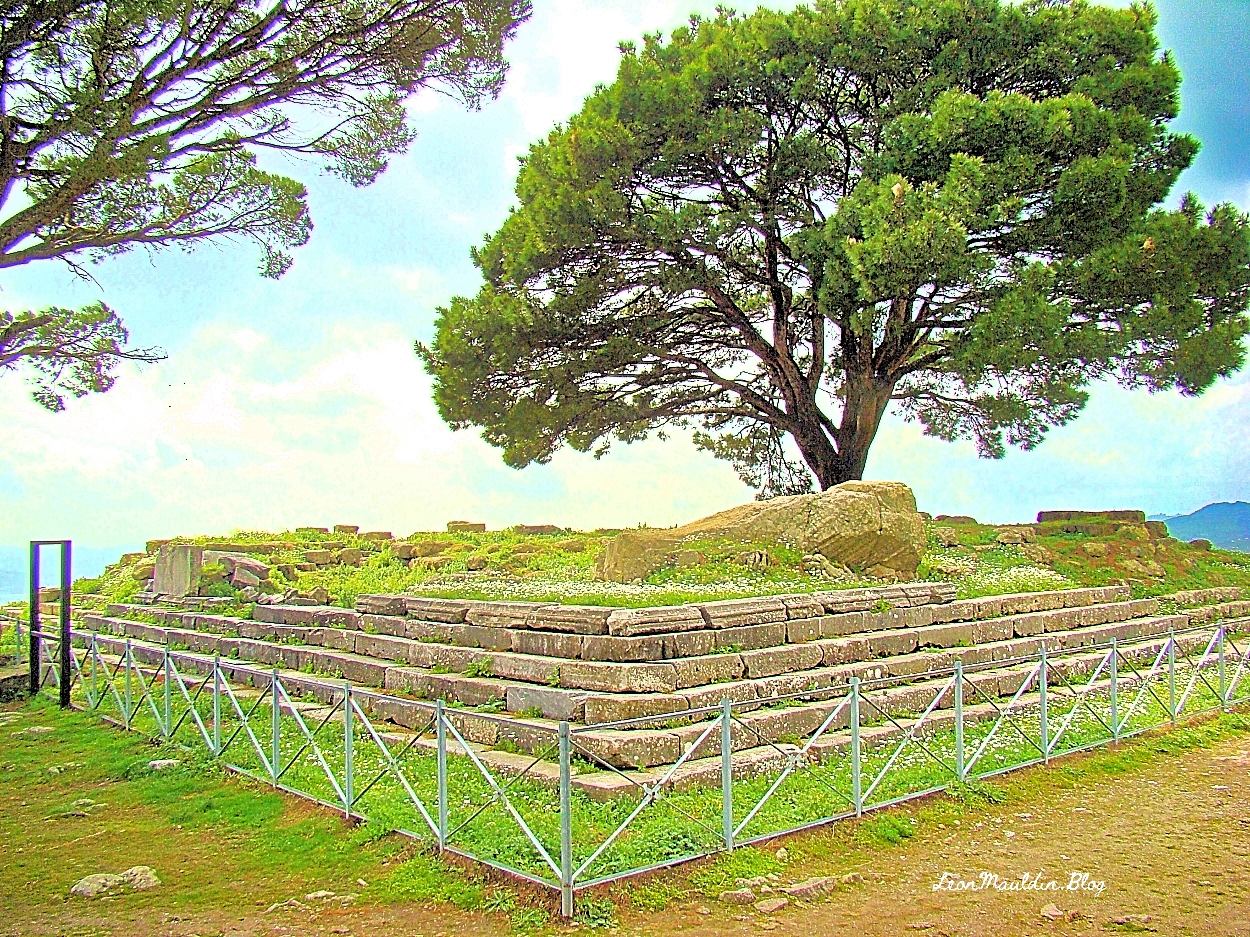
David A. DeSilva suggests: “[T]he distinctive altar of Zeus on the brow of the acropolis may have been more in John’s view” (The Social and Geographical World of Pergamum (Revelation 1:11; 2:12–17). In B. J. Beitzel, J. Parks, & D. Mangum (Eds.), Lexham Geographic Commentary on Acts through Revelation (p. 638). Lexham Press).
The altar of Zeus, located on the southern crest of the acropolis, was without a doubt the most distinctive and most prominently visible structure overlooking Pergamum. Construction was begun in the early- to mid-second century BC under Eumenes II, possibly in connection with his victory over the invading Galatians. The massive throne-like altar complex resembled an open-air temple, complete with columned porticoes surrounding its staircase and inner courtyards. The whole had a footprint of about 120 by 110 feet (36.5 × 33.5 m), and it rose to a height of 40 feet (12 m). The sacrificial altar proper sat within the inner courtyard, which was approached by a wide, grand staircase. The reconstructed monument now sits in the Pergamum Museum in Berlin. The altar was adorned with nearly four hundred linear feet (122 m) of frieze, its scenes carved about seven feet (2 m) high. The frieze around the structure’s perimeter depicted the mythological battle between the Olympian gods and the giants, with Zeus and Athena prominently featured on the front side. An interior frieze told the story of Telephus, the mythic founder of Pergamum. An L-shaped agora or forum was set just below the precincts of the altar of Zeus. The identification of some of the buildings as warehouses makes it likely that this particular forum served as a commercial center in the old city.
deSilva, D. A. (2019). The Social and Geographical World of Pergamum (Revelation 1:11; 2:12–17). In B. J. Beitzel, J. Parks, & D. Mangum (Eds.), Lexham Geographic Commentary on Acts through Revelation (pp. 645–646). Lexham Press.
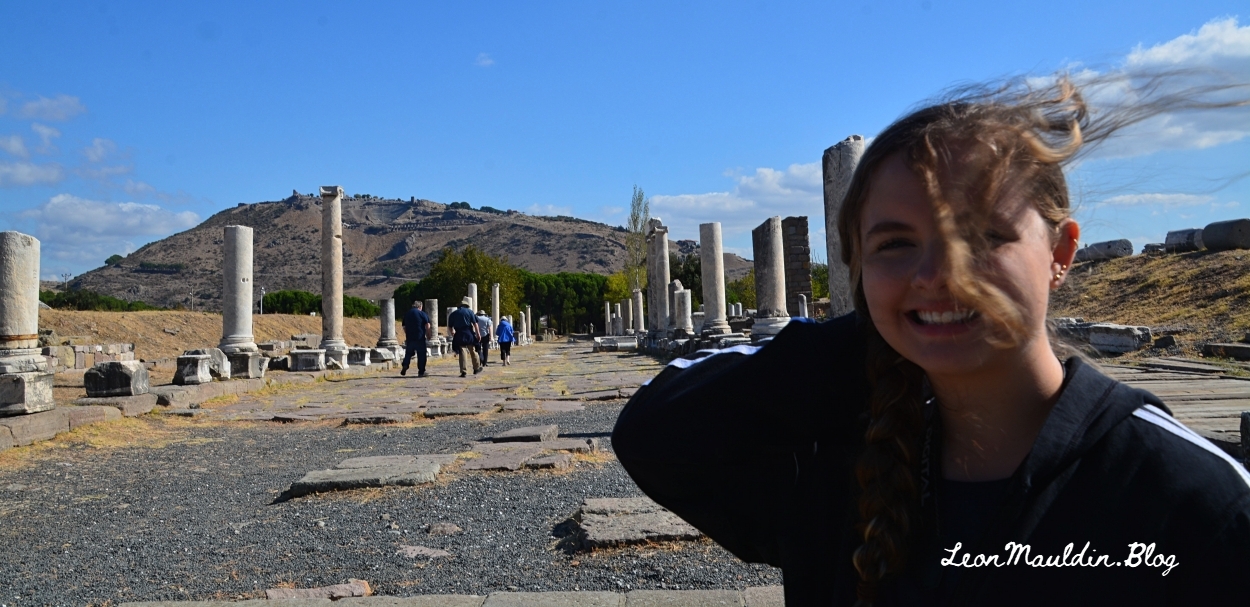
Here is a photo of the acropolis of Pergamum, with the Asklepion at our back. Sometimes it gets windy on our tours (as my granddaughter can attest).
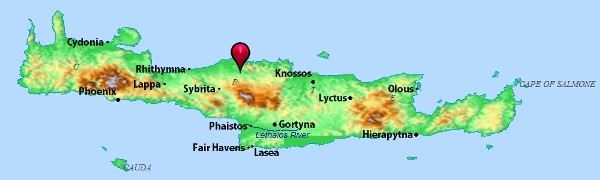
After the Apostle Paul left the younger evangelist Titus at Crete, he wrote, “For this reason I left you in Crete, that you should set in order the things that are lacking, and appoint elders in every city as I commanded you” (Titus 1:5). There were many cities (Greek polis) on the island of Crete, as can be seen from this map by bibleatlas.org:
In each of these cities where congregations of Christians were established, qualified men were to be appointed to serve as elders (bishops, pastors are biblically interchangeable terms). The list of qualifications was given as follows:
if a man is blameless, the husband of one wife, having faithful children not accused of dissipation or insubordination. For a bishop must be blameless, as a steward of God, not self-willed, not quick-tempered, not given to wine, not violent, not greedy for money, but hospitable, a lover of what is good, sober-minded, just, holy, self-controlled, holding fast the faithful word as he has been taught, that he may be able, by sound doctrine, both to exhort and convict those who contradict.
Titus 1:6-9
The archaeological excavations of Arthur Evans at Knossos got underway in 1900. He is credited with inventing the term “Minoan,” naming the civilization after King Minos, who ruled the island of Crete, according to legend.
A deity worshiped by the Minoans was the bull. In the Biblical Archaeology Society publication (2008), Island Jewels: Understanding Ancient Cyprus and Crete, we read:
Again, we rely on the evidence of frescoes and gems that show how the Minoans practiced an astonishing ritual that consisted of grasping a bull by its horns and leaping over its back. When we add this to the ubiquity of stylized bulls’ horns, so-called “horns of consecration,” as well as the bull’s head rhyta (drinking vessels; singular, rhyton) and vivid portraits of individual beasts, there can be no doubt that the Minoans treated the bull with deep reverence…The bull may well have represented the young male consort of the goddess of love, a pattern that recurs throughout the ancient near east from Tammuz and Ishtar to Venus and Adonis, although if this is the case we cannot even give names to the Cretan versions of the divine couple (pp. 49-59).
BAS
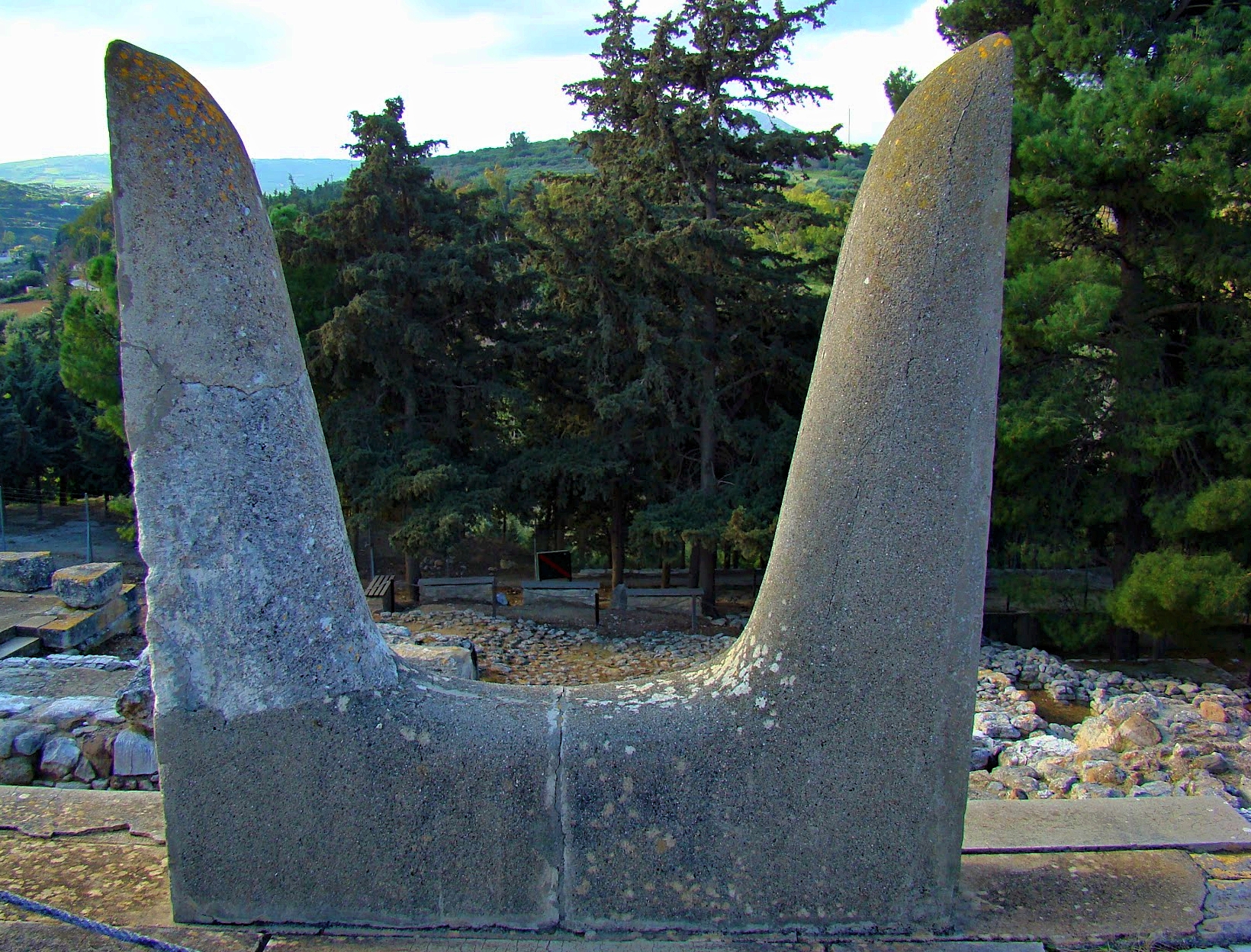
In keeping with this information, note our photo of the gigantic bull’s horns below:
It is thought by many that these restored horns symbolized the sacred bull, and that they once adorned the top of the palace at Knossos, Crete.
The palace at Knossos was the largest of the Minoan palaces and served as the home of the legendary king Minos. This palace complex was named and excavated in 1900 by the Englishman Arthur Evans. Arthur Evans is also responsible for naming this sculpture-like object which resembles the horns of a bull, as “”horns of consecration.”” The horns in this slide, which are located outside the South Propylaea at the Knossos complex, are a 20th century reconstruction. Different depictions of horns of consecration can be found throughout Minoan culture, such as on Minoan sarcophagi. Overall, the bull was considered to be a sacred animal in ancient Crete, playing a large role in religious rituals. Since Evans, scholars and archaeologists have debated the true function and meaning of the horns of consecration. One scholar has suggested that these horns were used as seats of honor for nobility or gods. Other scholars have thought that the horns originally served as a pot-support in a hearth. Today, there is still a lack of consensus among scholars as to the function of these horns.
We are very sorry to learn of today’s earthquake in the Aegean which has resulted in multiple deaths, 12 in Izmir, on the western coast of Turkey, and 2 (teenagers) on the Greek island of Samos, as well as 400+ injuries. Our thoughts and prayers go out on behalf of those impacted by this tragedy.
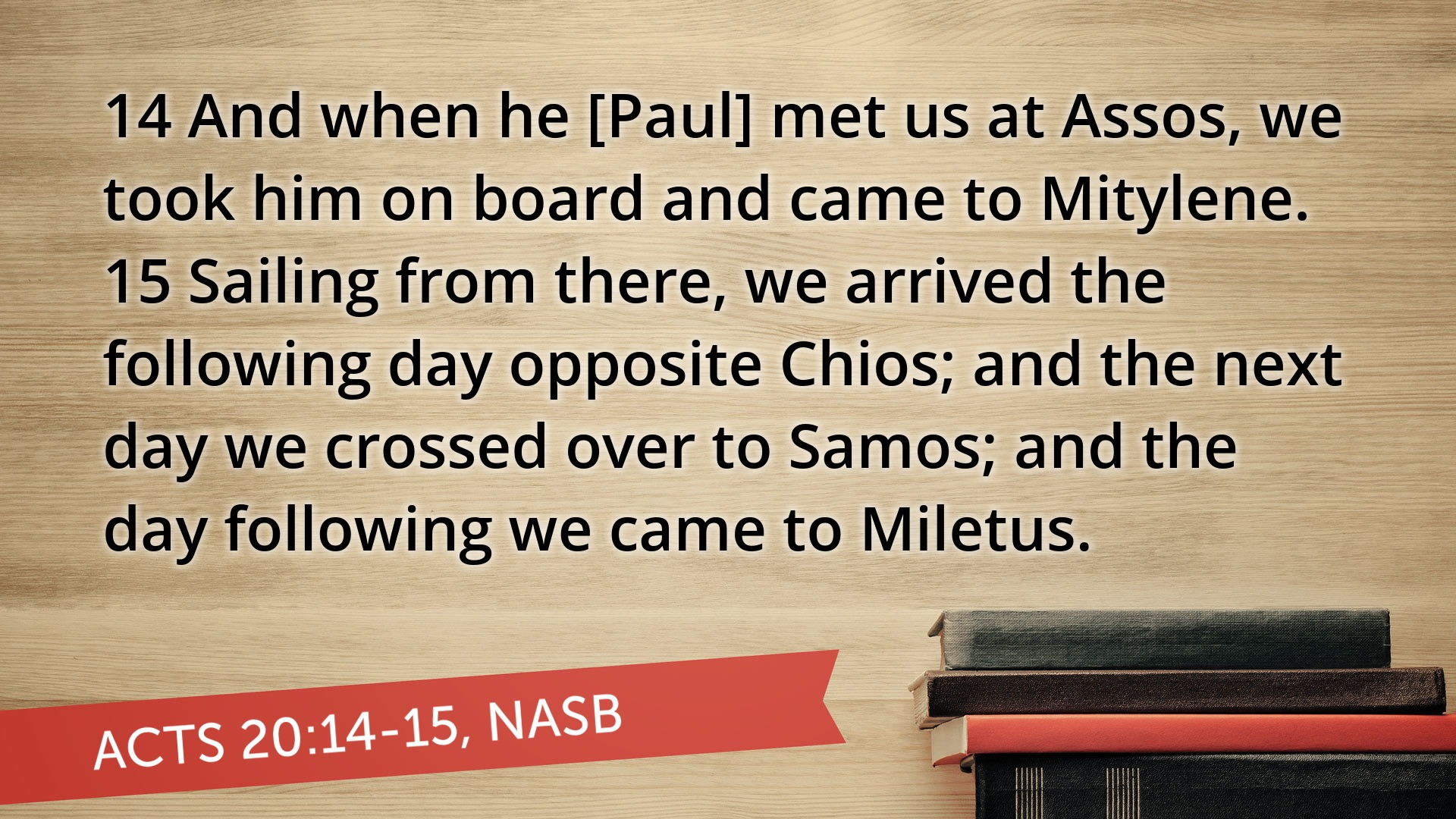
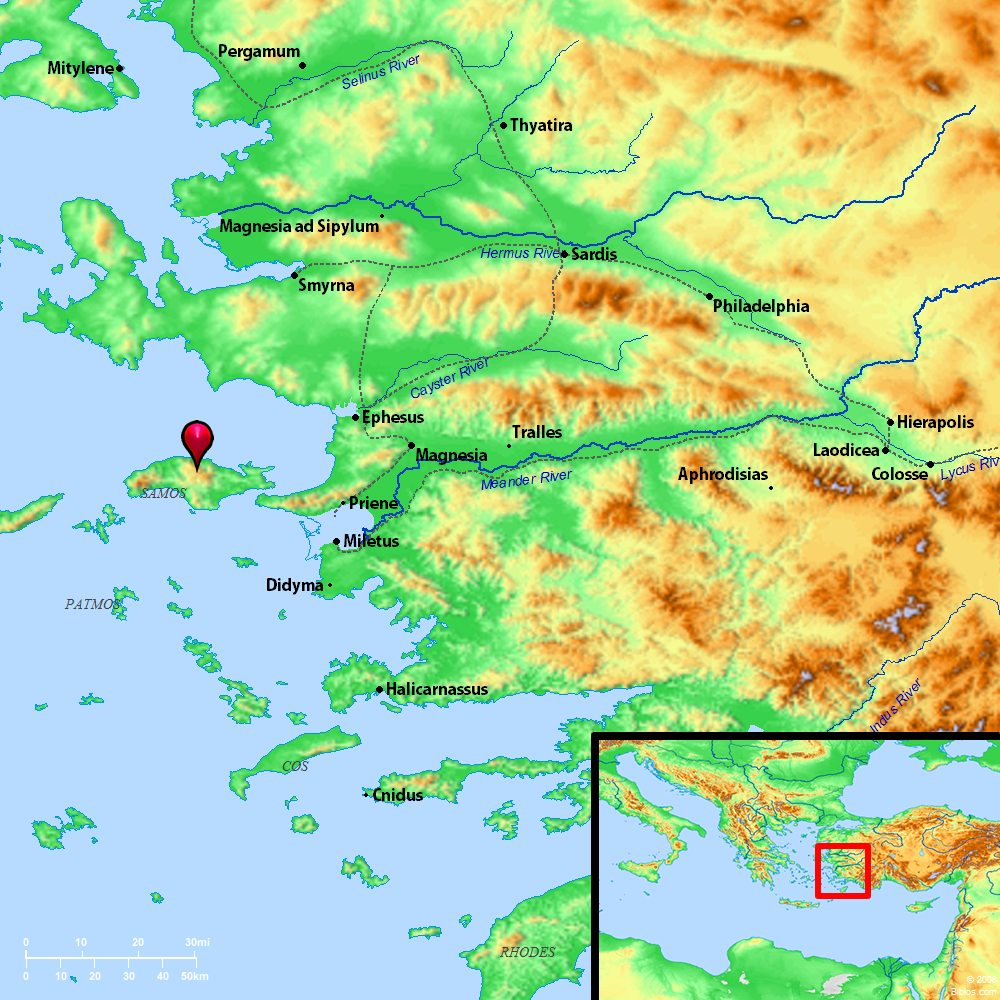
The island of Samos is of interest to Bible students because of its mention in Acts 20:15, in the context of Paul’s return on his 3rd Missionary Journey, making his way back to Jerusalem.
Acts 20:14-15. Only biblical mention of Samos.
Samos is a
Place-name meaning “height.” Small island (only 27 miles long) located in the Aegean Sea about a mile off the coast of Asia Minor near the peninsula of Trogyllium. In the strait between Samos and the mainland, the Greeks defeated the Persian fleet about 479 B.C. and turned the tide of power in the ancient Near East. Traveling from Jerusalem to Rome, Paul’s ship either put in at Samos or anchored just offshore (Acts 20:15). (Holman Illustrated Bible Dictionary, p.1438).
The rendering of the ESV on Acts 20:15 is: “And sailing from there we came the following day opposite Chios; the next day we touched [emp. mine, L.M.] at Samos; and the day after that we went to Miletus.” They could have just stayed overnight in the ship in the harbor, departing the next morning, or they could have deboarded the ship to actually be on the island itself (briefly of course). The text does not say.
Though the biblical text only mentions Samos this once (Acts 20:15), I welcome the opportunity to visit such sites, and to be able to share photos and use such in teaching.
I had occasion to make a brief visit to Samos in 2006, along with friend Ferrell Jenkins, when we were en route to Kuşadasi. See his article here. Samos is just off the western coast of Asia Minor. There are impressive remains of a temple devoted to the goddess Hera at Samos (see Fant & Reddish, pp. 118-125), but our limited time at Samos that day did not permit our seeing this.
Location of Samos. Map by BibleAtlas.Org.
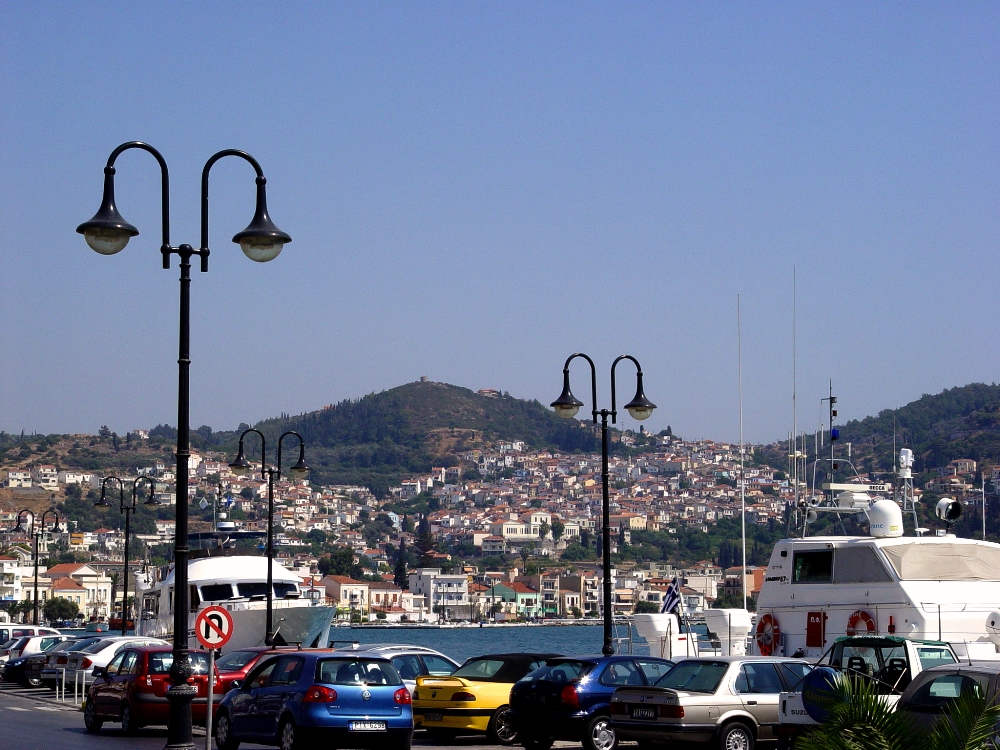
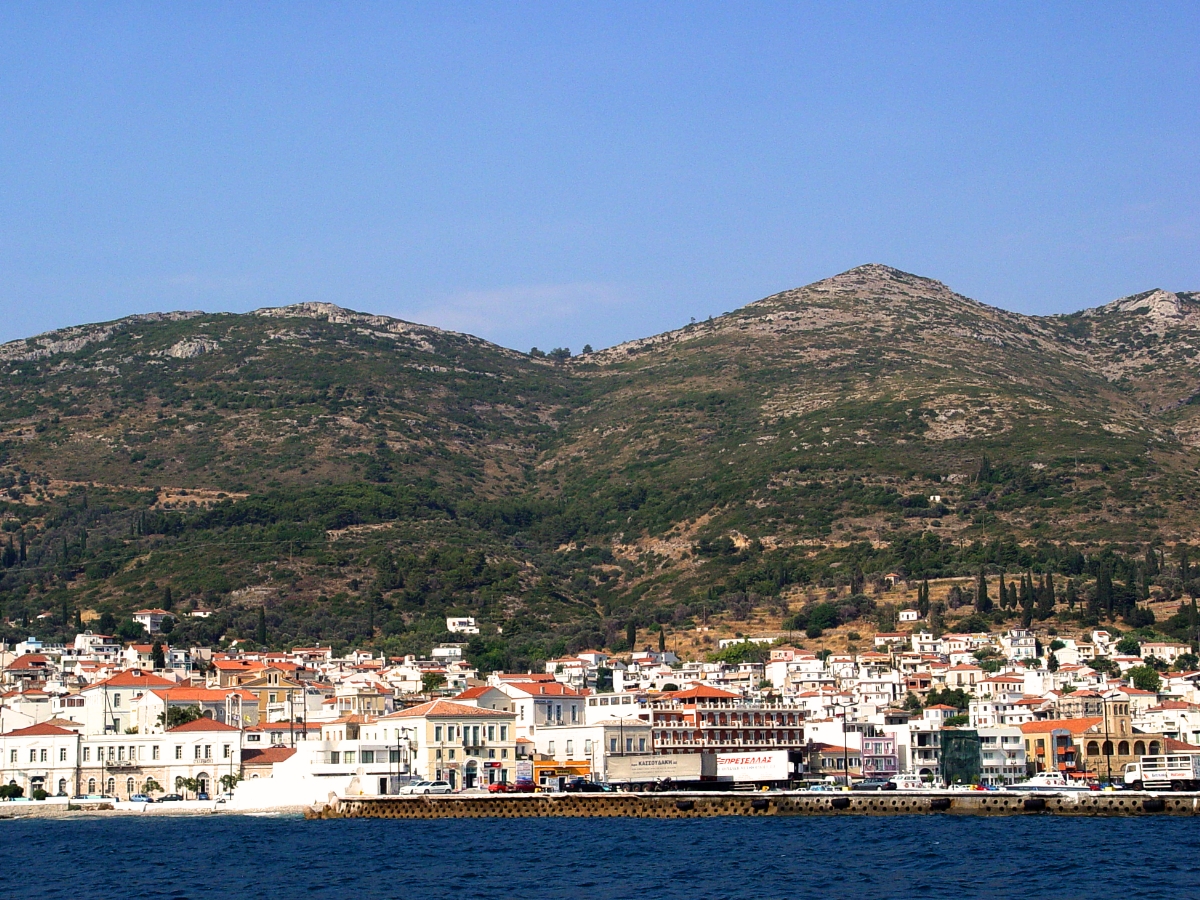
Samos, at modern harbor. Photo by Leon Mauldin.
Mountains of Samos as seen from the Aegean Sea. Photo by Leon Mauldin.
On that trip we had flown from Athens, Greece to Samos, then we took the ferry from Samos to Kuşadasi, Turkey, which would serve as our “base” while we visited nearby Ephesus and other biblical sites.
On the 1st Missionary Journey, the Apostle Paul accompanied by Barnabas first preached in Salamis on the island of Cyprus: “So, being sent out by the Holy Spirit, they went down to Seleucia and from there they sailed to Cyprus. When they reached Salamis, they began to proclaim the word of God in the synagogues of the Jews; and they also had John as their helper” (Acts 13:4,5).
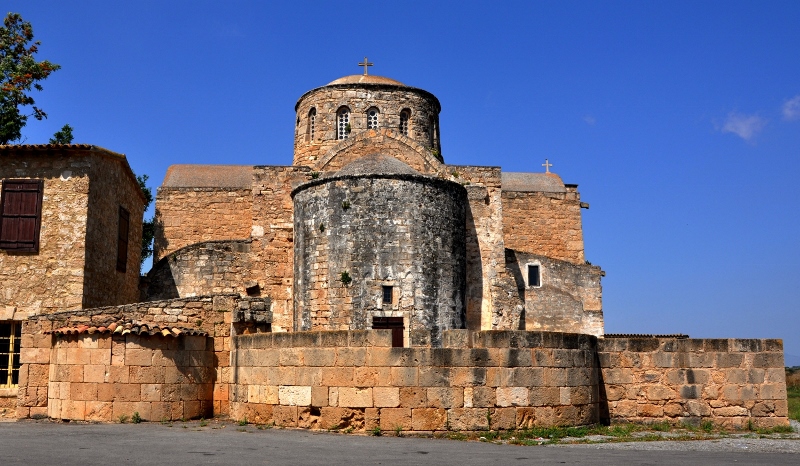
Our photo shows the “Monastery of St. Barnabas,” at Salamis, Cyprus. While the monastery itself is not a “biblical site” its presence bears testimony to the fact that Barnabas was indeed here.
Salamis, Cyprus. Monastery of St. Barnabas. Photo by Leon Mauldin.
The Biblical Archaeological Society has this information:
This monastery dedicated to St. Barnabas at Salamis, Cyprus, marks the first stop on Paul’s initial missionary journey. The earliest buildings of the monastery date to 477 C.E.
Perhaps Paul and Barnabas went first to Cyrus because it was Barnabas’s homeland (Acts 4:36), perhaps also because the island is large and strategically located. Cyprus served as a stepping stone on the trade routes that crossed the eastern Mediterranean. Archaeological remains from as early as the Early Bronze Age (3rd millennium B.C.E.) show it to have been a cultural meeting ground and “melting pot” for the successive cultures that flourished on all sides of it.
Salamis was the main port and principal city of the island in the Roman age. Located about five miles north of modern Famagusta, on its great bay, the city has yielded extensive Roman remains, including a theater, gymnasium, baths and a forum.
Paul’s visit to Salamis established a pattern for his missionary strategy that would continue through the rest of his travels. Heading for the major city of the region, Paul went immediately to proclaim the new “word of God” in the Jewish synagogues (Acts 13:5). We know from literary accounts that Jews settled in Salamis at least as early as the 3rd century B.C.E., and at such a flourishing city there undoubtedly would have been several synagogue communities. (BAS Biblical World in Pictures, 2003).
See our previous article on the theater in Salamis here.
The metaphor of clay in the potter’s hand is sometimes used in the Bible to show the sovereignty of God, and His almighty power in accomplishing His plan and purpose. Additionally it is seen that we have a choice in yielding/submitting and thus becoming vessels of honor, whereas the disobedient become vessels of dishonor (2 Tim. 2:20), described as “vessels of wrath prepared for destruction.”
Such figures as the potter and the clay were familiar to those living in the biblical world, much more so that for most of us today.
Error
This video doesn’t exist
I filmed this potter as he made a vessel of clay. This was in Lindos, on the island of Rhodes (Rhodes is mentioned in Acts 21:1, in the context of Paul’s return trip on his 3rd missionary journey).
In Jeremiah 18, the prophet Jeremiah was told to go to the potter’s house, where he was to see an object lesson: “Look, as the clay is in the potter’s hand, so are you in My hand, O house of Israel!” (v.8).
I’m mindful of the words of the song, “Have Thine Own Way, Lord”:
1. Have thine own way, Lord! Have thine own way!
Thou art the Potter, I am the clay.
Mold me and make me after Thy will,
While I am waiting, yielded and still.
2. Have thine own way, Lord! Have thine own way!
Search me and try me, Savior today!
Wash me just now Lord, wash me just now,
as in thy presence humbly I bow.
3. Have thine own way, Lord! Have thine own way!
Wounded and weary, help me I pray!
Power, all power, surely is thine!
Touch me and heal me, Savior divine!
4. Have thine own way, Lord! Have thine own way!
Hold o’er my being absolute sway.
Fill with thy Spirit till all shall see
Christ only, always, living in me!
I had earlier posts on Rhodes here, here and here.
My one desire: to be an obedient vessel molded by ‘El Shaddai, used for His glory.
Last March our group tour included the Mediterranean islands of Patmos, Rhodes and Crete, and we have made posts of photos w/info for each of these. Additionally, the island of Santorini, also know as Thira, was included.
Santorini is grouped with the Cyclades islands in the Aegean which are essentially the mountain peaks of the sunken continent of Aegeis. The word “Cyclades” is derived from the word Delos, the sacred island of the ancient Greeks.
The Cyclades are geographically positioned as a bridge between East and West, and accordingly played an important role in the history of the Greek World. Civilization is traced back to the Bronze Age, the most important of which was located at Akrotiri on Santorini. Ruins in excellent condition have been preserved, due to the eruption of the volcano of Thera (ca. 1500 BC), which covered the site with a thick layer of ash. Evidence abounds of an advanced culture, assimilating that of the Minoans of Crete.
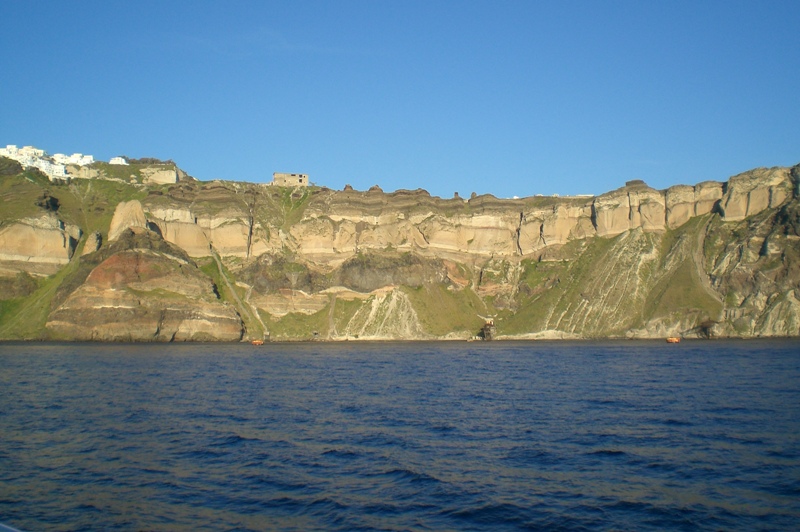
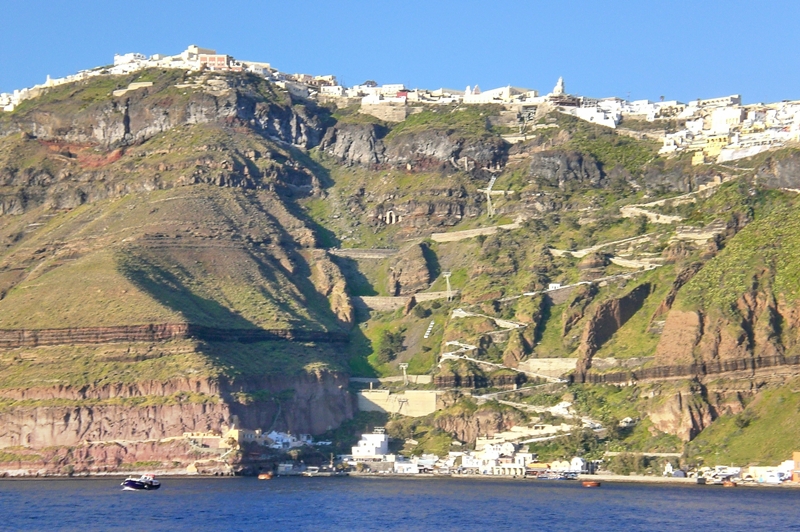
Santorini is a unique sight. Its cliffs tower out of the sea, capped off by whitewashed buildings. At center of photo you can see towers for the sky-lift; also the zig-zag road for walking, or riding donkeys.


 Posted by Leon Mauldin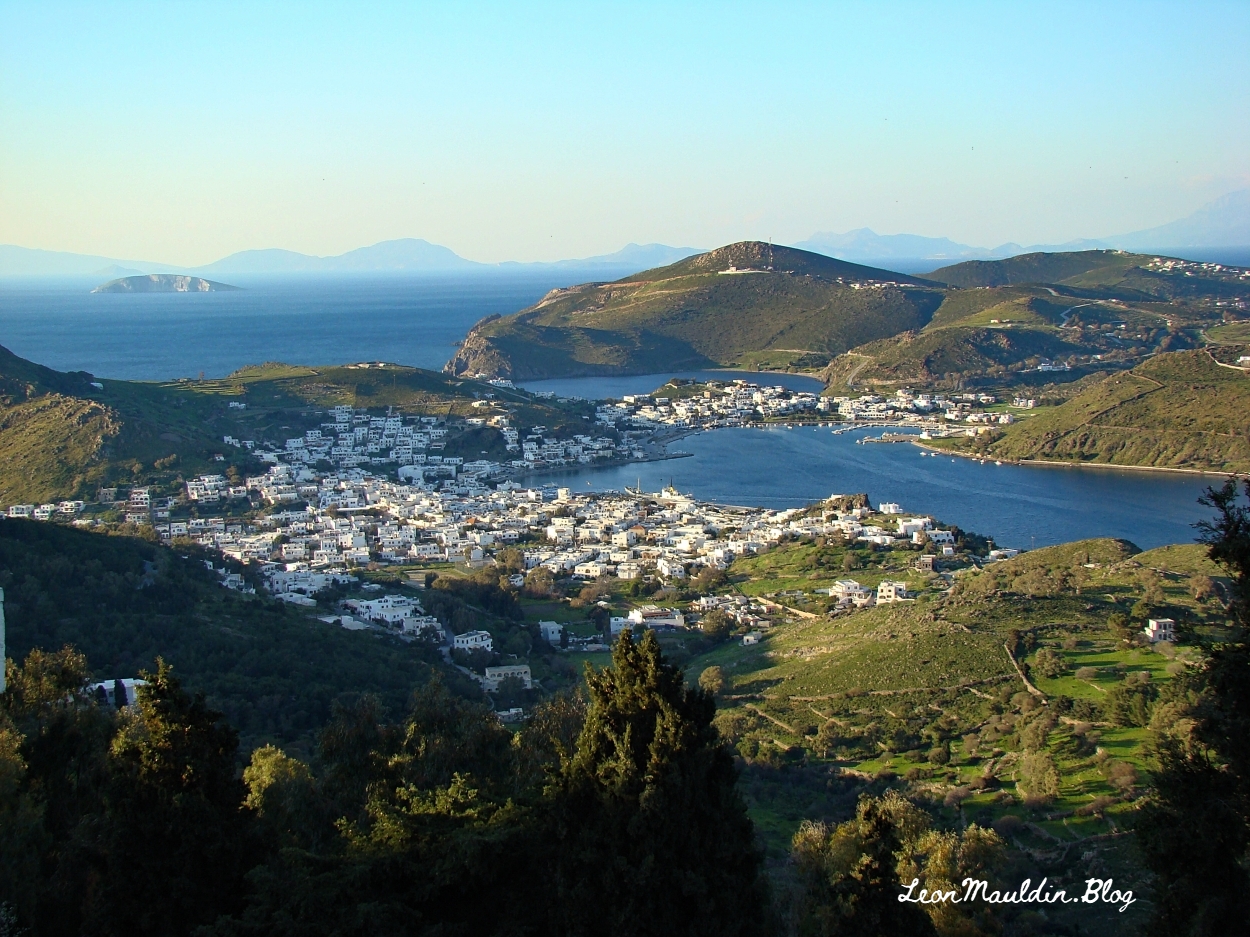

 leonmauldin.blog