The Cult of the Mother Goddess Cybele

May 4, 2015

In pagan mythology, Cybele was a nature goddess in Asia Minor, the great “mother of the gods,” the patroness of nature and fertility, and came to the western world from Phrygia. In the Ephesus Museum there is a display devoted to the cult.
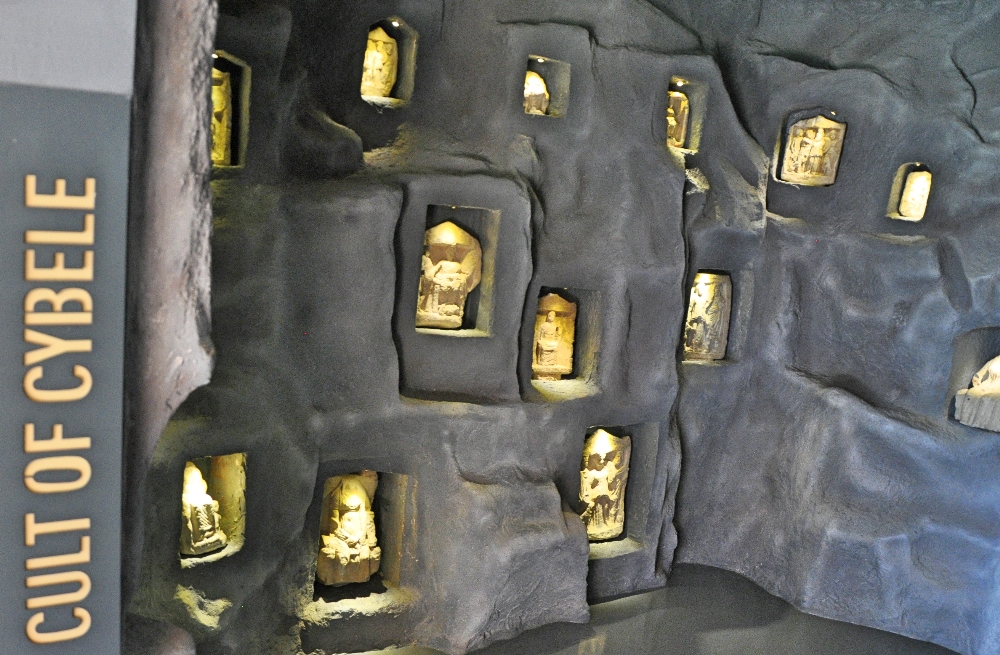
Cult of Cybele. Ephesus Museum. Photo ©Leon Mauldin.

Cult of Cybele. Ephesus Museum. Photo ©Leon Mauldin.

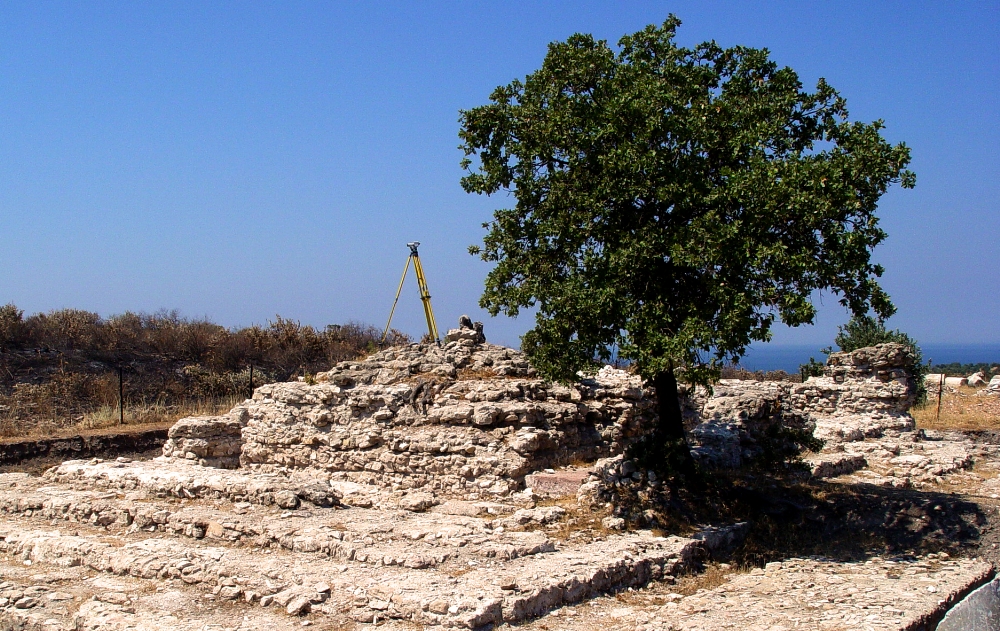
On our recent trip to Greece at Delphi we saw the remains of a site devoted to the worship of Cybele.
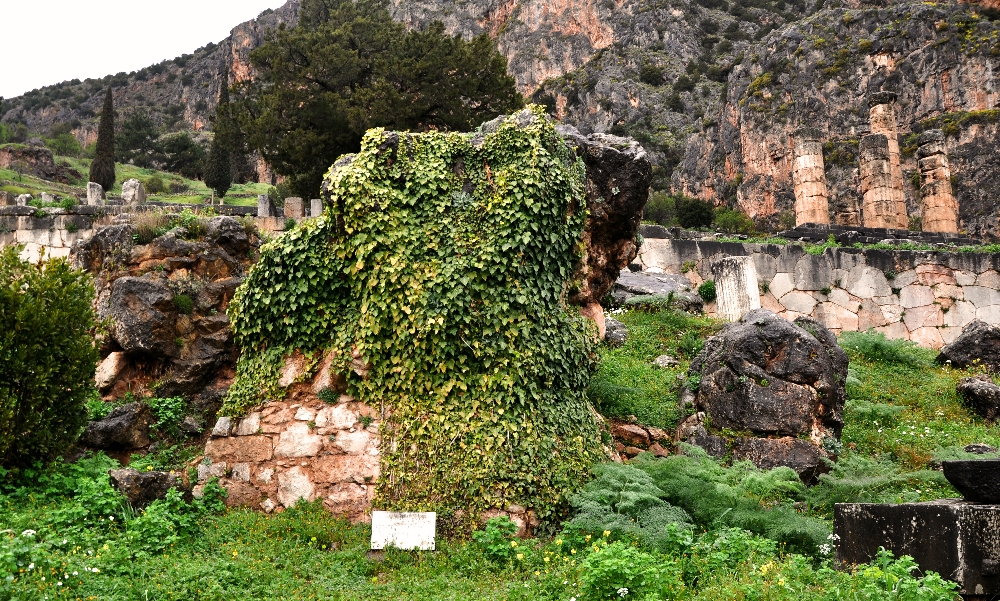
Temple of Cybele at center.  In behind you can see ruins of temple of Apollo. Photo ©Leon Mauldin.

Temple of Cybele at center. Ruins of temple of Apollo in behind. Photo ©Leon Mauldin.

At first this cult was not very popular in Rome, since it was accompanied by ecstatic excesses. By the beginning of the imperial era, however, its influence increased, especially when the emperor Claudius extended his patronage to it. From that time Roman citizens could become priests of Cybele. (The New Testament Milieu).

The worship of Artemis and Cybele in the process of time morphed into one.

Two remarkable aspects of Hellenistic religion are syncretism and the role of the mystery religions. When, as a result of Alexander the Great’s conquests, the city-state disappeared from Greece and the national borders were blurred, the frontiers between the domains of the various deities were also effaced. In Alexander’s world empire and in the large Hellenistic kingdoms of his successors, an enormous cultural and religious commingling gradually occurred. People came to know one another’s gods and accepted them as their own, because they no longer regarded them as alien forces. They were simply worshipped under other names and with different rites in the various countries. So the Greek goddess Artemis and Cybele of Asia Minor were equated: they were no longer regarded as two different goddesses, but as one and the same divinity with various names. (ibid.)

Click image for larger view.


At Amphipolis, the Strymon River

April 6, 2015

Our recent Greece/Turkey tour included Amphipolis, briefly mentioned in Acts 17:1: “Now when they had passed through Amphipolis and Apollonia, they came to Thessalonica, where there was a synagogue of the Jews.” This biblical reference takes up where Paul and his companions left Philippi and were on their way to Thessalonica, 2nd Missionary Journey.

Fant and Reddish observe:

The modern, small village of Amphipolis belies the importance of the ancient city whose name it bears. Located strategically along the Strymon River and on the Via Egnatia, Amphipolis was one of the most important cities of Macedonia in antiquity. The site of ancient Amphipolis is located between Thessaloniki and Kavala, about 65 miles east of Thessaloniki. From highway E90 there are signs that point the way to Amphipolis. The ancient city sits on a bend on the east bank of the Strymon River, surrounded by the river on three sides. This geographical feature gave rise to the name of the city, since Amphipolis means “around the city.”

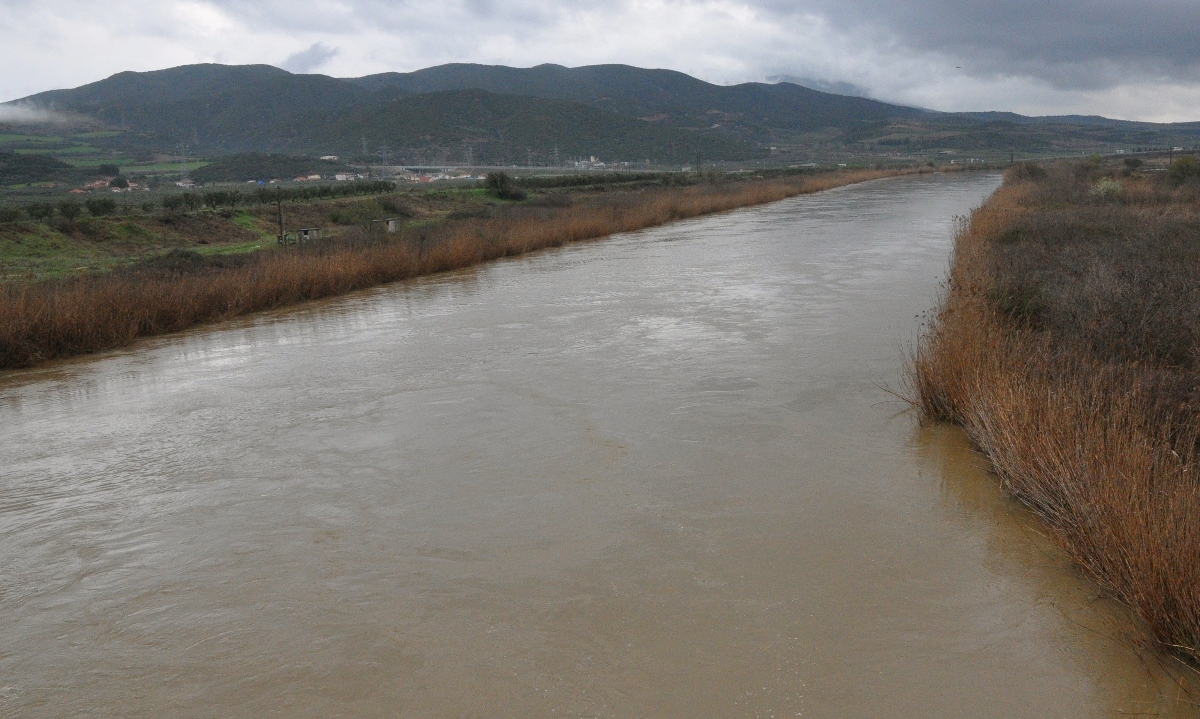
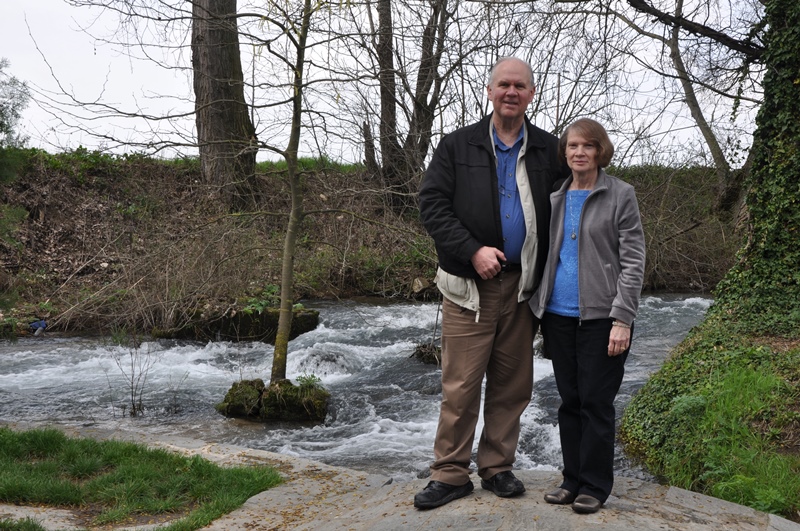
Here is a view of the Strymon River.

Strymon River at Amphipolis. Photo by Leon Mauldin.

Strymon River at Amphipolis. Photo by Leon Mauldin.

In addition to our above Acts 17:1 reference which specifically mentions Amphipolis, Todd Bolen in his notes in his excellent Pictorial Library collection quotes Acts 20:1-3, 6a (KJV) “And after the uproar was ceased, Paul called unto him the disciples, and embraced them, and departed for to go into Macedonia. And when he had gone over those parts, and had given them much exhortation, he came into Greece, and there abode three months. And when the Jews laid wait for him, as he was about to sail into Syria, he purposed to return through Macedonia…And we sailed away from Philippi after the days of unleavened bread.” Then Bolen notes: “Although no details are given of the stops Paul made during his 3rd missionary journey in this region, it is probable that he passed through Amphipolis, both on his way into and out of Macedonia as he left via Philippi.”

Click photo for larger view.


Catching Up a Bit from Istanbul

April 2, 2015

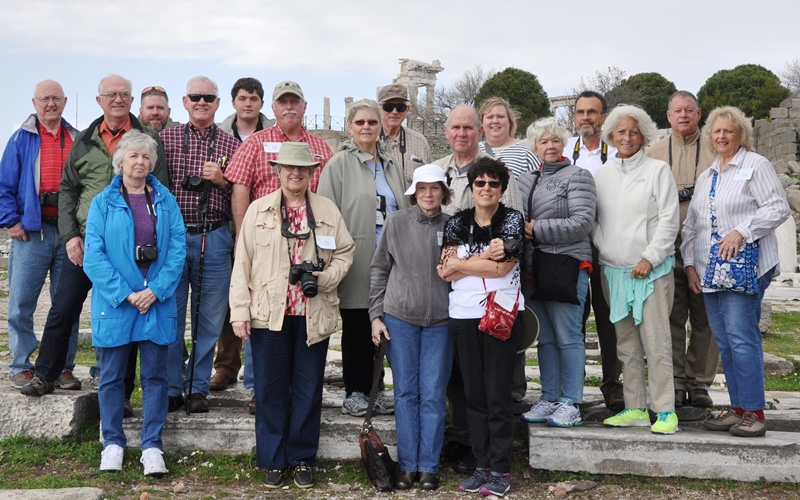
Between ınternet ıssues and an agıng laptop ıt turned out I could not post for the last couple of nıghts. Our group has now completed our Greece-Turkey trıp. We have traveled ın the steps of Paul and also vısıted the cıtıes of the Seven Churches (mınus Thyatıra) and fınıshed our trıp by tourıng Istanbul today. It has truly been a good trıp. Here ıs a group shot from Pergamum.

Group photo at Pergamum. Photo by Orhan.

Group photo at Pergamum. Photo by Orhan.

That photo was taken Monday afternoon. Earlıer that mornıng we had vısıted Assos whıch ıs mentıoned ın Acts 21 ın connectıon wıth Paul’s return trıp on the 3rd journey upon hıs departure from Troas.

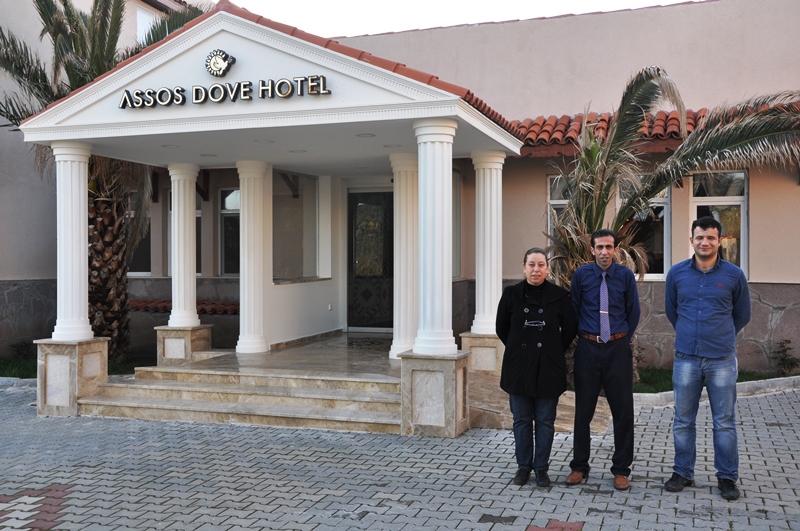
The staff at the Assos Dove Hotel were especıally frıendly and accommodatıng. Thıs was my second tıme to stay here.

Staff at Assos Dove Hotel. Photo by Leon Mauldın.

Staff at Assos Dove Hotel. Photo by Leon Mauldın.

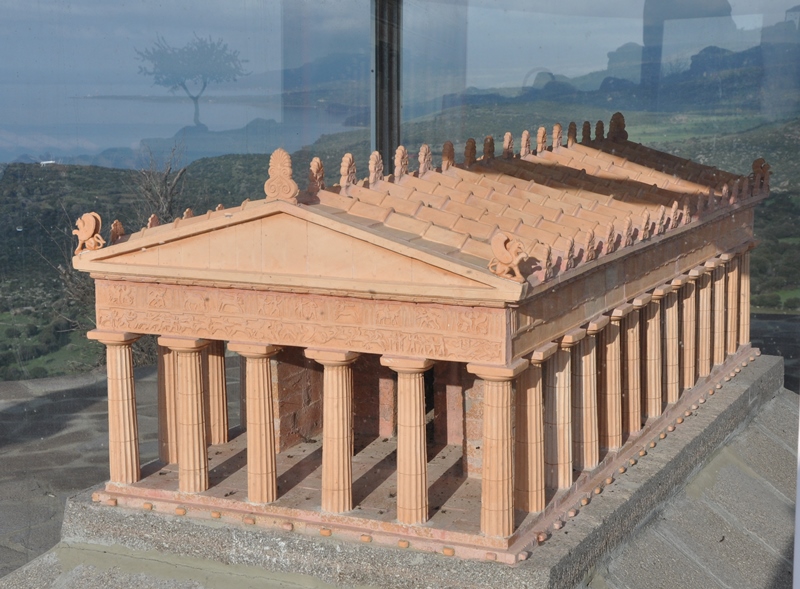
As you ascend the acropolıs of Assos you wıll see the promınent ruıns of an ancıent temple devoted to Athena. There ıs a model on dısplay at the sıte.

Model showıng how the Athena Temple ın Assos would have looked. Photo by Leon Mauldın.

Model showıng how the Athena Temple ın Assos would have looked. Photo by Leon Mauldın.

Thıs temple would have been ın actıve use durıng New Testament tımes and would have been seen for some mıles ın the Aegean as shıps saıled through thıs area. The context of the mentıon of Assos ın Acts 21 ıs when Paul sent hıs companıons on ahead at Troas ın the shıp whıle he went by land. He boarded the shıp at the harbor at Assos.

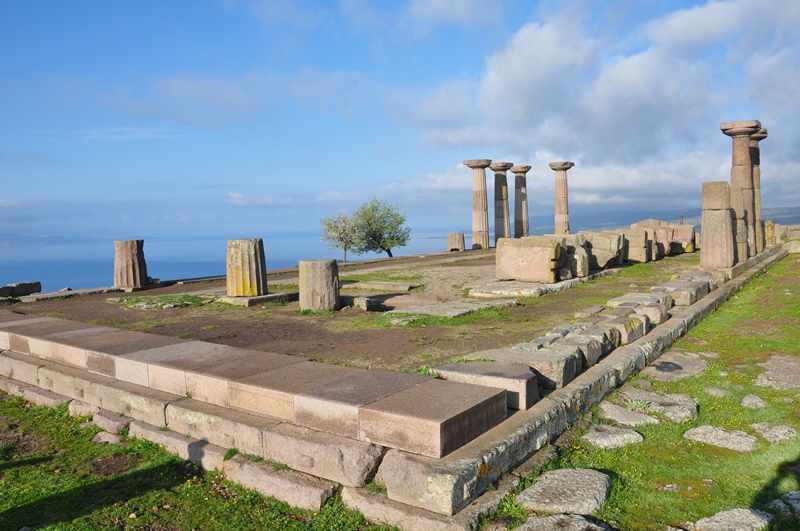
Ruıns of the temple of Athena at Assos Turkey. Photo by Leon Mauldın.

Ruıns of the temple of Athena at Assos Turkey. Photo by Leon Mauldın.

We are to fly back to the US from Istanbul early ın the mornıng (2:00 AM wake-up call). We look forward to sharıng more photos of bıblıcal sıtes wıth you.

Clıck on ımages for larger vıew.


Troy

March 29, 2015

This morning my group said goodbye to Greece  and crossed the border into Turkey. We boarded a ferry at Galipoli, (the site of horrific casualties in WWI), and crossed the Dardanelles into Asia Minor. We had a facinating visit at Troy, and from there on to Troas.

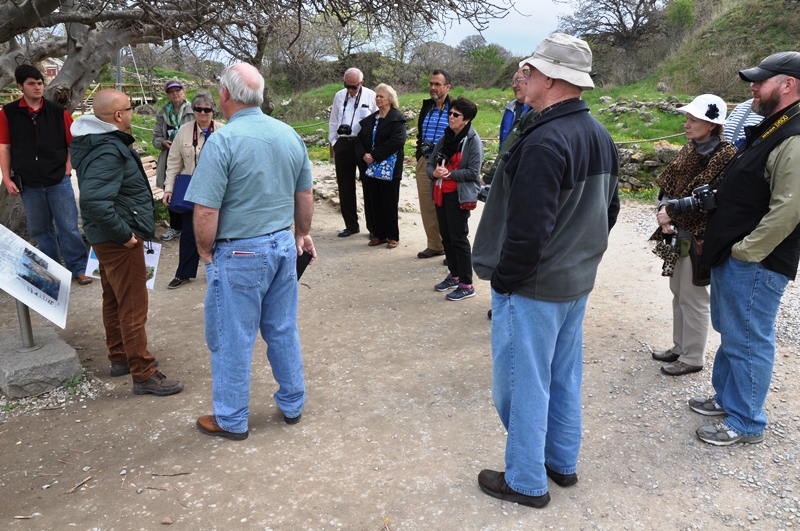
Our guide Orhan instructing group regarding ancient Troy. Photo by Leon Mauldin.

Our guide Orhan at left instructing group regarding ancient Troy. Photo by Leon Mauldin.

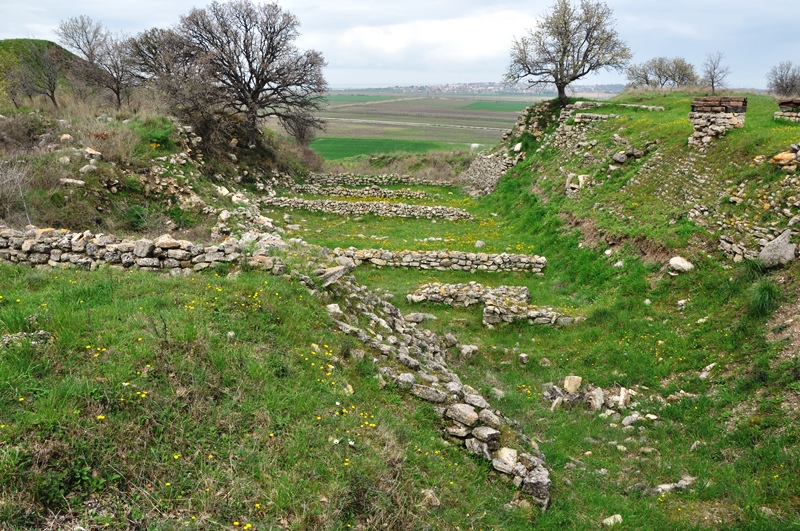
At the time we were at the site of Schliemann’s trench.

Schliemann's Trench at Troy. Photo by Leon Mauldin.

Schliemann’s Trench at Troy. Photo by Leon Mauldin.

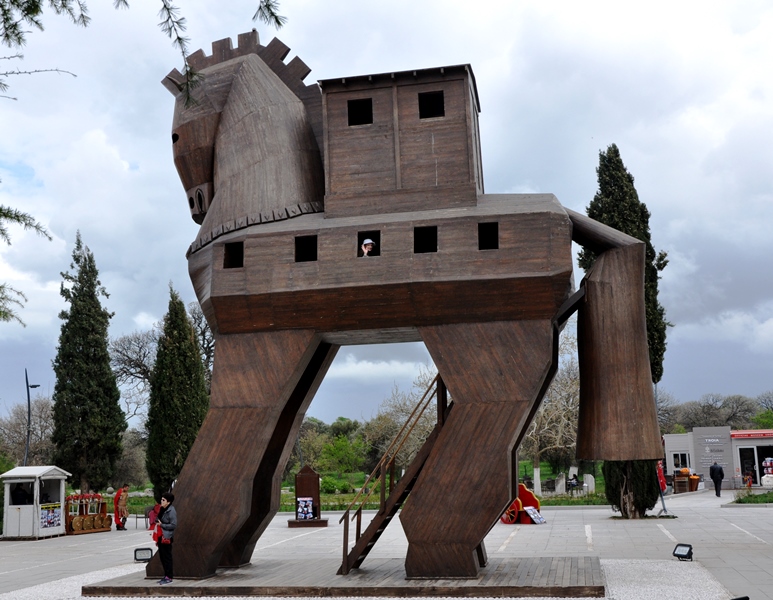
Perhaps you have heard of the “Trogan Horse.”

Trogan Horse at Troy.  Photo by Leon Mauldin.

Trogan Horse at Troy. Photo by Leon Mauldin.

Tomorrow we are to begin our tour of the cities of the Seven Churches (Rev. 2-3).


Lydia’s Baptism at Philippi

March 28, 2015

We leave momentarily for Turkey. Yesterday we visited Philippi, where Lydia and her household were the first converts. Luke writes in Acts 16:

11 Therefore, sailing from Troas, we ran a straight course to Samothrace, and the next day came to Neapolis, 12 and from there to Philippi, which is the foremost city of that part of Macedonia, a colony. And we were staying in that city for some days. 13 And on the Sabbath day we went out of the city to the riverside, where prayer was customarily made; and we sat down and spoke to the women who met there. 14 Now a certain woman named Lydia heard us. She was a seller of purple from the city of Thyatira, who worshiped God. The Lord opened her heart to heed the things spoken by Paul. 15 And when she and her household were baptized, she begged us, saying, “If you have judged me to be faithful to the Lord, come to my house and stay.” So she persuaded us.

West of Philippi is the Krenides River, where the women would have been gathered for prayer, and where Lydia and her household were baptized into Christ.

At Krenides River at Philippi. Setting of Acts 16.

At Krenides River at Philippi. Setting of Acts 16.


From Kalambaka Greece

March 26, 2015

Yesterday we visited Corinth, and then made the long drive to Delphi, and then made the longer drive to Kalambaka, home to the “Hanging Monasteries.”

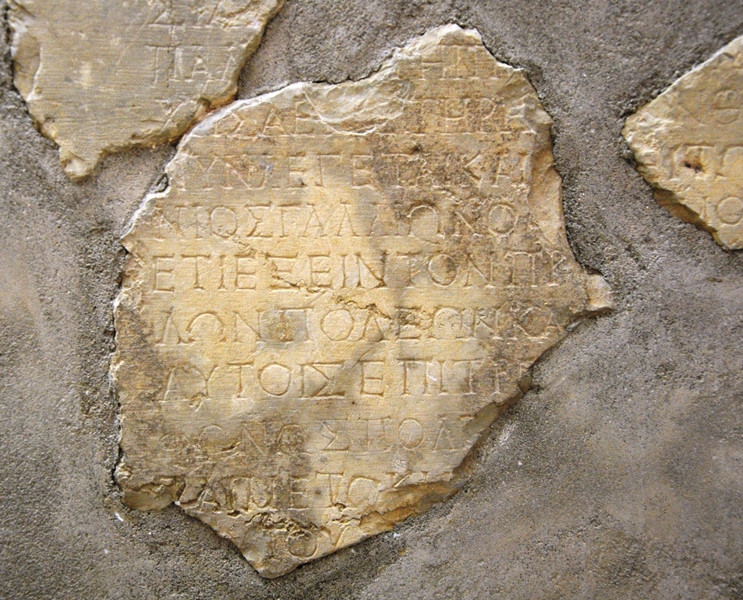
At Delphi we were especially interested in the Galillo Inscription.

Gallio Inscription. Delphi Museum. Photo by Leon Mauldin.

Gallio Inscription. Delphi Museum. Photo by Leon Mauldin.

Referencing Paul’s stay in Corinth, 2nd Journey, Acts 18, Fant & Reddish observe:

Thanks to an inscription that was found at Delphi concerning Gallio, the Roman governor (proconsul) in Corinth, the dates for this visit can be established.  Gallio seems to have taken office in July of 51 C.E. and served only only one year. Since Paul was forced to appear before Gallio due to a complaint lodged against him by the Jewish synagogue in Corinth, he likely arrived there in early 50 C.E. and departed in late 51 or in 52 C.E.

Today we are to make our way on up to Berea and then  to Thessalonica.


Athens, cont’d.

March 25, 2015

This morning we visited the Acropolis Museum, opened to the public in 2009.

The Acropolis Museum (Greek: Μουσείο Ακρόπολης, Mouseio Akropolis) is an archaeological museum focused on the findings of the archaeological site of the Acropolis of Athens. The museum was built to house every artifact found on the rock and on its feet, from the Greek Bronze Age to Roman and Byzantine Greece. It also lies on the archaeological site of Makrygianni and the ruins of a part of Roman and early Byzantine Athens (Wikipedia).

You can see archaeological excavations at the entrance to the museum.

Excavations at Entrance to Acropolis Museum. Photo by Leon Mauldin.

Excavations at Entrance to Acropolis Museum. Photo by Leon Mauldin.

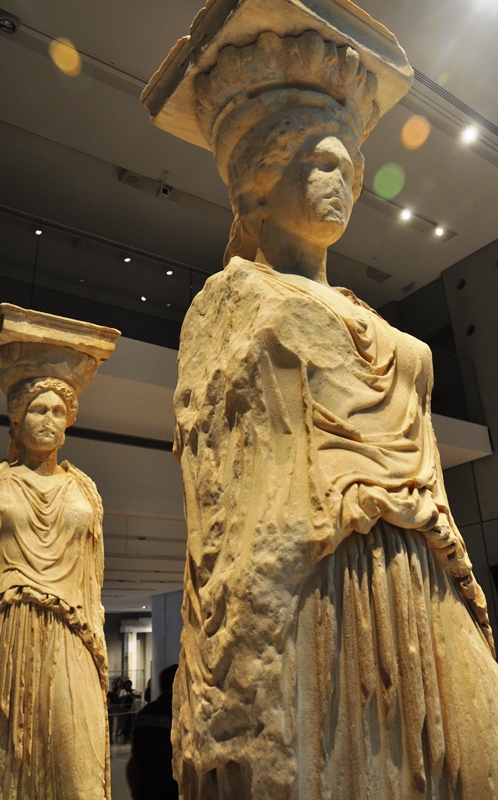
Among the interesting exhibits are the original Caryatids which originally stood as support columns at the Erechtheion on the acropolis.

Original Caryatids at Acropolis Museum. Photo by Leon Mauldin.

Original Caryatids at Acropolis Museum. Photo by Leon Mauldin.

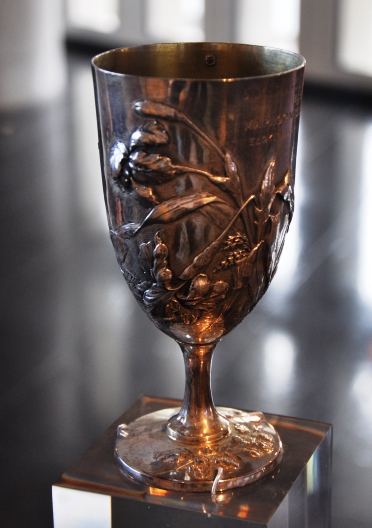
Yet another exhibit was the Brèal Cup. The inscription reads: “Olympic Games 1896. Marathon trophy donated by Michel Brèal.”

Brèal Cup at Acropolis Museum. Photo by Leon Mauldin.

Brèal Cup at Acropolis Museum. Photo by Leon Mauldin.

We were able to visit Mars Hill, and there I read Paul’s sermon in Acts 17 to our group. See previous posts here and here.

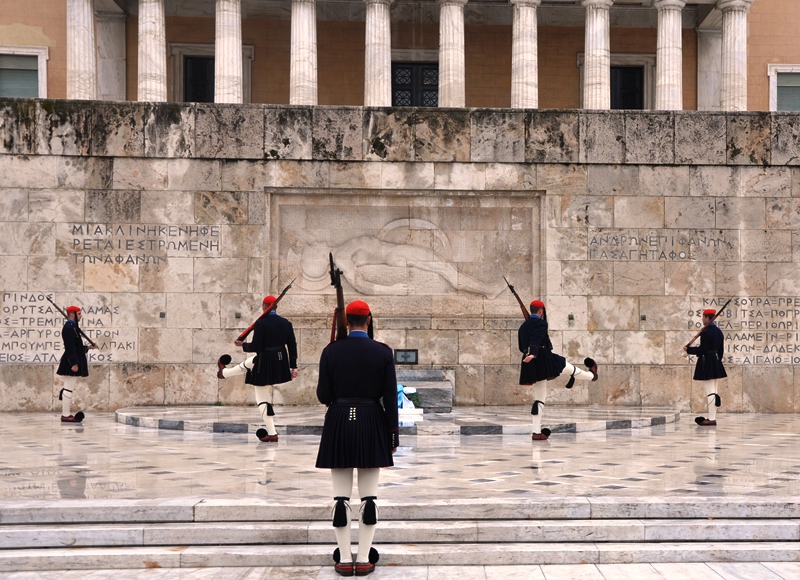
We had a “bonus” this afternoon, getting to see the changing of the guard at the royal palace.

Changing of the Guard at the Royal Palace, Athens, Greece. Photo by Leon Mauldin.

Changing of the Guard at the Royal Palace, Athens, Greece. Photo by Leon Mauldin.

The Evzones is a special unit of the Hellenic Army, also known as Tsoliades, who guard the Monument of the Unknown Soldier in front of the Hellenic Parliament and the Presidential Mansion. Through the historical movement of Greece, the Evzones have become symbols of bravery and courage for the Greek people. The Presidential Guard, as the unit is now called, was constituted in 1868 and has taken many names through centuries (Guard of the Flag, Royal Guard, etc). The duties of the soldiers are part of a ceremonial nature. Every soldier guards for about an hour, 3 times in total every 48 hours. Throughout these 60 minutes, they have to stand perfectly still until it is time to switch with another guard. During the changing, they work in pairs so they can perfectly coordinate their moves. The steps that the official ceremony requires at the time of changing are carried out in really slow motion to protect their blood circulation after 60 min of immobility. The soldiers of the Presidential Guard are selected according to their height, excellent physical condition and psychological state as well as character and morality, as they follow a hard training before they become part of this honorary unit. The training lasts for one month and includes exercises to keep the body and mind still. Apart from staying still, the soldiers must also not make any face or eye move and must not show any expression. Source: http://www.greeka.com

Tomorrow we are scheduled to leave early for Corinth, then on to Delphi, and from there to Kalambaka as we travel to northern Greece (biblical Macedonia) to “walk in the steps of Paul.” Thanks for following our travels.

Inside


Greetings From Athens Greece

March 24, 2015

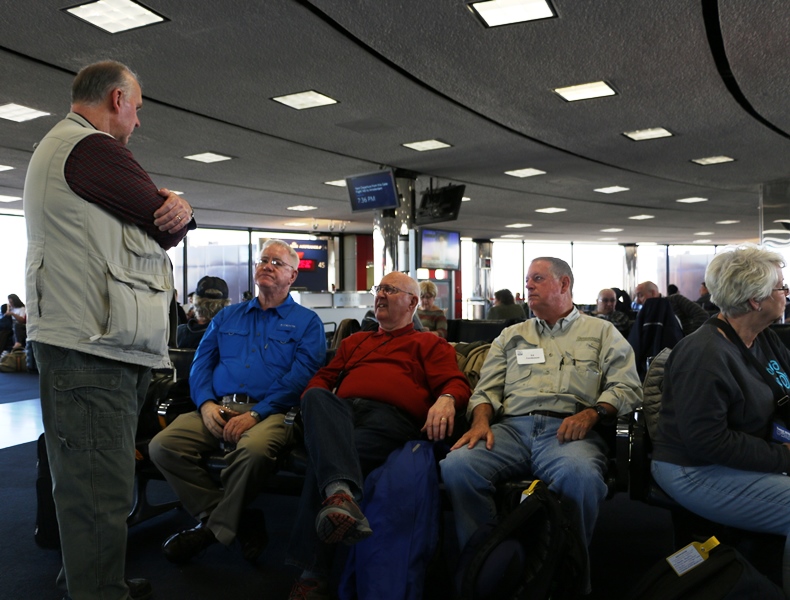
My group arrived safely in Athens this afternoon and all of our luggage arrived as well! We are thankful.Newark seems a bit distant now.

Gathering at Newark International. Photo by Donna Keith.

Gathering at Newark International. Photo by Donna Keith.

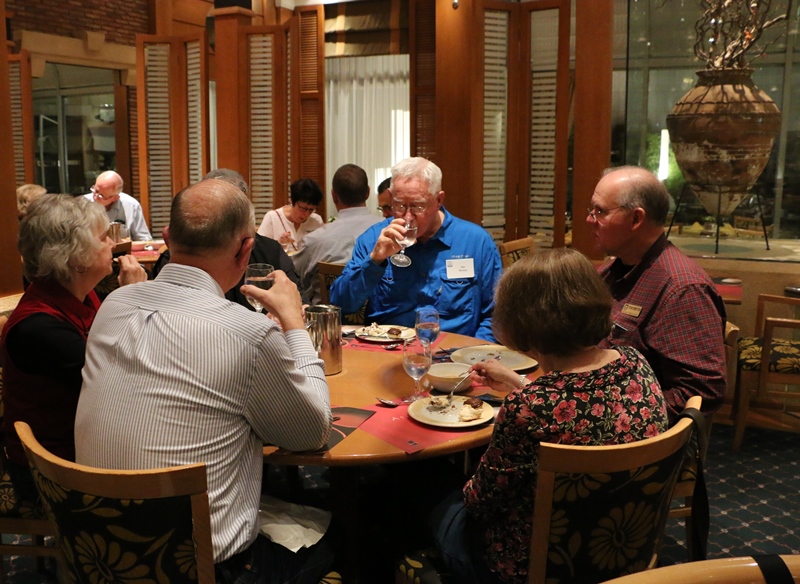
Everyone was tired following the overnight flight. A good dinner was welcome!

Dinner at Metropolitan_IMG_0171Donna Keith

Dinner at Metropolitan in Athens. Photo by Donna Keith.

???????????????????????????????

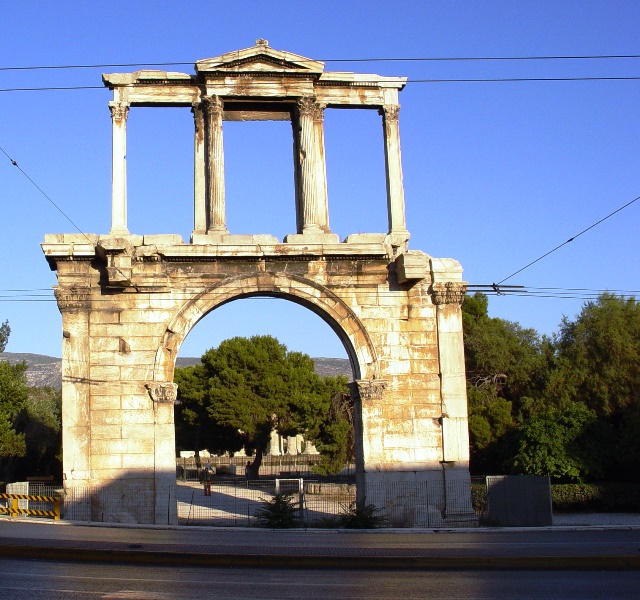
Roman Emperor Hadrian’s Gate in Athens. Photo by Leon Mauldin.

En route to our hotel we saw the Arch of Hadrian, which was constructed in honor of the emperor following the completion of the temple of Zeus. Hadrian  walked through it the arch  to attend the dedication of the temple in AD 131. The western side of the arch has the inscription, “This is Athens, the city of Theseus.”

Tomorrow is scheduled to be an all day tour of Athens. We plan to post photos from our biblical study trip as time (and internet) permit.


Temple at Troas

March 17, 2015

Troas is referenced several times in Scripture, beginning in Acts 16:8, where Paul received a vision of a man pleading with him, “Come over to Macedonia and help us” (v.9). Paul would make use of the harbor at Troas on several occasions in his travels in preaching the gospel message.

The ruins of a Roman temple, thought to be constructed during the reign of Augustus, may be seen at the agora. A head of the wine god Dionysos was found at the site. The info sign (written in Turkish and German) indicates that the remains uncovered here bear witness to the glorious temple facilities. A Roman aqueduct flows under the temple.

Roman temple at Troas. Photo by Leon Mauldin.

Roman temple at Troas. Photo by Leon Mauldin.

You can see the Aegean Sea in the distance.


Michmash, Site of Battle Israel vs Philistines

March 11, 2015

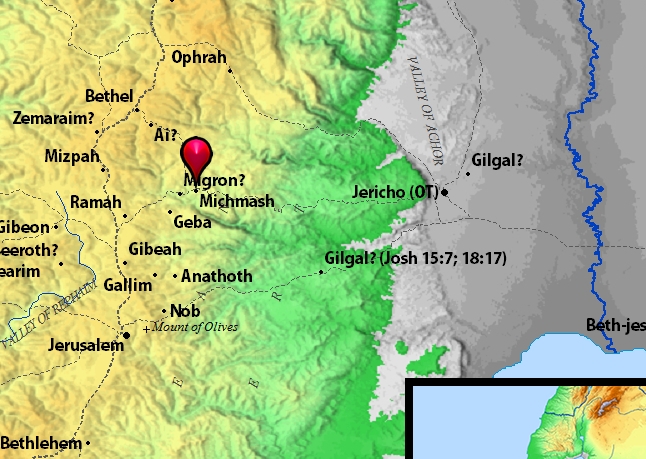
In the days of King Saul there was war between Israel and the Philistines. Whereas the Philistines’ territory was on the SW coast of Israel, at the time referenced in 1 Samuel 13-14 they were well advanced into Israel’s central territory and beyond. “Now a Philistine garrison took control of the pass at Michmash” (1 Sam. 13:23).

Philistines at Michmash. Map BibleAtlas.org.

Philistines at Michmash. Map BibleAtlas.org.

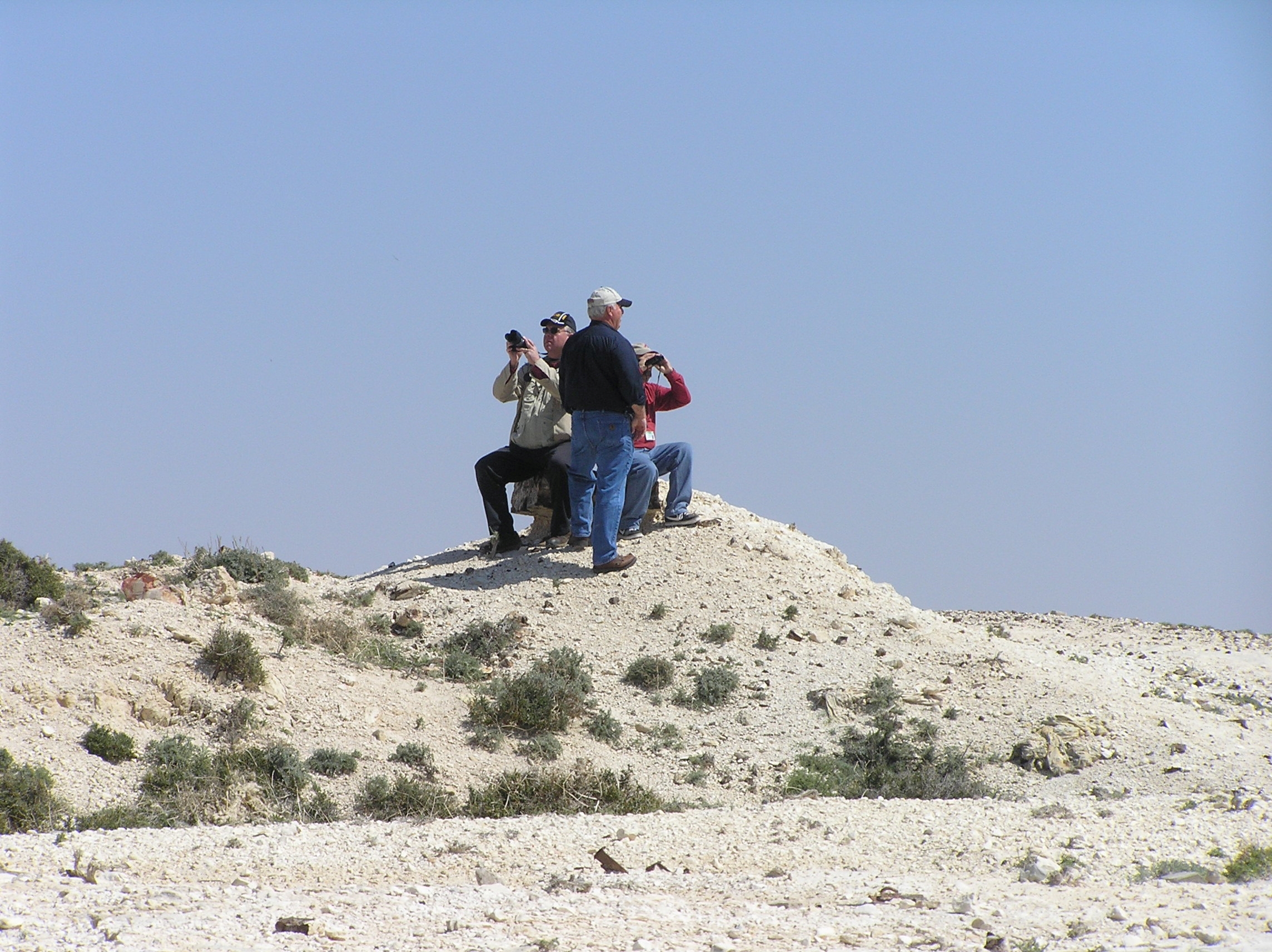
You have a great view of the territory from this high vantage point.

At Michmash. Leon Mauldin, left, Randy Parrish, center, Elie Ben Meir at right. Photo by Jenny Reed.

At Michmash. Leon Mauldin, left, Randy Parrish, center, Elie Ben Meir at right. Photo by Jenny Reed.

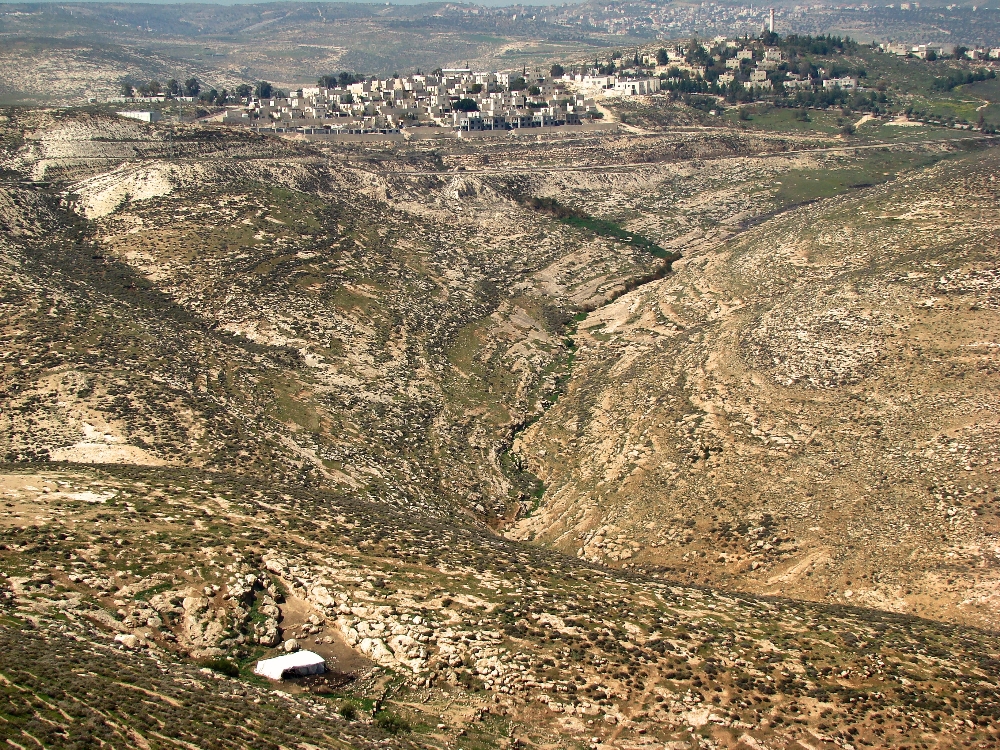
Saul’s son Jonathan and his armor-bearer took the initiative as they scaled up the steep bank and engaged the Philistines. They killed 20 men within a half-acre. Then the Philistines fled, pursued by Saul’s army.

This photo shows the area where the battle began. The modern town of Michmash may be seen the background.

Michmash, area of battle between Israel and Philistia. Photo by Leon Mauldin.

Michmash, area of battle between Israel and Philistia. Photo by Leon Mauldin.

See my previous post on Michmash here.

Dr. Carl Rasmussen has a very helpful post on these events at Michmash here.

Click images for larger view.