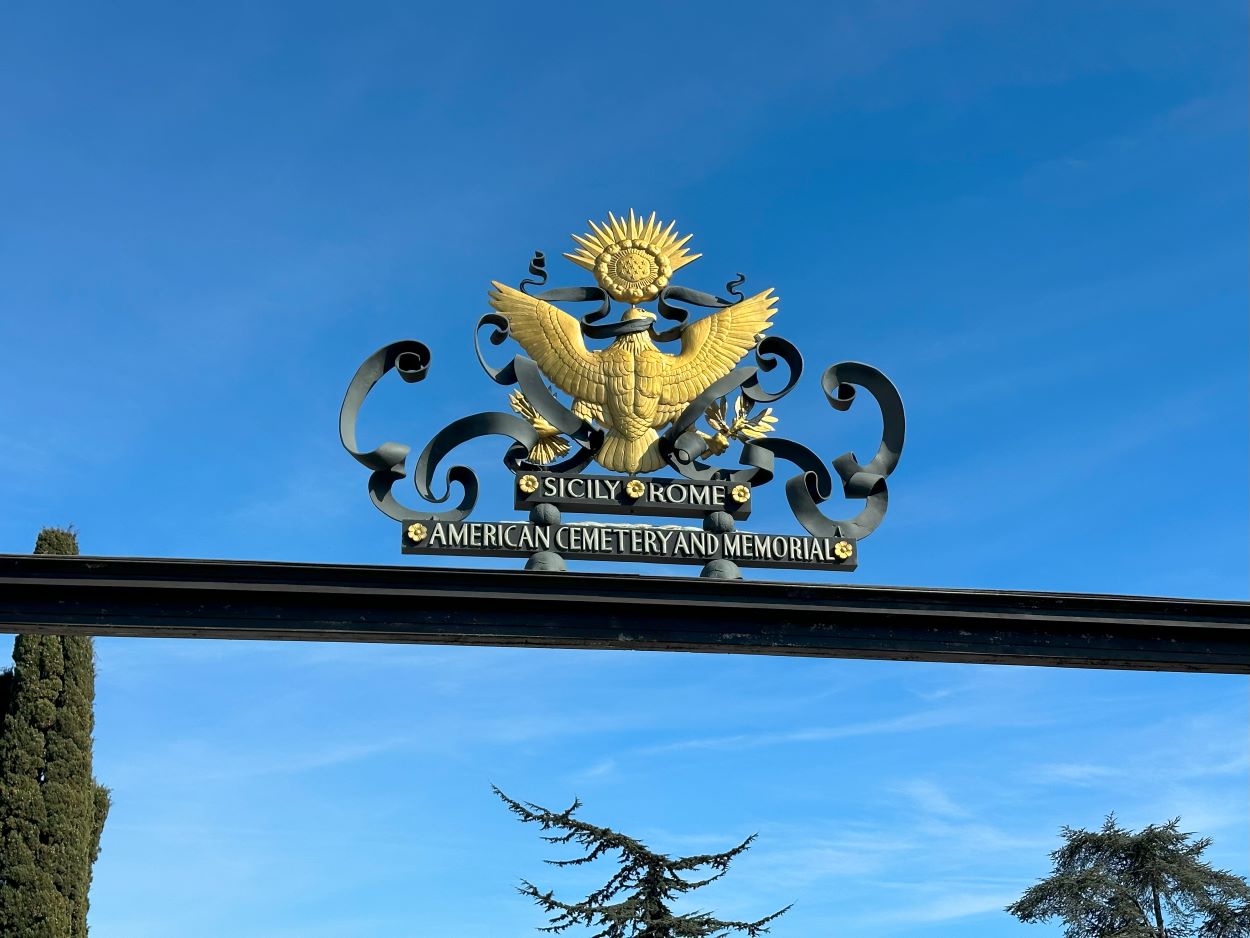
During our recent tour of Sicily and Southern Italy we were able to tour the area of the ancient port of Ostia, at the mouth of the Tiber River, and while in that area visit the American Cemetery. Though I had intended to post this earlier, as today is Independence Day I thought it would be appropriate to share at this time.
The cemetery is located about 38 miles south of Rome.
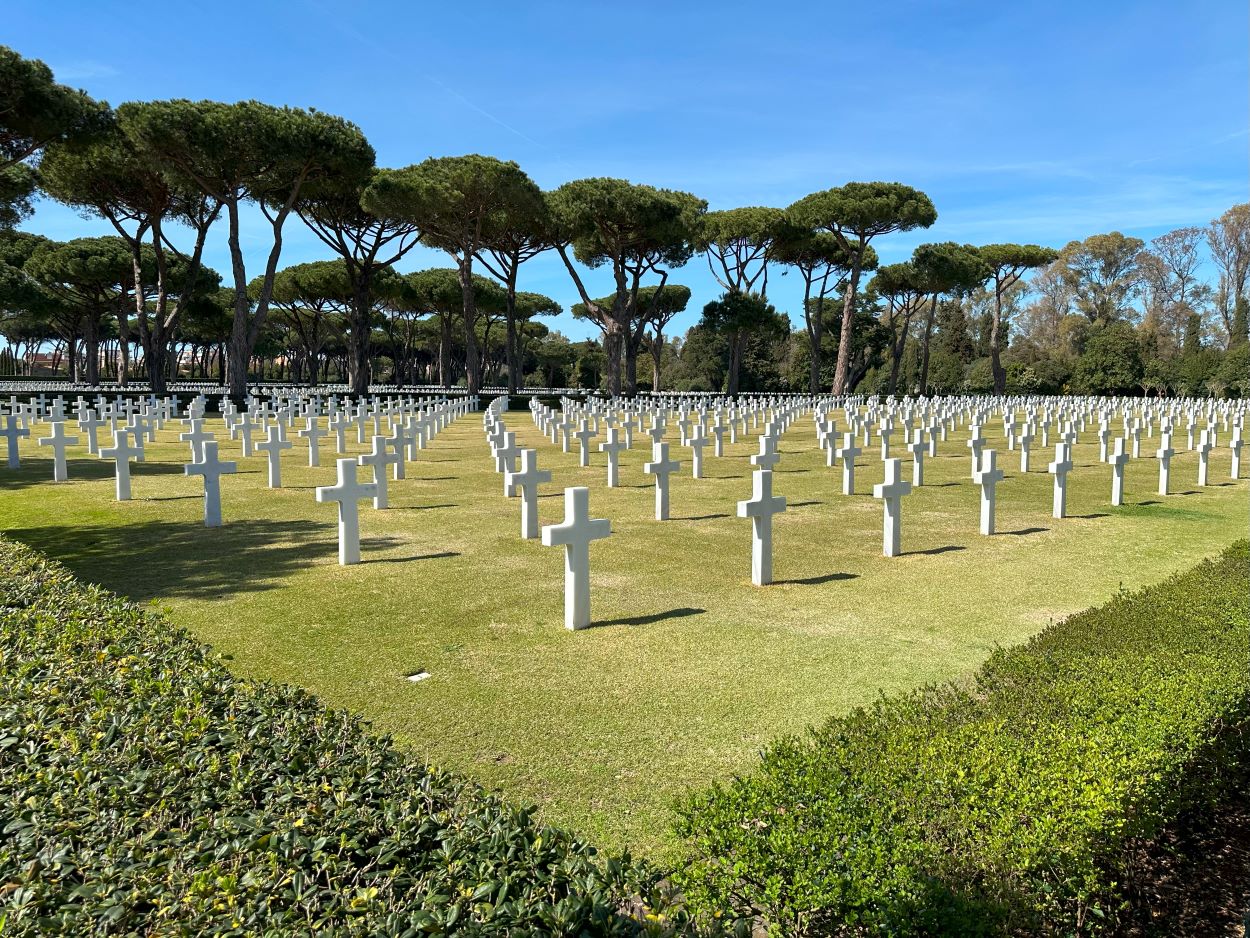
The World War II Sicily-Rome American Cemetery and Memorial site in Italy covers 77 acres, rising in a gentle slope from a broad pool with an island and cenotaph flanked by groups of Italian cypress trees. Beyond the pool is the immense field of headstones of 7,845 of American military war dead, arranged in gentle arcs on broad green lawns beneath rows of Roman pines. The majority of these individuals died in the liberation of Sicily (July 10 to August 17, 1943); in the landings in the Salerno Area (September 9, 1943) and the heavy fighting northward; in the landings at Anzio Beach and expansion of the beachhead (January 22, 1944 to May 1944); and in air and naval support in the regions. Source: https://www.abmc.gov/Sicily-Rome
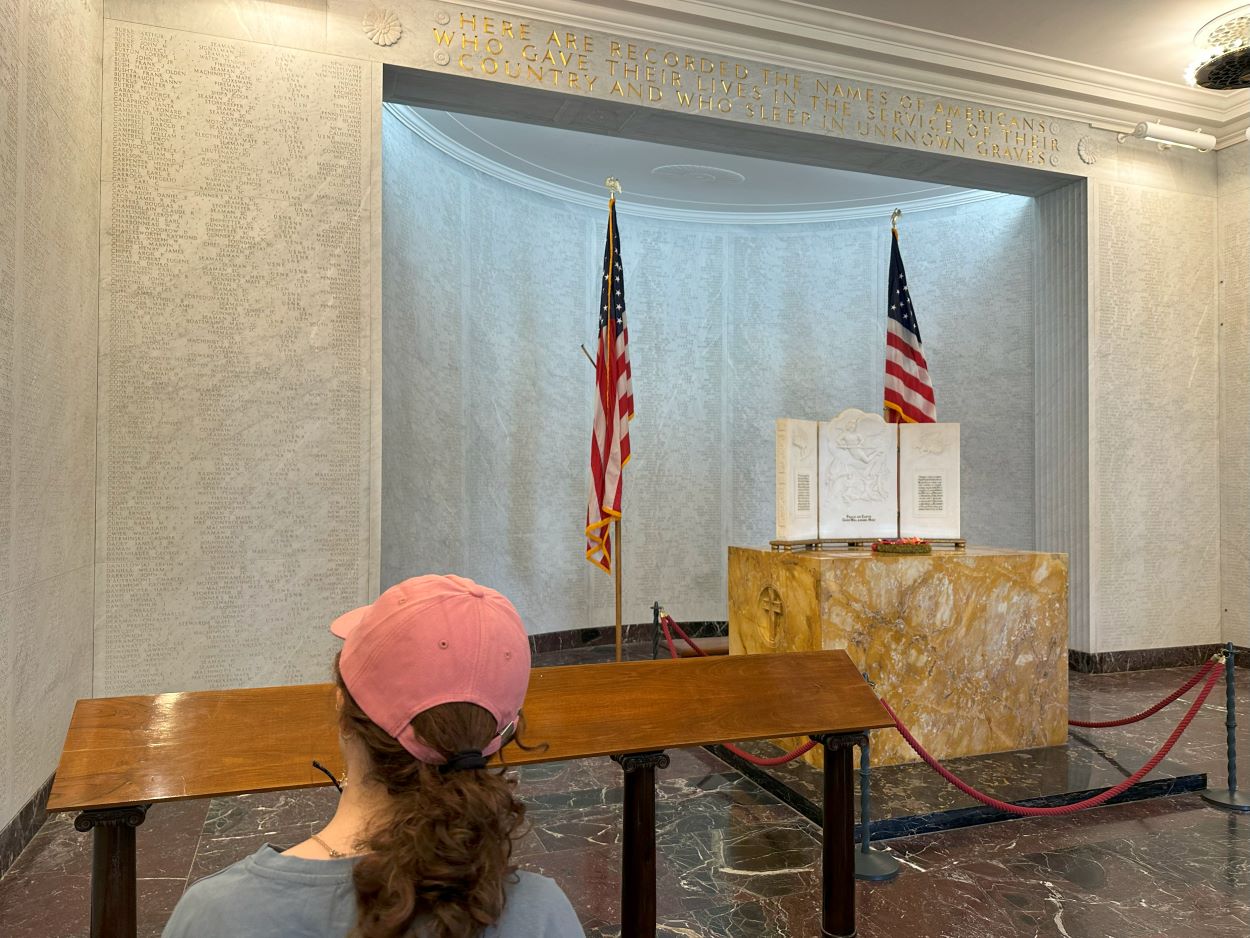
A wide central mall leads to the memorial, rich in works of art and architecture, expressing America’s remembrance of the dead. It consists of a chapel to the south, a peristyle, and a map room to the north. On the white marble walls of the chapel are engraved the names of 3,095 of the missing. Rosettes mark the names of those since recovered and identified. Source: https://www.abmc.gov/Sicily-Rome
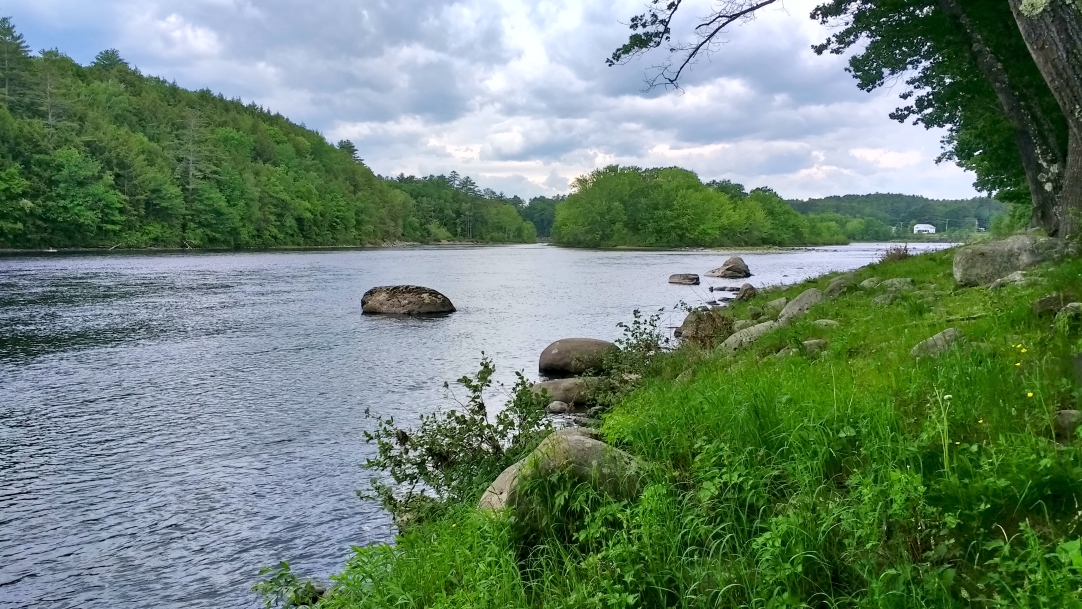
The sub-title for Leon’s Message Board is “Bible History and Geography…and More.” Today’s post from Maine is in the “and more” category. Before Benedict Arnold became know as the infamous traitor to his country, he led a force of 1,100 Continental Army troops on an expedition from Cambridge, Massachusetts to the gates of Quebec City. Part of that journey took him and his men up the Kennebec River coming to what is now Skowhegan, October 4, 1775. We had opportunity today while in nearby Waterville to visit this area.
Looking down the Kennebec. Arnold and his men came upstream here, south of Skowhegan. Photo by Leon Mauldin.
Here is a view looking up the Kennebec toward Skowhegan.
Looking up the Kennebec to Skowhegan. Photo by Leon Mauldin.
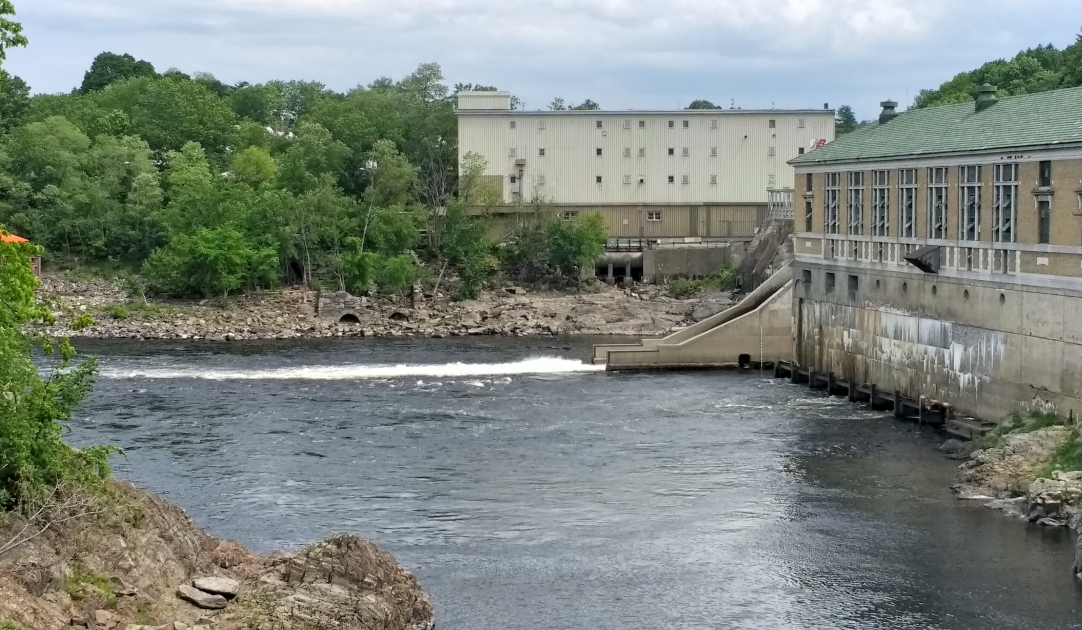
When Arnold and his men arrived at the falls at Skowhegan, portage was necessary. This is the location; now there is a dam.
At the Falls at Skowhegan where Arnold and his men took portage. Photo by Leon Mauldin.
An interesting diary entry from a solder, Captain Thayer wrote in his journal while passing through Skowhegan: at this time:
The carrying place is across an island…The people call this place Canaan; a Canaan indeed! the land is good, the timber large and of various kinds, such as pine, oak, hemlock and rock maple. Last night our clothes being wet were frozen a pane of glass thick, which proved very disagreeable, being obliged to lie in them…The people are courteous and breathe nothing but liberty.
We’re enjoying our visit in Maine, as our speaking appointments continue this week.


 Posted by Leon Mauldin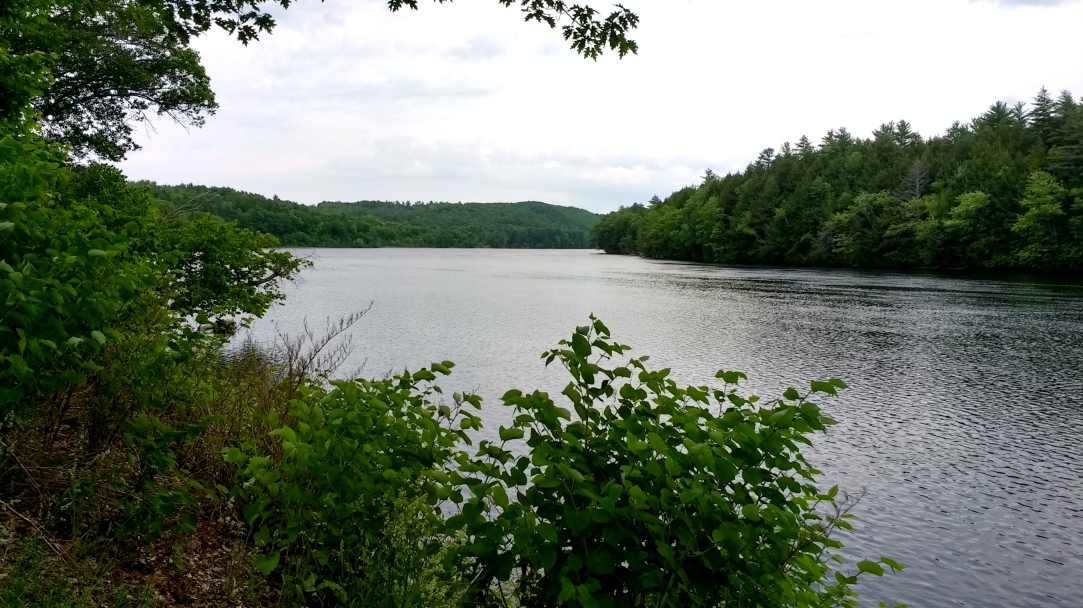

 leonmauldin.blog